Category: Recording

  • For Thomas Alvin “Block” Atkinson (Originally posted on April 8, 2017)

    For Thomas Alvin “Block” Atkinson (Originally posted on April 8, 2017)

      Making friends with someone is a special thing to happen in our lives. But to have a friend, a true friend, for many years in our lives is a pure blessing and something to be cherished by us all. I have had some good friends in my lifetime, most of us have, but there are always one or two people who stand out in our lives as true friends. For me, it was my friend Thomas Alvin “Block” Atkinson. You see, my friend Thomas passed away on April 2, 2017, from bladder cancer. He was as special a friend to me as I can ever remember. I just wanted to impart a few memories and feelings about him in this blog post.

      I met Thomas back in 1982, in Apple Valley, California. I had returned from my service tour in Japan in late 1979 to be stationed in southern California, and I had the music deep within me. I had started my own band in 1981 that did original and cover modern jazz music; it was called Fat Sound Incorporated or FSI. The band practiced at my little apartment that I had gotten off base from where I was stationed, and I thought that we had developed our own sound. Once that happened, I had the confidence to book the band around the southern California area. We developed a bit of a small but steady reputation in the area, and the word got out among the music lovers in that area. From what I remember, the guitar player in the band knew Thomas before I did; he had told me that he knew a good percussion player who lived in the same area that we were living.

      The band was expanding; we had started out as a three-piece band but had added a keyboard player and a saxophone player as well. By this time, we had begun to rehearse at the home of the saxophone player, in the art studio that was detached from the main house. It was there that I met Thomas, he had come over to our rehearsal and brought along his percussion gear with him. He set up and began to play music with us, and he added something to the band’s sound that I liked. Our early conversations were about that music we loved and about the music artists that we admired. There were a lot of laughs between us as Thomas had a sharp sense of humor, but he was also a very intelligent person to converse with. He understood a great deal about the world that we live in as well as its history. Often, I would be quiet and let him speak about what he knew, and what he was learning about.

      The thing about Thomas was that he never stopped learning; he was hungry for knowledge and sought out the answers to the many situations in life that so many of us find ourselves in. He knew about food like nobody that I have met, and once we got to know each better, he would invite me over to his home and cook some of the best meals that I have had. He knew through our conversations that I also had an affinity for good food, and he was fascinated with all of the countries that I had traveled to and sampled the local cuisine. From speaking with him, I knew that he would have loved to have traveled to the countries that I had visited to also sample the local cuisine.

      The thing that we did the most though was to play music together. Once he had joined FSI, he truly loved the shows that we did, and I booked the band in as many venues as I could. He enjoyed the regular shows that we played at the local air base that I was stationed at; I had signed a contract with the manager of the air base NCO club to play weekly for a year at a time. It was a great time to play in those days; the club patrons appreciated our band coming in and playing music from our hearts for them. Thomas also loved the fact that I had booked shows at the famous Lighthouse Café in Hermosa Beach, California. He spoke glowingly for years afterward about those shows; he knew that the very best jazz artists had played there over the years and he was proud to say that he too had made some great music there.

      The band stopped going by the name of FSI in the mid 1980’s, so Thomas came up with the name of the GUSS band, the name was a play on the some of the comedy work of a famous comedian at the time. We began to play cover songs for music, and Thomas took on some of the lead vocal duties for the band. He was a joy to play music with, and he always kept the audience in mind with his playful banter with them, during and in between songs. He also would book the band from time to time, and even though I had moved away to the Los Angeles area I would return to the High Desert region to do shows with Thomas and the GUSS band.

      Thomas was smart enough to realize that the odds of becoming a financial success as a band were very small, so he left the band to go to college and earn his teaching credentials. Once he had achieved his degrees, he began teaching in the Victor Valley area, something that he did until he retired only a couple of years ago. Once I had moved away from the Victor Valley area to Los Angeles, we kept in touch by telephone and I would occasionally make the drive up to visit with him.

      When I moved away to Europe, we were out of contact with each other for a few years. But like the special friend that he was to me, once I had returned to the states to live, I called Thomas up and he was delighted to know that I had come back. While I settled in Las Vegas, Nevada, it was only a 2 ½ hour drive to visit him in the High Desert region of southern California. I drove to visit him in 2010 for a wonderful band reunion with the GUSS band, and to also play music and celebrate the birthday of the father of the band’s saxophone player. We had a great time reminiscing about the early days of the band and the many shows we had done together. Thomas also had stories of his time in the classroom with his many students, I could tell how much they loved him as their teacher and how he had prepared them for life as the adults that they would become. 

      I visited Thomas once again in 2011 after I had gone through a breakup with a woman that I had loved dearly for many years. Thomas had soothing and kind words to help my spirit, and he had words of wisdom for me about what I had just gone through. I was so thankful to him during that visit, he really helped me and my emotions turn a corner toward the positive things that life has to offer. The things that he said during that visit still ring in my ears to this day.

      Recording at home was of great interest to both of us. Thomas would call me on the telephone often with questions about his audio recording software; I would always give him the best answers that I could. He would then record more new music; he really loved exotic percussion instruments, and he added them to so many of his recordings. He spent time learning about Native American flutes, and it was through Thomas that I learned that there was a flute with a key center developed for each of the human body’s chakras. I loved the way that he applied these flutes to his recordings; he truly understood what they were for and how to properly utilize them.

      Thomas knew that I was working in professional audio, so he asked me to add bass guitar tracks to his recordings, mix them down and put the recordings through the audio mastering process for him. I was more than happy to do so, and he sent me his recordings through the internet for me to work on. We completed many songs together using the internet as a conduit between us. I thought that it would be nice for people in the world to hear his music, so I talked to him about putting together an online profile where people could visit and listen to his recordings. He told me that he was not so adept at doing something like that online, so I offered to build him a profile at the musician’s website called ReverbNation. He said alright, and I proceeded to build him his own profile at ReverbNation. When I had completed the work of building his profile, he gave me a list of the songs that we had worked on together to be posted at the site. I did as he asked, and I posted the songs that he created to his new online profile at ReverbNation. He was very happy with what I had done, and he was glad that we both put in good time and effort on his music for all to hear. It is World Music that he created; it is not of the standard modern fare that is so widely available and common today.

      Now that Thomas has passed on, I have been sad and filled with tears this week. But I know that Thomas would want me to be strong in spirit, and to remember our good times together. He was a joyful man even though he had been confined to a wheelchair for much of his life. He was loved by me and by so many other people, he made so many lives brighter with his kind words, his hearty laugh, and his deep wisdom. I miss you very much Thomas, and I am glad to have been able to have you as my friend, a true friend, who was as close to me as a brother could be. I love you my friend.

      Rest In Paradise Thomas.
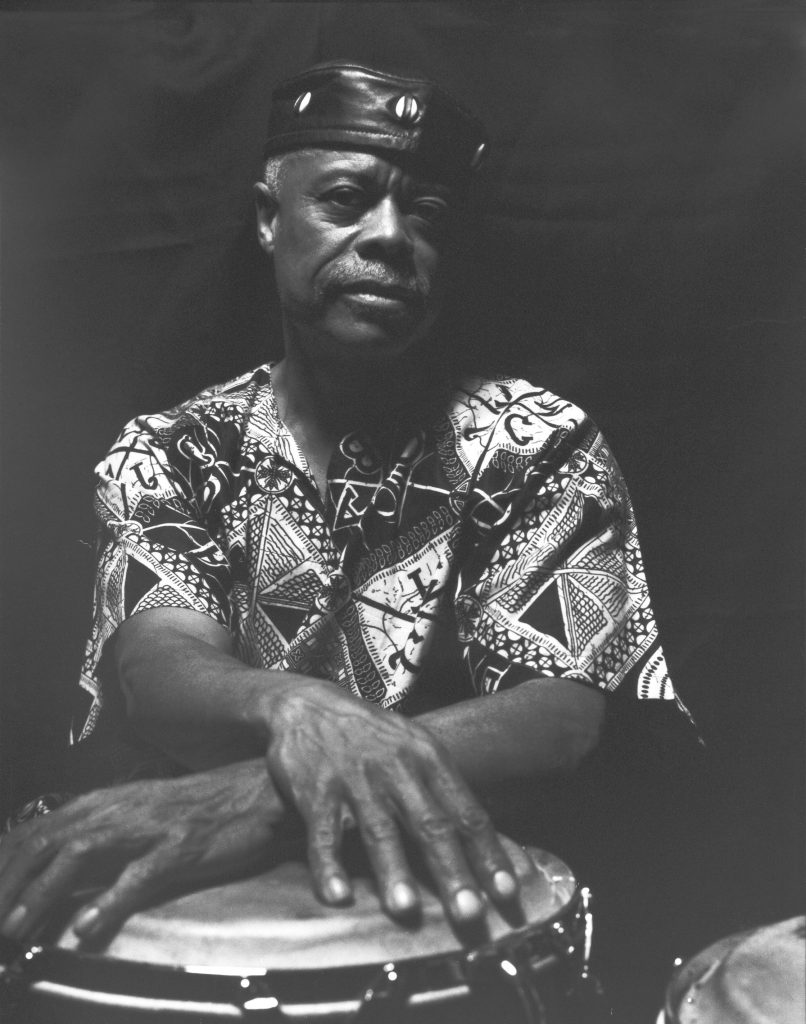
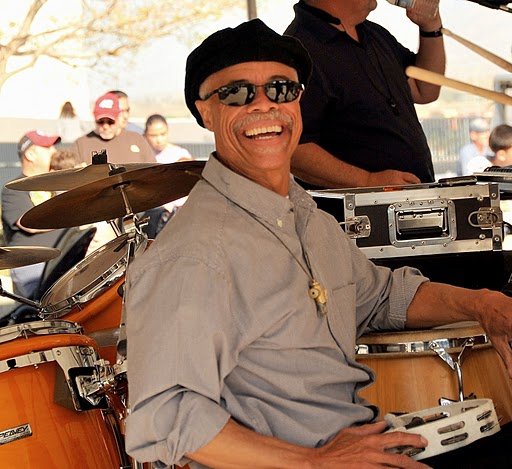
    Portrait photo of Thomas Atkinson
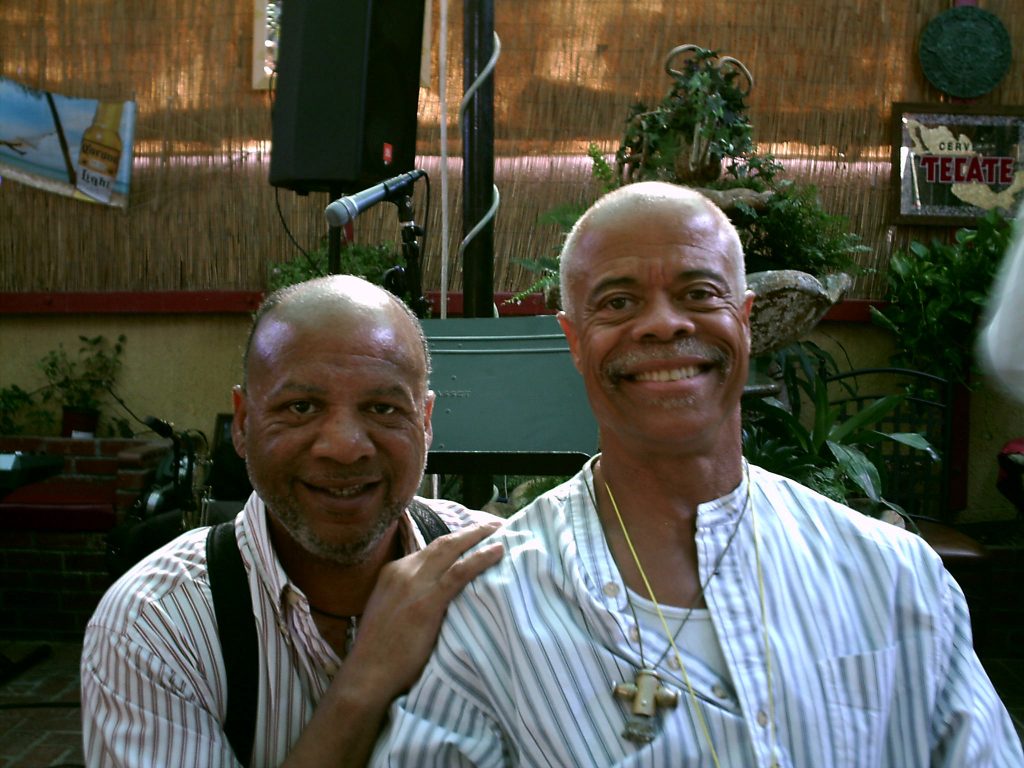
    Jerome Lee with Thomas “Block” Atkinson in Apple Valley, California 2010
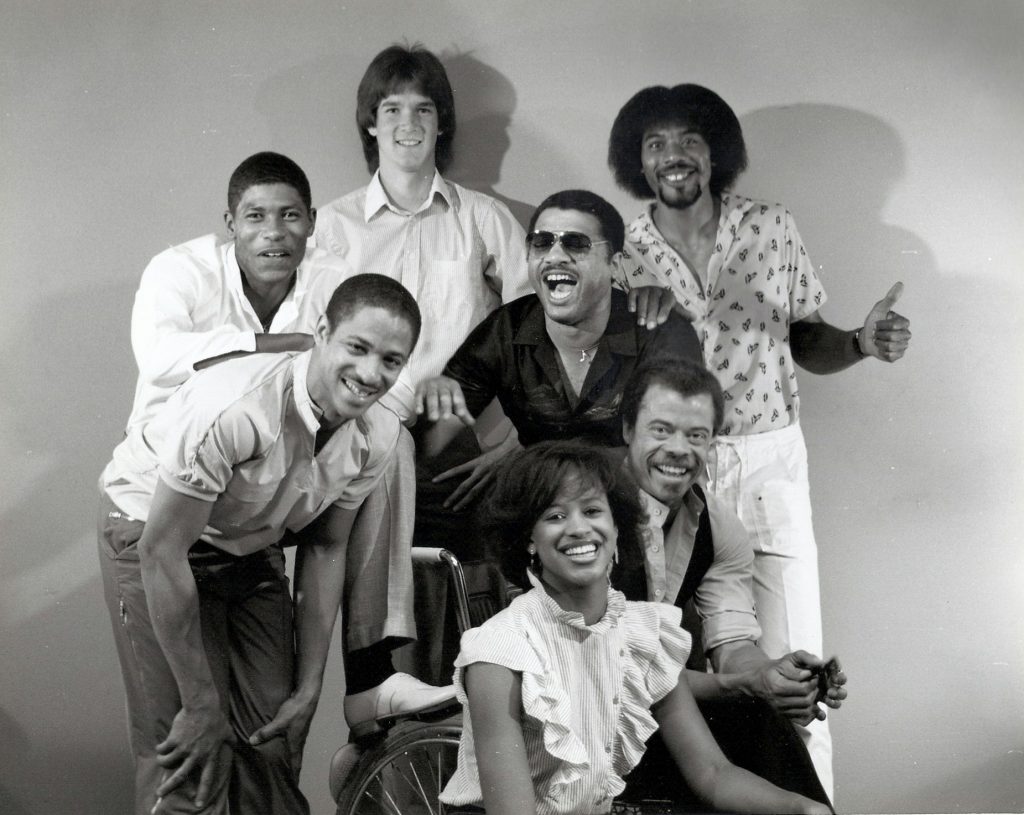
    My band Fat Sound Incorporated (FSI) in a promotional photo, Apple Valley, California 1984
    Thomas “Block” Atkinson
  • Voice Over Experience (Originally posted on March 17, 2017)

    Voice Over Experience (Originally posted on March 17, 2017)

      Each of our voices are distinct and unique, no two voices are the same. Some voices have a high pitch to them; some voices have a medium pitch. And some voices have a low and deep pitch; the voices that we have are certainly one-of-a-kind. But again, no two voices are ever the same in the world. It’s part of what makes us men and women special as people, our voices.

      Many years ago, I was asked to use my voice while I was in the service. The officers and the non-commissioned officers asked me to man the phones and the radios using my voice. They told me that the sound of my speaking voice was clear and distinct, and easy to understand. Add to the fact that I was not easily rattled under stress, my voice would remain clear even under severe pressure-packed situations. It was thought of as a benefit to the operations that I was appointed to operate; it helped to provide a good degree of confidence when it came to sensitive communications within the squadrons I was assigned to.

      But my voice also brought me into some much less stressful situations after my service life. While I was living in Los Angeles during the 1980’s and 1990’s, I found myself doing some spot voice over work every once in a while. I remember doing a television spot for the US. Forest Service, supporting the Woodsy Owl ad campaign that asked people to “get wise, ecologize” and to think about the lands that we all live on. It was a fun thing to do, and I felt that using my voice in this manner was a help to the community.

      My work in radio in Los Angeles soon followed; in 1994 I became radio show host at KCLA-FM with my own weekly half-hour show titled “Jerome Lee’s Tuneful Mix”. Doing radio that went out to so many people was a great experience for me; it was an experience that I will never forget. And again, it was very much a fun thing for me to do at that time.

      My life then turned back to doing music for many years after that. My time spent in Europe focused on making the best music that I could sing and play for myself and for other musicians and artists. Not much voice over work during that time, but I was asked to be interviewed by a radio programmer in Amsterdam, The Netherlands shortly before I left the city to return to the US. The interview was a nice experience, the programmer himself was from the US, and he asked me some good, insightful questions that allowed me to express my thoughts about my musical life in Holland and in Europe.

      Many years after my return to the US from Europe, I did not think too much about doing voice over work. I got involved in musical instrument retail work and sold keyboards and professional audio devices to the public for a few years. After that, I moved on into doing professional audio work full time.

      But once again, people would ask me to use my voice to make various public announcements at the many events that I was mixing the audio for. I didn’t think too much of it, I simply wanted the events to go over well and be a success. I certainly didn’t think that my voice should be a focal point of any event that I was mixing, not ever.

      So, in late 2016, around October or so, I was audio mixing an event and someone asked me to make an announcement over the wireless hand-held microphone at the table I was mixing from. I did so without question, and I made sure that the announcement was delivered clearly and distinctly. When I was done, once again, I did not think too much of what I had done. To my surprise, a few people approached me at the table and offered some very kind and positive comments about the sound of my voice. On my way home from work that day, I began to think about my own voice and what the people at that conference had said about it. I began to wonder if there was a place for my voice in the professional voice over medium. I thought that my chances would be small; I had heard some absolutely terrific voices from men and women on radio, television, and videos. Thinking further about this, I reminded myself about how all of our human voices are truly singular; we all have our own human voice.

      Taking a chance, I signed up at a reputable voice over talent agency in late 2016 called Voices.com. Listening to many of the voices there gave me pause; there are some great voices on the myriads of profiles posted there. I didn’t think that I stood much of a chance there. But the staff at Voices.com told me that those great profiles that I had visited all started from the very same place that I was at, a new beginning. They told me to try my best, and to deliver the best voice over auditions that I could make.

      After creating a profile at Voices.com I began submitting auditions. And someone responded to my audition work and asked me to submit some voice over audio for an important client. I said yes and dove right into the script that they provided. It was a challenge that I wanted to rise up to, so I did my best. The client was pleased, and my voice over work was accepted by them. I was very happy to know this after putting in the time to make the script just right.

      The script that I read was for a video that was to be provided for the Institute for Global Orthopedics & Traumatology (IGOT). IGOT sends a simple but direct message of using the power of surgical education to save limbs and lives around the world. Now that the video has been published and posted online, I would like to send my sincere thanks to Abby VanMuijen, the staff at Voices.com, and to the orthopedic surgeons at IGOT for allowing me to help deliver this important and powerful message.

      And I am thankful to have listened to my own inner voice, which reminded me that our own speaking voices are unique, and very special indeed.

  • Travel – How to get to the Show? (Originally posted on November 23, 2016)

    Travel – How to get to the Show? (Originally posted on November 23, 2016)

      When I look back at having done so many shows and gigs over the course of nearly five decades as a bass player, I am taken aback at the modes of transportation that I and various fellow band members have taken to arrive at the event. I remember early on for me it was buses, big, yellow, and lots of them, to get me to and from the many concerts that I played with my school district’s orchestras.

      Traveling within my school district was rather easy; the distances to travel to the district schools were not too far apart from each other. While there was not much travel for the elementary school orchestra that I attended, the amount of travel picked up considerably once I began to attend junior high school. During my seventh-grade year was the first time I heard the term “exchange orchestras” spoken by my elders. They told us orchestra students that we would join together with the other junior high orchestra in the school district to create one large orchestra. We were told that both junior high schools have been rehearsing a few of the same pieces during the school year. I was anxious to hear what two orchestras combined together would sound like.

      When the two school district junior high schools got together for the first time during my seventh-grade year, it was my first exchange orchestra experience. We traveled as an orchestra from our school to the other junior high school in our district; it was very different than traveling to another school as a sports team. But we still had our own school spirit, and all of the players in our orchestra wanted to play their best in the presence of another school orchestra. The big yellow school bus was the way to get there, with their firm to hard dark green seats, no seat belts, and so long and cavernous inside.

      As I moved on from eighth grade and became a high school freshman ninth grader, the travels that the school orchestra took were numerous when I look back on those days. Those big yellow school bus rides to events and concerts were not without the occasional mishap before traveling. Somehow, the emergency back door on one bus came open and an acoustic bass tumbled right out of it. The bus was parked at the time, and nobody got hurt, but I can tell you that the sound of an acoustic bass hitting and crashing onto the hard pavement in that parking lot was a sound that I will never forget. A sound that is hard to describe indeed!

      When I was playing with the high school orchestra, the travel became more extensive, and we did exchange concerts with high schools that were outside our school district with high schools on Long Island. And more of those big yellow school buses to ride around in. They were always an experience to be in. And for special event use, I had the privilege to ride in a station wagon car that was painted school bus yellow and adorned with the requisite lights to identify it as an official school bus. When I was a high school sophomore, a group of five orchestra players, including me, had been granted permission to travel to the elementary schools and demonstrate playing our chosen instruments for the young students. I remember how cool it was to get out of class and go play at the elementary schools that year. Hey, these are some of the perks for playing music well I realized.

      Travel by car became the main mode of transport after high school for a while. But soon came the vans, and the trucks that were often rented to get to shows with the band I joined right out of high school. I remember that most of the guys in that band would take turns riding along with the band’s equipment technician in either a van or a truck to the band’s shows. I took my turn in the van mostly and got to see Long Island and New York City from the view of an equipment van. Unique to be sure. But all of us wanted to ride with the band’s manager to the gigs; she had a small two-seater British sports car that we all loved. I got to ride to a couple of the band’s shows with her, she could really drive that car and that car could really fly when you stepped on in. That was fun for me.

      When I spent time in Japan in my early twenties, we got to band gigs mostly by cars and vans. The occasional gig there would be an equipment truck or two for the band’s backline and P.A. system. And just when I thought that I would not ride in one again, the band reserved a big school bus that was dark blue in color this time, to travel a long distance to some shows on the north part of Honshu Island. It was winter and cold, but that big bus had a heater that worked and that saved the day for us. And it was nice to travel at the height that a bus seats you. The view was very nice, and the landscape of Japan was beautiful to look at. I never said never again about riding in a big school bus, because, well, it could happen at any time!

      Most of the shows that I traveled to in the U.S. as a bass player have been by cars, but vans and rental trucks are included here as well. I would rent a truck sometimes for one band that I was leading in the high desert of southern California; we would make the 200-mile round trip to Los Angeles and do our shows there. The band would try to ride together to save on fuel, and so I would always try to rent a travel truck that had a compartment door leading to the cargo area in the back of the truck. The guys would bring something soft to sit on and ride on top of the backline and P.A. gear. We were all young and having fun in a good band, I enjoyed driving the truck and having a laugh with the band members.

      But as I moved on to Los Angeles as a bass player, the modes of travel began to include airline travel to and from shows. Traveling with the band on an airline is one of the fun experiences to have as a musician, I think. There is nothing like knowing that reason that you are riding on this aircraft is because you practiced at home as a musician, and you rehearsed very well as a band. I thought about the major label artists that I saw early on in my musical career and how they often traveled by air to their shows. I thought that it was a real privilege to travel by air to shows, and I felt that I would do so for as long as the opportunities presented themselves.

      Once I made the move to Europe and to the Netherlands, it became surprising at all of the modes of transportation that I took to get to shows. I traveled to shows in cars and vans when they were long distance from where I was living in Amsterdam, which was normal. And the travel by air to get to the concerts in Italy and elsewhere were special indeed. To travel by tram or bus in the city was easy once I learned the city routes. But what set apart my mode of travel once again was my use of a bicycle while I was living in Amsterdam. I walked around Amsterdam and used its public transport system during my first year living there. But once I got a good touring bicycle, that was how I got around for most of all of the remaining years that I spent there. You see, there is a very real bicycle culture in the Netherlands, and people there take their bicycle system and infrastructure quite seriously. It is possible to ride your bicycle safely from one end of the country to the other there, clearly marked bicycle paths that include traffic signals are everywhere, in every small village or town to every big city there is a place to ride your bicycle.

      And people who decide to drive cars there know that the person on a bicycle has the right of way, but things do happen. I did get hit by a taxi one day while I was riding my bicycle, I was not hurt too badly, and I was much angrier than hurt. I shouted at the driver, he knew what he had done, but he and his passenger stayed behind locked doors and rolled up windows as I shouted at them. When I was done, we went our separate ways.

      I thought to travel to as many shows as possible on my bicycle in the city of Amsterdam would be my way of getting around. I had purchased a touring bicycle that had a rack on the back wheel and a slightly smaller rack in the front wheel. These came in handy as I could wear my bass travel bag with my bass inside of it gently on the back wheel rack of my bicycle. On the front wheel would be my backpack that had cables and spare parts and sometimes gig clothes for the stage. Keep in mind that when on a bicycle, you’re out in the elements. The winters are very cold in Amsterdam, so I would dress very warmly to make sure that I would not get too cold on the way to my shows. And dressing properly afterward to make sure that I would be warm on the way home after a very late night/early morning gig when it was really cold outside.

      I also keep in mind how many people got around by boat in Amsterdam; there are more than we think. I always loved a boat ride on the canals in Amsterdam; each one was very special to me. It is the most different way that I have seen a city anywhere I have lived. So, I think that the shows that I played on the canal touring boats were just great. I met a guitarist and his sister who were doing a duo show on the touring boats and they asked me to join them. I did, and I must say that to ride my bicycle down to the dock with my bass and get on board the touring boat and play music for the entire 90-minute tour were some of the most memorable experiences that I had while living in Amsterdam.  I really liked doing that and I am so thankful to that guitarist for inviting me to join him and his sister. 

      I enjoyed my mode of transport by bicycle during my years of living in Amsterdam. I finally wore out the first bicycle that I bought, and I went back to the same bicycle repair shop that I bought it from and got another one. I rode that second bicycle until I left Amsterdam, and funnily enough I went back to the same bicycle repair shop and sold it back to the shop owner. We both laughed about this, and he was happy that I had taken good care of that bicycle so someone else could use it.

      Returning to the States, it has been back to cars and vans to travel to shows with along with the occasional airline mode of travel. It was strange when I sold my bicycle in Amsterdam; I went back to walking and using public transport to get around. But when I see the new driverless cars beginning to populate the roads here in the U.S., perhaps it is just a matter of time that I will get the privilege to travel to a show in one. And that will be a story in itself indeed. Happy trails to your next show and stay safe out there!

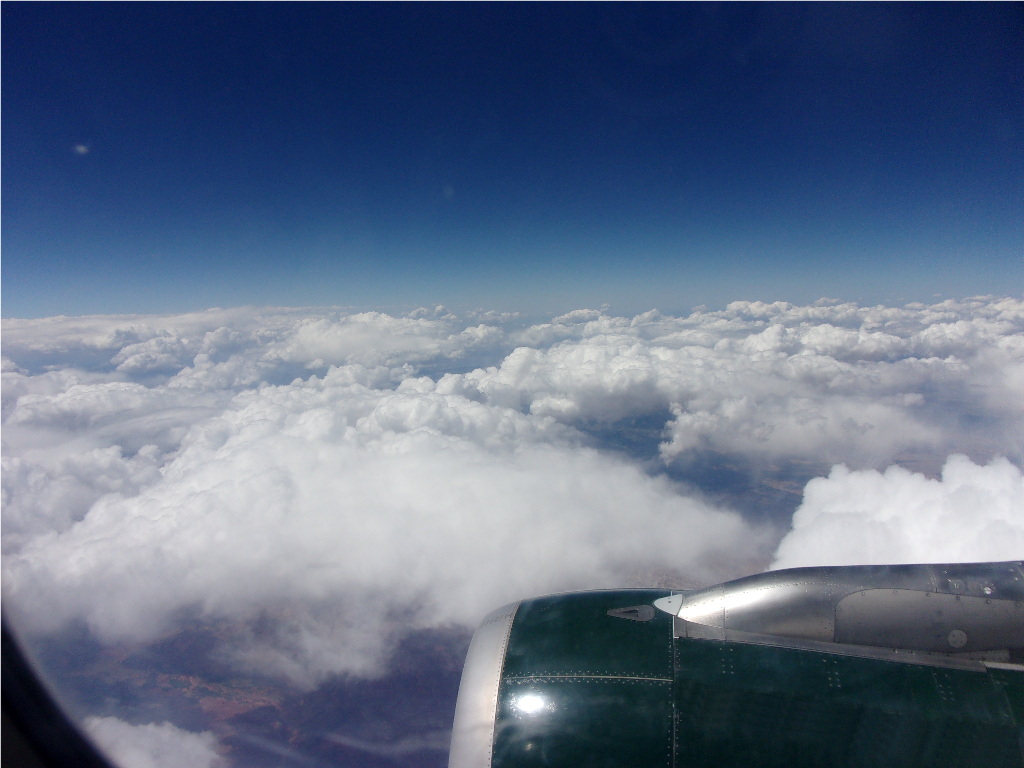
    Jerome in flight to a studio recording date in Parker, Colorado, 2014
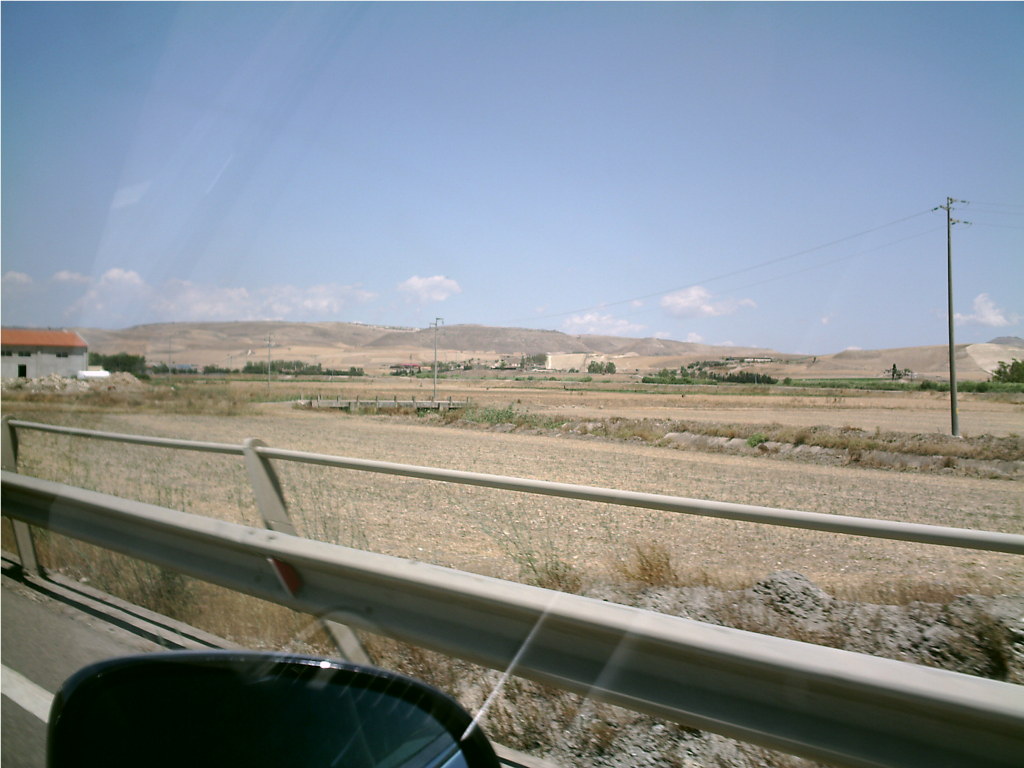
    Jerome traveling to a show date on Sardinia Island, Italy 2008
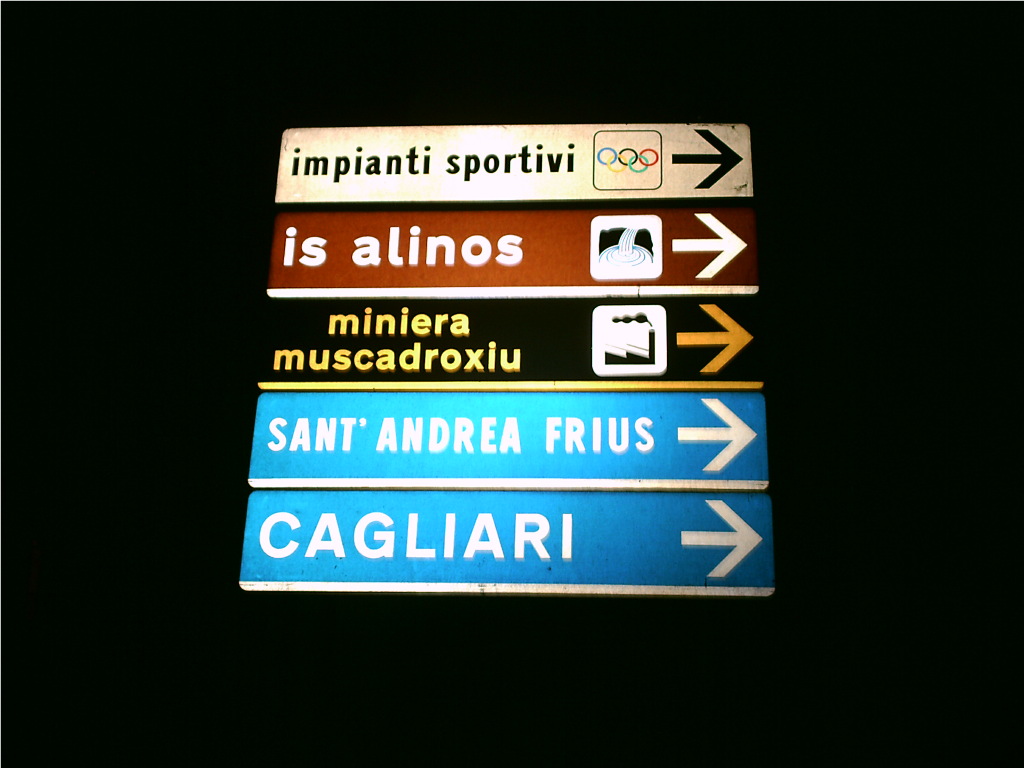
    A sign showing the way back from a show by Jerome Lee City on Sardinia Island, Italy 2008
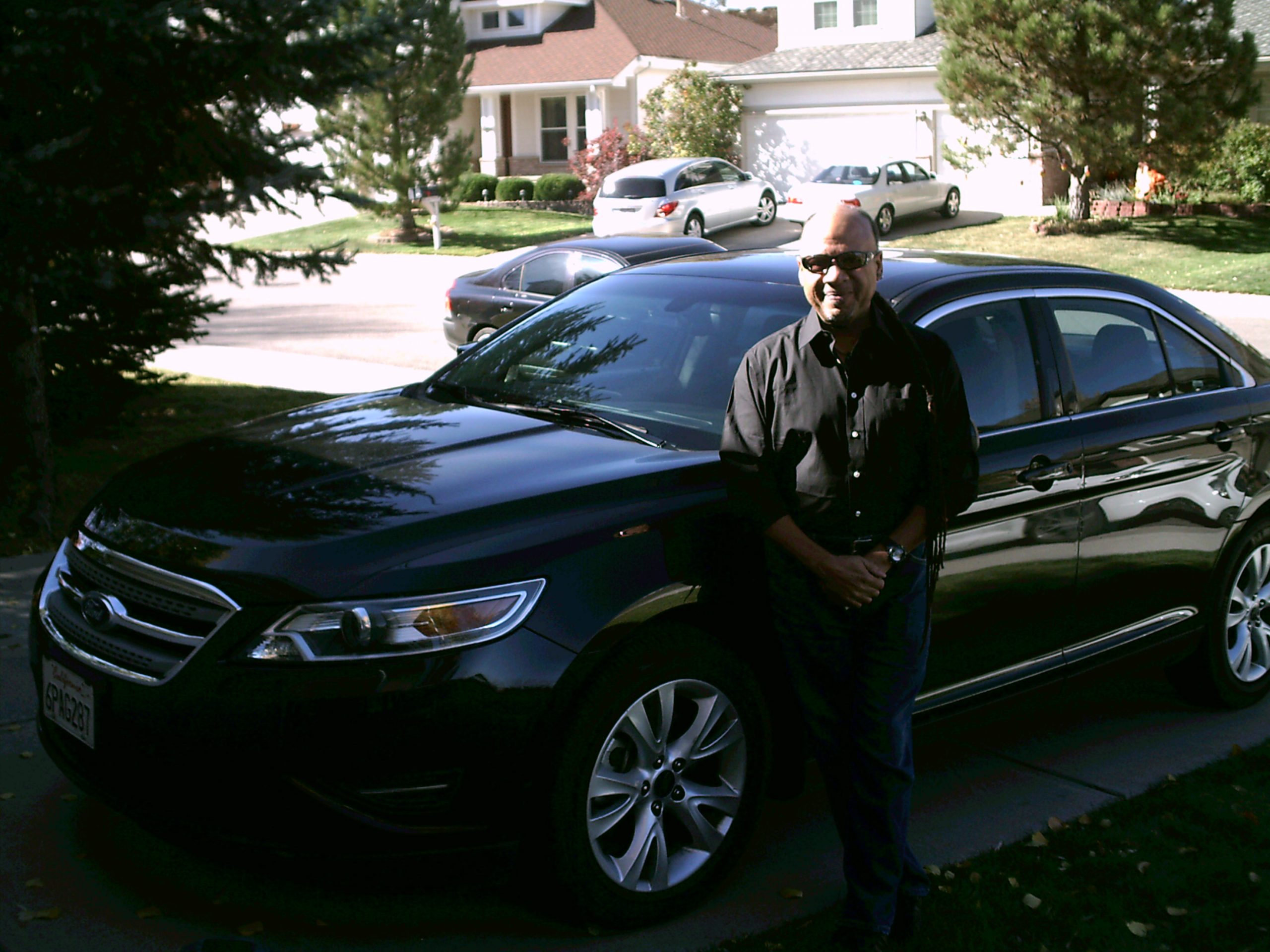
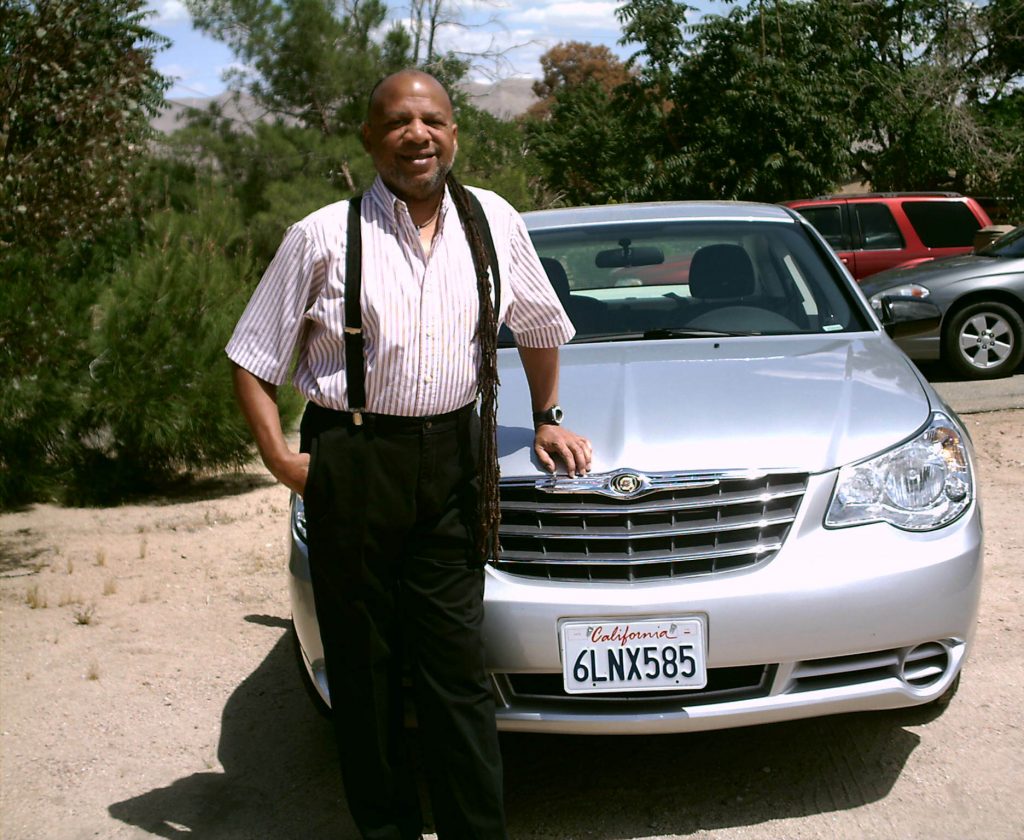
    Jerome Lee in Hesperia, California visiting an old friend for a reunion gig in Apple Valley, California, 2010
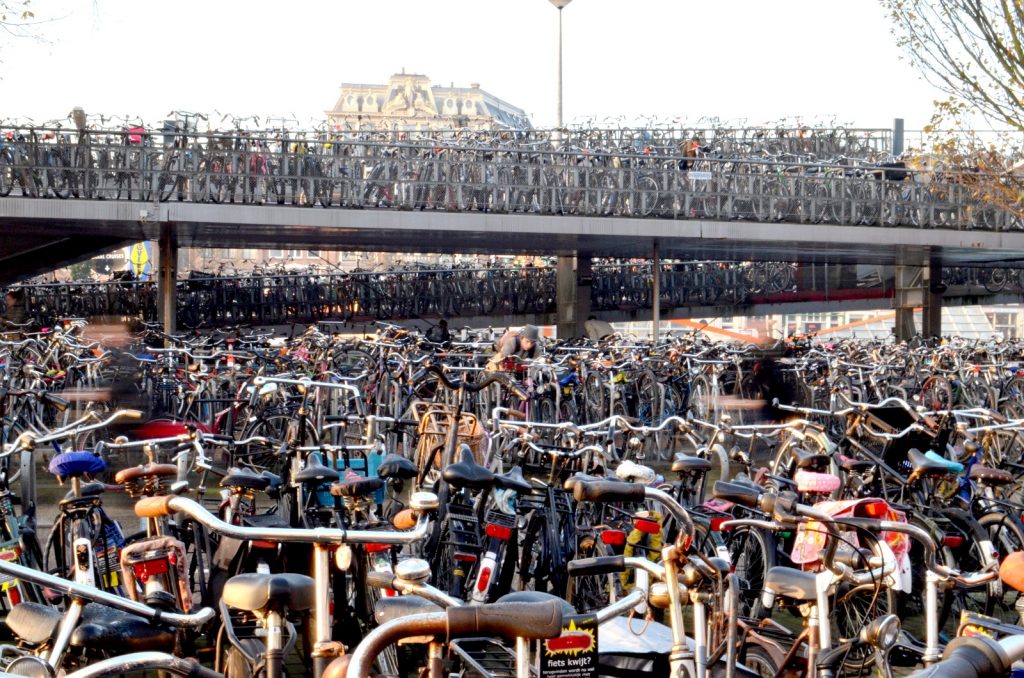
    Jerome would park his bicycle among the thousands of bicycles at Central Station, Amsterdam, the Netherlands during the late 1990’s
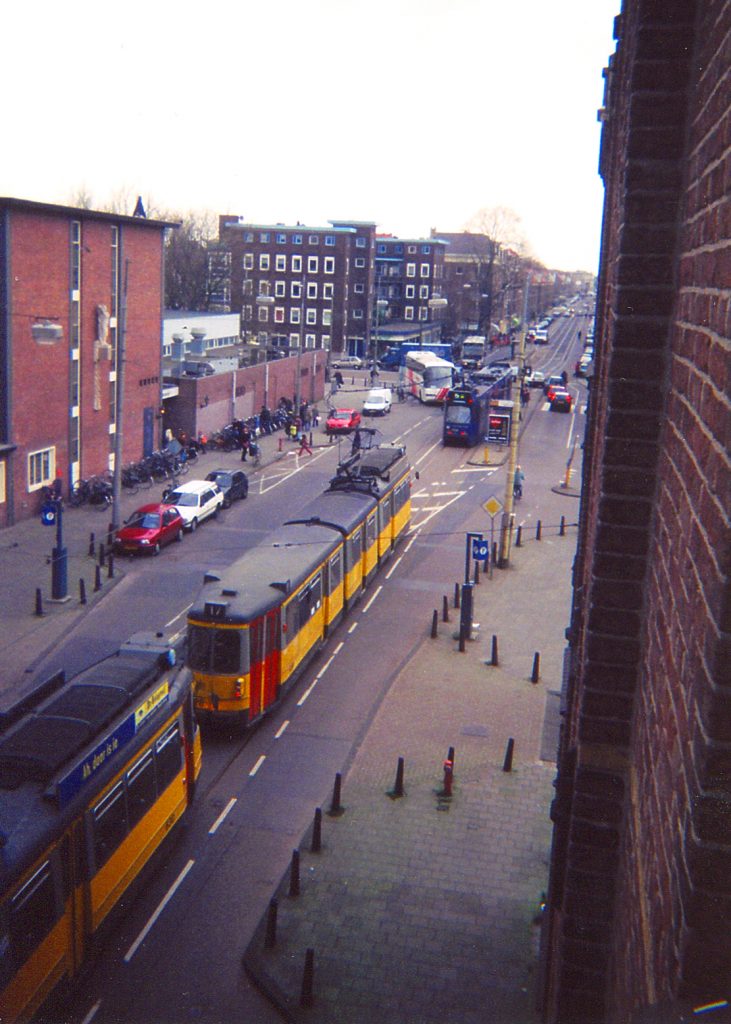
    Jerome Lee would very often travel by tram or by bus in order to get to shows, rehearsals, and giving music lessons in Amsterdam, the Netherlands. Photo taken of Marnixstraat, Amsterdam, NL in 2000
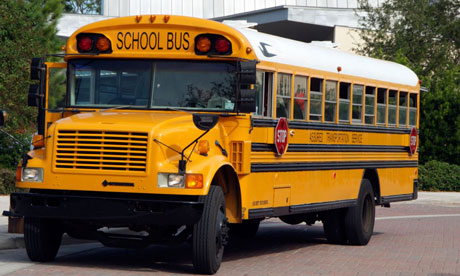
    Sometimes a school bus gets the job done to get to and from the show!

  • Recording, Tape, and First Recording Date (Originally posted on October 31, 2016)

    Recording, Tape, and First Recording Date (Originally posted on October 31, 2016)

      I was growing up during the early to middle 1960’s era of the exploding growth of consumer electronics, and as a result, I was exposed to a variety of media playback devices. But back then, they weren’t known collectively as media playback devices. Instead, the devices were called what they were in the minds of people; film projector, tape player, and TV set. My older sisters and brothers were trying out and using these new consumer playback devices, usually transistor radios and sometimes tape players. The devices would last for a short while, and then a new playback device would become available that they would begin to use.

      As a result of being around friends and family members who were using these various playback devices, I began to pay more attention to what they were and how they worked. Portable and console radios were a marvel to me at a very young age, and they are still around today. But playback devices that included analog tape as a medium for playback of audio became something of a source of fascination to me. I mean a piece of tape moves inside of the device and I was hearing things. How does that work I wondered? And then, at the age of 14, I got involved in my first real recording session that changed my life in ways that stay with me to this day.

      My first real recording session involved a very nice woman who led the small choir at a local church in the town I grew up in on Long Island, New York. It was a home recording studio that a friend of hers had in their home. I was asked by this woman to play some bass guitar parts onto tape, using a tape-recording machine. The tape recorder was new to me, it was the year 1971 and I found myself feeling strangely excited to partake in such an endeavor. The choir leader then asked me to follow along with what I heard on the tape, to follow the rhythm parts that I heard and play my bass to those parts. We had been rehearsing the songs to be recorded beforehand, so I was not faced with learning new material on the spot at the recording date. But it was still my first official recording, and I did well with handling the excitement of hearing my bass guitar part played back to me for the first time. The tape recorder had a feature labeled on the front of it that was an acronym that read SOS, and I asked what that meant. The man who was operating the tape recorder said that the acronym meant “sound on sound”; he went on to say that we can hear what we are recording to tape while simultaneously listening to playback material previously recorded onto other tracks on the tape.

      While I had a bit of an idea of what all of that meant, I was bitten by the recording bug in a big way. The recording date turned out very well, the adults were pleased with what I had recorded, and I was pleased that they were. Having had my first recording session be a successful one, I began to wonder what a life in recording might be like. I heard records in a new way after that; as I played along with my bass to my favorite LPs at home, I would imagine myself being the bass player for that recording session. I felt a thrill about the potential of hearing my bass playing being played back for all to hear on a record or tape recording. And while I did not begin recording right away at the age of 14, I knew somehow that my opportunity to do so would emerge at some point. So, I really practiced for many hours on my first bass guitar to make sure that I would be ready when the time came.

      As my musical life expanded, I found myself recording with the various school orchestras in my school district and later on, around Long Island. As I remember, the first motion picture films that I saw with me in them were the films taken of the elementary school orchestra that I was in. After the filming session with the orchestra was done, the film editing time did not take very long. The elementary school would then hold an evening assembly some weeks later at the school auditorium that invited all of the parents of the students in the orchestra to attend and to watch the film. But my own musical recording life on the bass began after I had graduated from high school, after the thousands of hours of playing the bass and reading music. All of that practice turned out to be a good thing for my musical recording future.

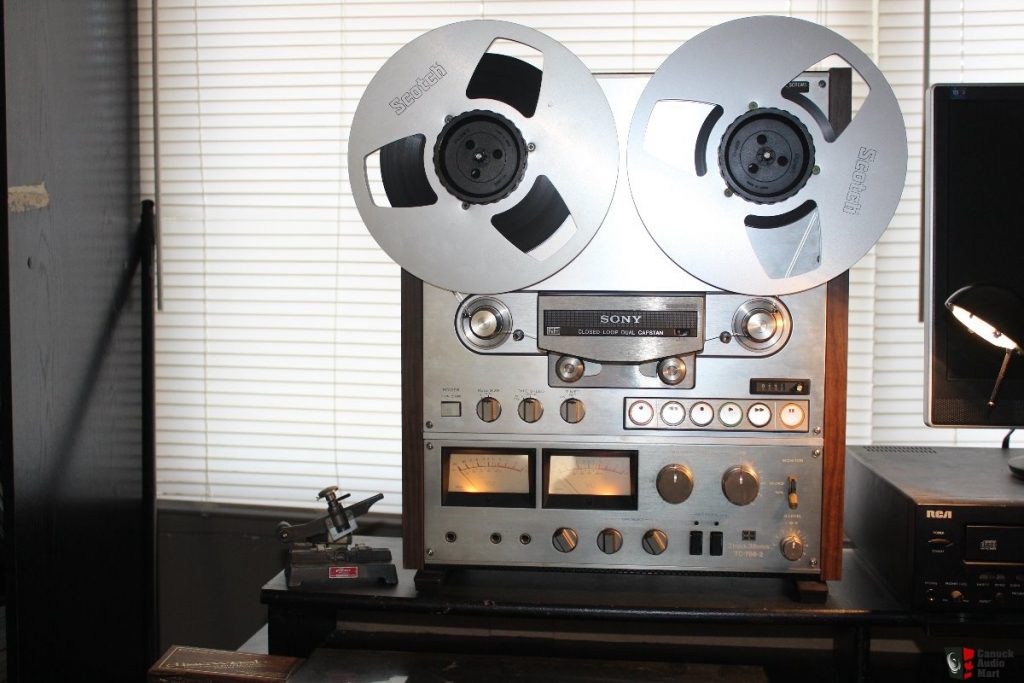
      During my years in the service, while I was stationed in Japan in the late-1970’s I was part of some band recordings that were made by small Japanese production companies when the band played concerts; and separately by a band member who brought his own reel to reel tape recorder to the band’s regular gigs at the club on the installation we were all stationed at. Listening to those band recordings allowed me to hear what I truly sounded like to each audience, and so I continued crafting some ways towards getting a good live sound on the bass. I really liked listening to those recordings, and back in those days having cassette tapes were the way to go. They were relatively easy to carry around, and there were a couple of decent brands that featured 120-minute cassette tapes that were reliable for recording and playback.

      After returning to the States, I finally did my first true band recording in southern California in 1982. The band that I was leading was rehearsed and ready to go, or so we thought. What we realized in the studio was that our song parts were exposed when recording. All of the little things become big things while recording in the studio. We had done some ensemble recording to a stereo cassette deck at our rehearsal place with decent results. But the recording studio was different in how the recording process put everyone’s recorded part under a microscope so to speak. And in the end, we did well as a band during that recording session. The resulting cassette tape demos that I made did result in my band getting more gigs later on. I discovered that I was delivering a good tone to the 16 track, 1 inch tape machine used at that recording studio. And knowing how to get a great bass tone in every studio that I had the honor to be in after that became a serious goal of mine.

      After I made the move to the Los Angeles area in the mid-1980’s, I was amazed at the many excellent recording studios that I had the privilege to either visit or record in as a bass player. The largest studios in the city were vast indeed; some of them reminded me of walking in a cathedral or a lush and expansive house of worship. And there was a sense of reverence in those big posh studios, I mean the people inside often spoke in hushed tones as to not disturb the recordings taking place in its many recording rooms. They were a special place indeed to be in to record music. My recording abilities on the bass grew expansively during my years of living and recording in Los Angeles. I recorded many demos and some good records for artists while I lived there.

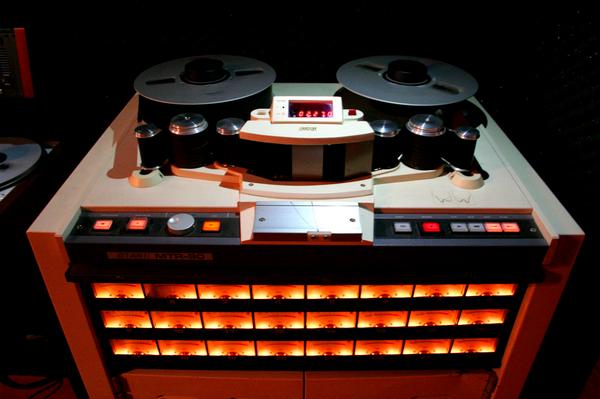
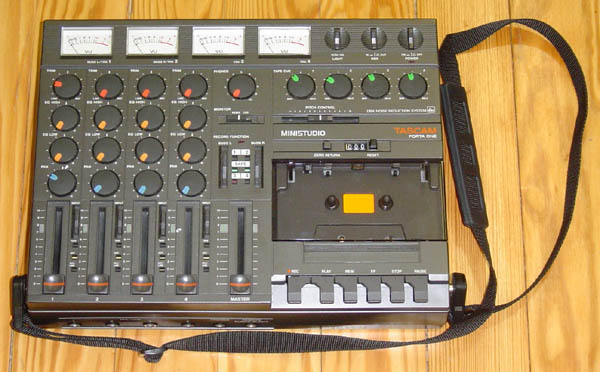
      And what playback medium did I record to during all those years? Analog tape, and every studio was using a multi-track recording machine to perform the tasks of recording and playing back all of the recorded material. I dug into the science of how the process worked, how analog tape was made, and much more. I recorded my own demos that I sent out to many music publishers in the early 1990’s using multi track cassette tape recorders. But just when I thought that analog tape was going to be the future medium for multi-track recording, along came digital hard disk recorders along with the computers that began to change the landscape of recording audio everywhere. And that migration over to the digital recording world began to represent an exciting new learning curve for me, one that I decided to take on. And the future did change in the recording world, and I will speak about that change with you as we go forward. In the meantime, do your best at each recording session, and have fun when you do. 

    A Sony TC-766 analog tape recorder
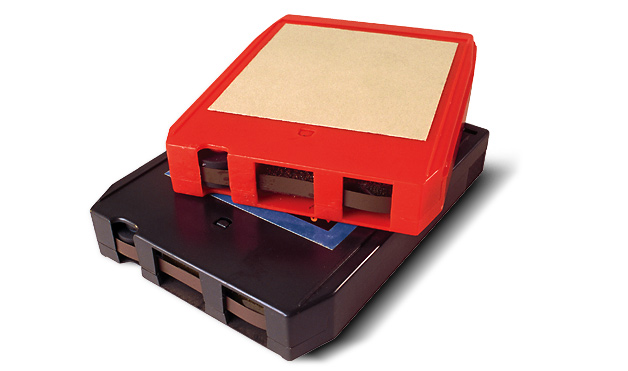
    8-track cassette tapes
    TASCAM 4-track cassette tape recorder
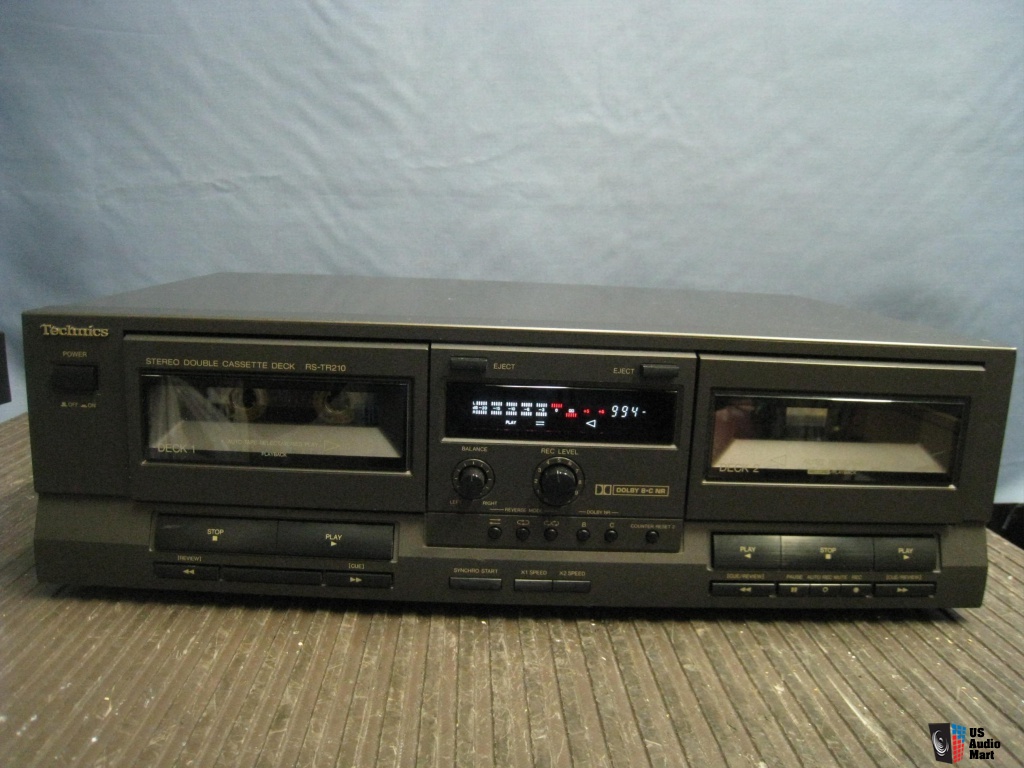
    Technics TR-210 stereo cassette recorder
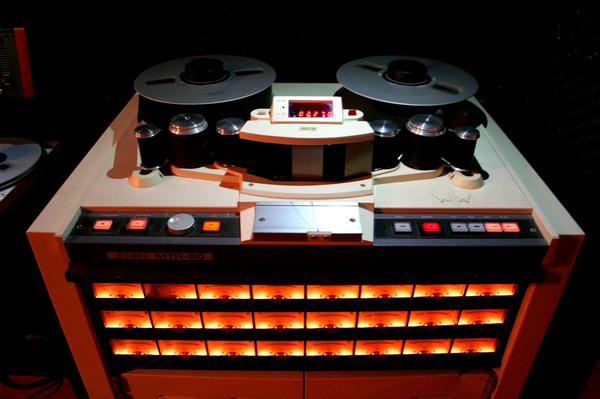
    Otari MTR-90 2-inch 24 track analog tape machine