Tag: school

  • International School of Amsterdam_ To Teach (Originally posted on October 9, 2016)

    International School of Amsterdam_ To Teach (Originally posted on October 9, 2016)

      My days of living in Amsterdam, the Netherlands in the mid to late 1990’s found me playing music with a lot of different musicians. They were from all around the world. What this helped me do was to maintain a network of communication with the other numerous musicians in the city at that time. I had also begun to meet some of the musicians who were music teachers to supplement their income while living there. They all said that teaching music in the city was helping and enriching not only their students, but themselves as well. I too had done some music and bass guitar teaching before I had lived in Amsterdam. And by me having done so, it opened up a really nice chapter of my time spent in the city.

      As I had begun to meet musicians and artists at the many shows and open mic sessions that I went to and performed at, there was one Dutch man I met who asked me for bass guitar lessons. I said yes, and he would come to the little flat that I lived in to get his bass guitar lessons. They were fun times for both of us, and he did learn to play his bass much better after taking the time to learn and practice. It helped me to stay sharp too; teaching has a way of tapping into a very different area of our psyche as people. There is a need and a want to share and inform someone from the heart as a teacher. I felt this, and that feeling has always been a part of who I am.

      One of the great bass guitar players in Amsterdam asked me if I wanted to sit in with her band one night at a jam session. The band wanted to play a song or two from some charts they had on the stage. So, I played with them and read down the bass chart before me. It turns out that the very nice bass chart was written out beautifully by this great player, and she later asked me a bit more about myself. I had not been living too long in Amsterdam at this point, and I told her a bit about my history in music. We became friends and she would let me know of the many shows that she was playing in. I would go and see her play, and then she would introduce me to the other group members. Meeting those people was good for me later on, but something else happened that was a bit of a life changer for me.

      I also found out soon after through my friend that she was teaching music and bass guitar at the International School of Amsterdam. Located in the adjacent town of Amstelveen, she said that she had been teaching there two and sometimes three days a week. Once in a while she would teach more often there, but that is the schedule that she had settled into at that point. She told me one evening after a show that she had to go on the road with a great band and could not teach at the school for a while. And to my surprise, she asked me if I would like to take her place as a staff teacher at the school. Without a doubt, I was happily surprised and I said yes. There was some time before she was to leave on her tour, so that gave me some time to prepare myself too.

      The first day that I arrived at the International School of Amsterdam, I went inside and I liked it right away. I saw and heard students speak in languages from all over the world. It was amazing to encompass in my mind. I met with the music teachers on staff at the school; they all were very talented and very kind. I was glad to meet them, and glad to know them. I knew that this was something of a turning point in my life of living in Amsterdam; it was taking on something in a place that was new to me. It made the challenge so exciting, I was ready to begin.

      I was set to teach there at the beginning of the next school year. The music lessons took place after regular school hours as it was deemed extra curriculum school time. I also learned that my students were quite young. They were between the 11–13-year-old age ranges. And I looked forward to meeting their parents; talking with the parents of the students was something that was of great importance to me. I had remembered that importance when I gave bass guitar lessons in the U.S. The parents get to know me too; their minds were set at ease as I spoke with them. To me it is very important to have a good relationship with both the parents and the student while teaching.

      After the first school year that I taught was over, there was a music teacher’s meeting that we would be called to before the start of the next school year. It was here that I found out that we had to present ourselves at an assembly event before an auditorium filled with parents and relatives of the students, and many students themselves. You see, what we were trying to do was to gather some students for music lessons at the school. The assembly event allowed the teachers to display their chosen instrument and to show their ability to perform on it. Doing this would give the students a choice of which musical instrument they may be interested in learning to play. As teachers, we were good at getting the attention of the students with what we would play, like I said earlier, the music teaching staff at the school was very talented indeed. I did my presentation and performance before everyone and got a couple of laughs and some interest from the students.

      After the assembly event was over that night, I met new students who were interested in learning the bass guitar, and I met their parents as well. It was really nice to have these new beginnings with new people, and good for me to impart to these students the things that I have learned about music over the years. During my second year, a couple of my students came to their bass guitar lessons with new bass guitars; I was very pleased that their parents took some of my advice on choosing a first instrument for their child. My students were of a young age as I said before, and having a 34″ scale neck might be a little bit too big for them to start on. So, a couple of my students arrived with a 30″ scale bass guitar to get their lessons with me. Having my new students show up with these new instruments further enamored me toward giving them the best bass guitar lessons that I could give. And yes, one of my students who was from Finland came to school with a 34″ scale bass guitar, but he could really play it. He wanted to know things about the bass that were a little beyond his abilities at the time, but I went on ahead and brought him along toward the place he wanted to be as a bass player.

      Part of the school curriculum during the school year at the International School of Amsterdam was to have an assembly event at the school auditorium to showcase the music students themselves. With all of the parents in attendance, it was a great way for those students to show their progress in front of everyone. One of my students wanted to participate in the event, so I worked up a very simple, blues-based song for us to share. I showed him how musicians take turns during the songs that they play, how they share solo space during the song. This particular young student of mine was from the north of England, and his accent was very thick when he spoke. I had lived for a year in England prior to living in the Netherlands, and I know how thick those accents can sound to my ear. He was a good student, and I could tell that he had been practicing his lessons. When he was comfortable with playing the song, I taught him how to let me know that he was ready to take his solo space in it by saying “let me in!”, and then he would begin to play his solo while I provided accompaniment for him.

      The night of the event at the school auditorium was really good. The music schoolteachers and their students did some really nice things with their music on the stage that night. It was a full auditorium, and my student and I did not have to go on first, so I saw a little excitement build up in him. I reassured him that we would be good out there. This was to be his very first performance playing a bass guitar on stage in front of people. When it was our turn, I got the two small bass guitar amplifiers set up with the help of one of the other teachers, and then we were introduced to the audience. As we began to play the blues song that we had been practicing together, I saw him relax a bit on stage, and we got a nice groove going. When he was comfortable playing the song on stage, he looked at me with an expression that I will not forget and said in a nice loud voice that I will not forget, “Let Me In!” The sound of his accent made me smile as he took his solo, and the audience reacted nicely as well. My young British student played his heart out, and I gave him the space to do his thing. It was such a great moment for him, and I was ever so proud of him playing the bass guitar like he did. His parents and siblings were excited for him after the show, his mother told me she could hardly get a word out of him most days as he was shy, but to hear him speak out on stage like he did was a real joy for her to hear.

      I went on to teach at the International School of Amsterdam for a total of just over three years. It was one of the most positive experiences that I had while I lived in Amsterdam, the Netherlands. To teach and to inform others is one of the most important things that we can do for each other as people. To have met such great music teachers, students, and parents is something that I will always cherish about my years spent living there.  Thank you ISA. 

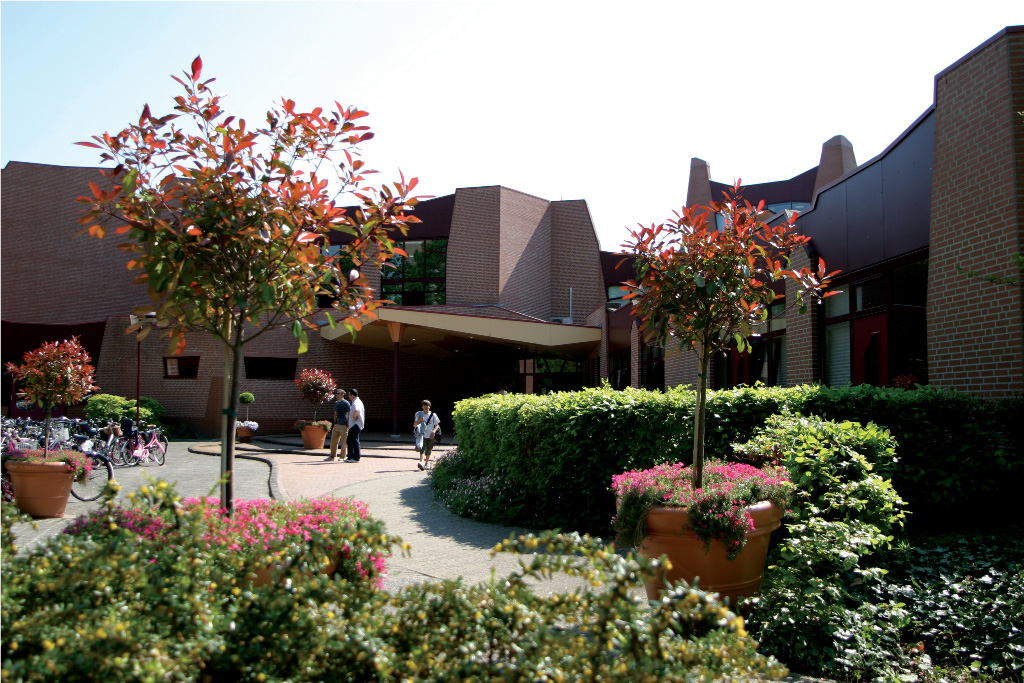
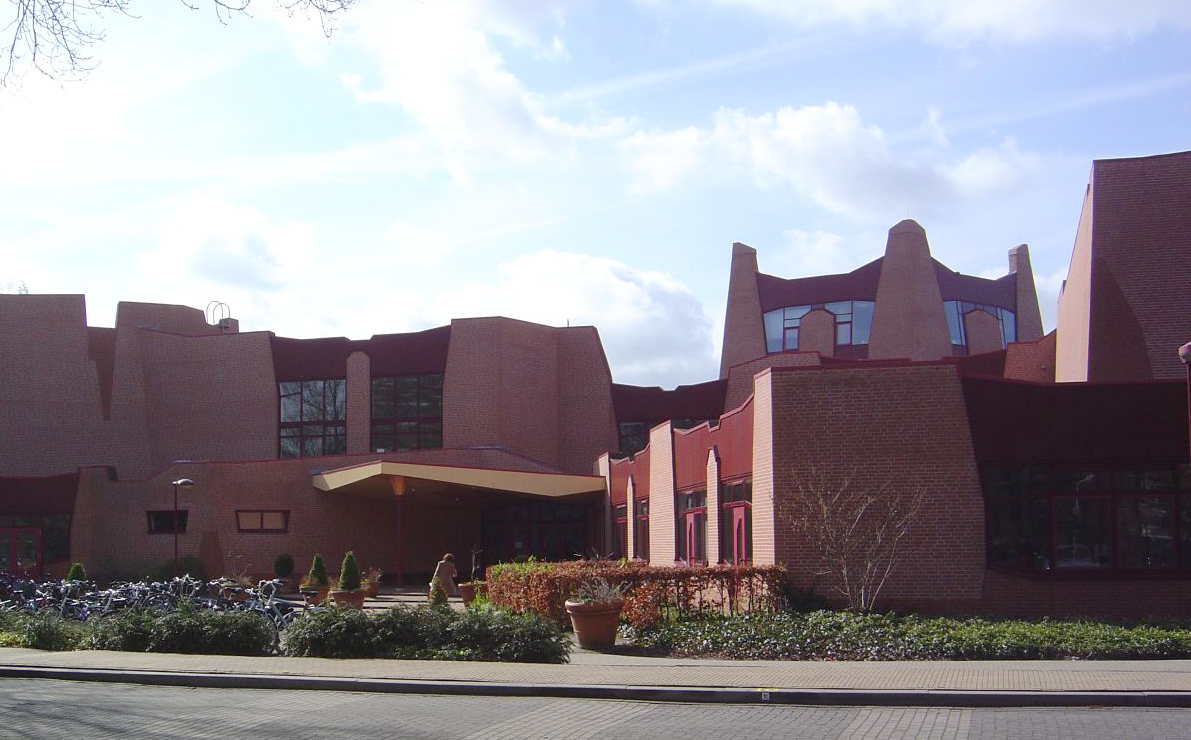
    The front entrance to the International School of Amsterdam, Amstelveen, the Netherlands, c. 2014
  • Japan (Originally posted on Oct. 2, 2016)

    Japan (Originally posted on Oct. 2, 2016)

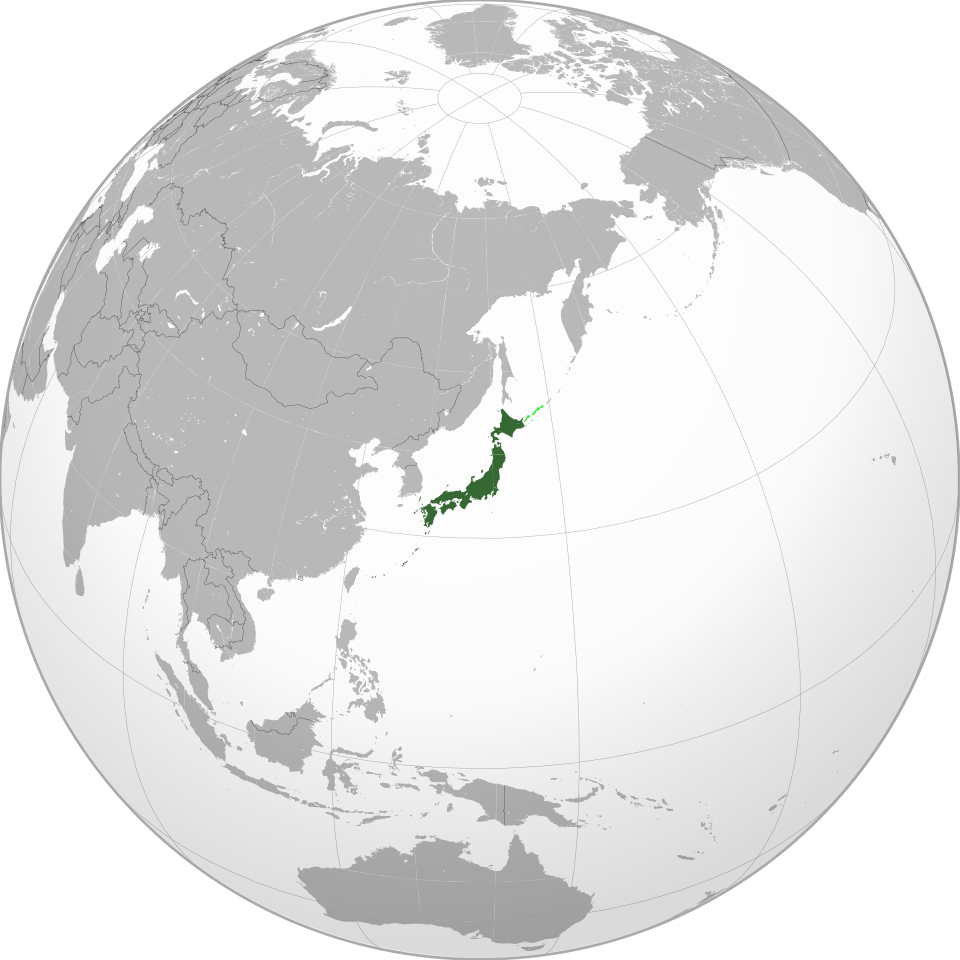
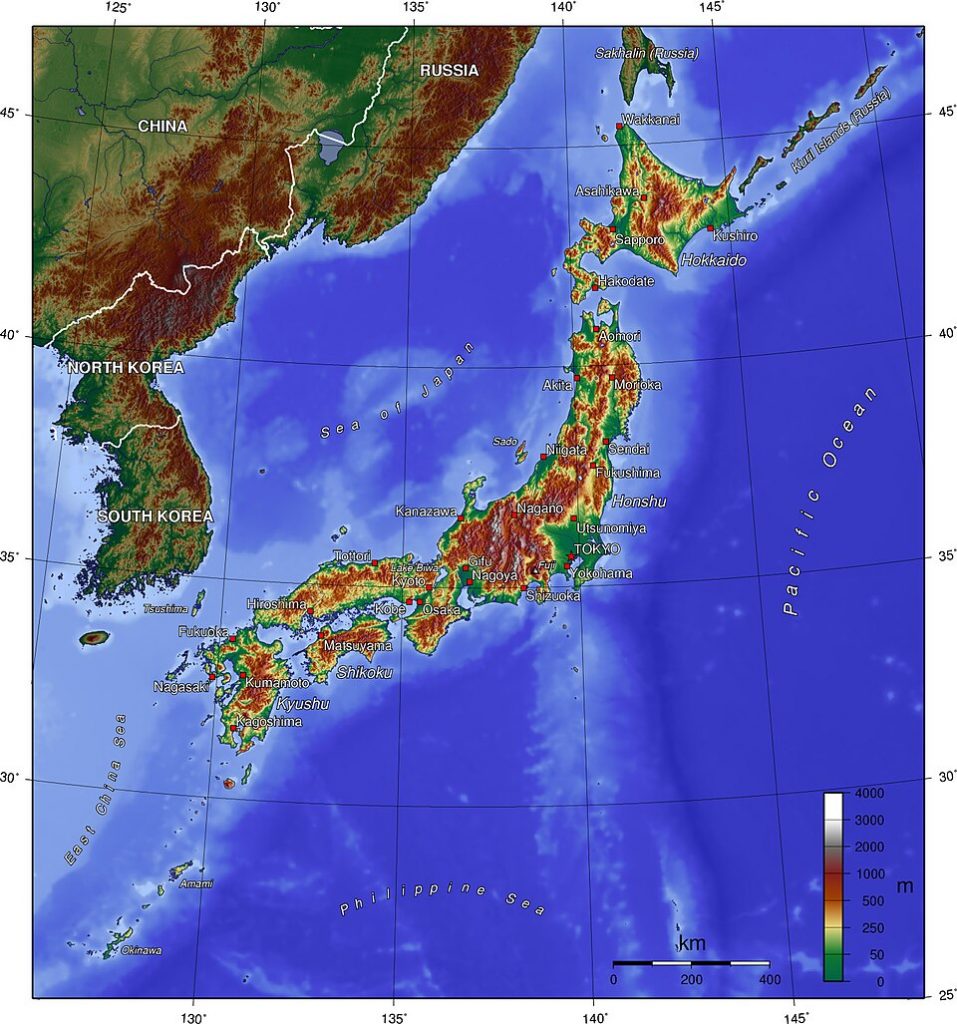
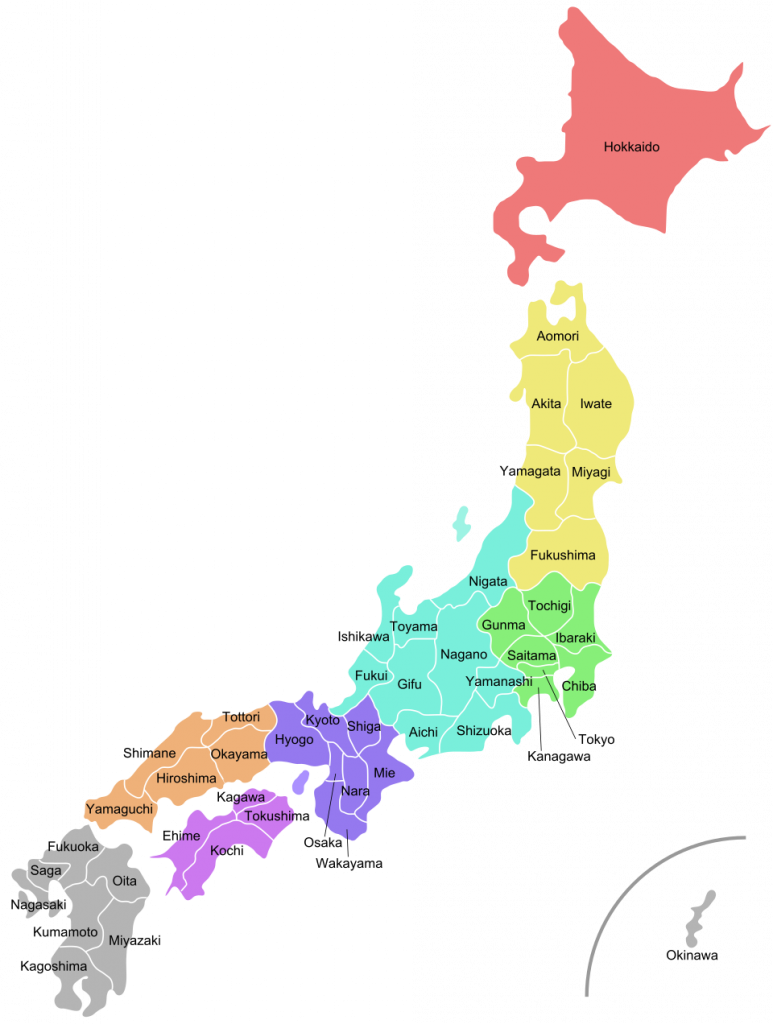
      I never thought that I would ever visit the Far East in my lifetime, let alone live there. But it did happen to me. My life in the service offered me a chance to be stationed in the Far East, and I accepted my service branch’s offer. My assignment placed me on Honshu Island in Japan, and for me it was quite a culture shock at first. The time was late 1977, and my assignment was to run up to near the beginning of 1980. I had never lived outside of the US before at that point in my life, and here I was as a 20 year old taking it all in. It was fascinating, this island of Japan, and I wondered about what the culture there could exchange with someone like me. Well, I was about to find out in a good way.

      My fellow servicemen advised me to stay close to the installation at first, don’t wander off too far some of them said. But it turned out that I was much more excited and curious about my new surroundings than I had anticipated. There were a couple of guys there that I met who knew the island and had a car to drive. That was one way to get the lay of the land. Then there were some other guys that I met who knew the mass transit system in Japan rather deeply, it was with them that I got to understand the routes, times and locations of the mass transit there. And the mass transit introduced a new set of social rules for me to follow. It was the first time that I encountered the transit workers known as “Packers”; these uniformed workers actually push and pack people onto the train cars stopped at their stations during the transit travel rush hours in the mornings and the evenings. That to me was amazing to see, and to be a part of sometimes as I too was squished onto a couple of cars packed with transit riders during the rush hours.

      Driving a car is different in Japan too, they drive on the left side of the road, and so the vehicle’s steering wheel is mounted on the opposite side of what I was used to. One service member I met who was close to his assignment in Japan ending offered to sell me his mini van. It seemed in okay shape and the price was right, so I bought it. I drove it around the installation for a couple of weeks to get used to driving on the left side of the road. Then, I took it off of the installation on a regular basis and drove out in traffic with the rest of the native Japanese drivers. One driving habit that I did pick up from Japanese drivers was the habit of dousing my headlights when pulling up to a traffic signal at night. Almost all of the Japanese drivers did this; it was their way of showing each other a courtesy by bringing down their car’s headlights; this helped also to cut down the glare from the headlight’s reflections onto each driver’s rear-view mirror while stopped at a traffic signal at night. I carried this habit with me for a short time upon my return to the US, but I didn’t keep it for very long.

      I did bring over my first bass guitar to Japan with me. But I knew that it was time for a new bass soon, and in my travels, I found a nice little music store just outside of the installation where I was stationed. The store was called Three Sisters Music, and the store owners were very kind Japanese people and spoke just enough English to carry on a small conversation with me. Inside of that music store there were brands of guitars and basses that I had not heard of, Ibanez, Greco, and Yamaha instruments were on offer for musicians to try out. I liked the promotional posters on the wall inside the music store too; they were of acts named Pink Lady, Kasumi Watanabe, and even a nice poster of bassist Suzi Quatro. It turns out that Suzi Quatro was very popular in Japan during my time there.

      I continued to visit Three Sisters Music in the small town of Fussa in Japan as often as I could find the time to do so. It was a great store, and one of the owners there took a liking to me. She offered me some choices in bass guitars as I was definitely looking for a new one. After trying out a few bass guitars, I settled on one that she chose for me, it was a Greco bass guitar that was modeled after the popular Fender Precision bass guitar. I liked it right away, and came back to the store shortly thereafter and bought it from her. It was a nice bass to have for sure. After meeting a drummer in the barracks one day, I found myself playing in a contemporary jazz band that also played some r&b and soul music as well. The drummer was doing all of the band’s bookings as well as finding musicians to play in his band.

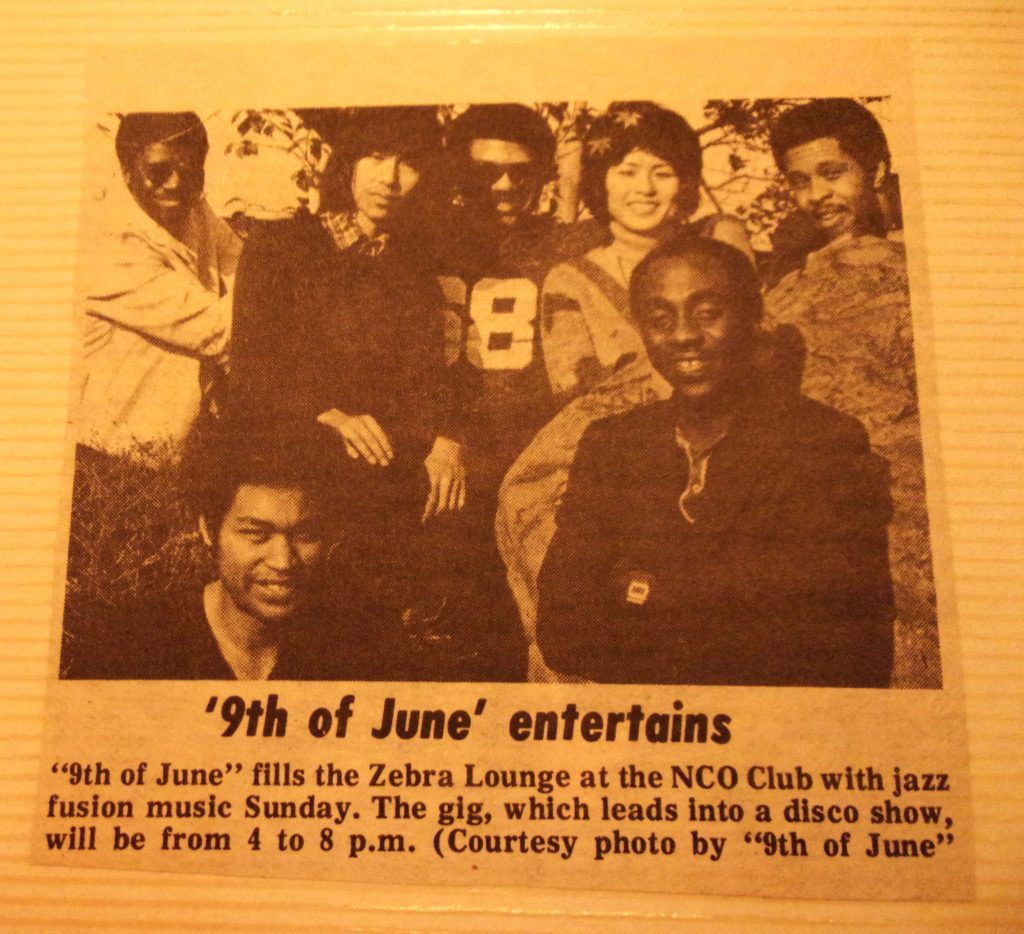
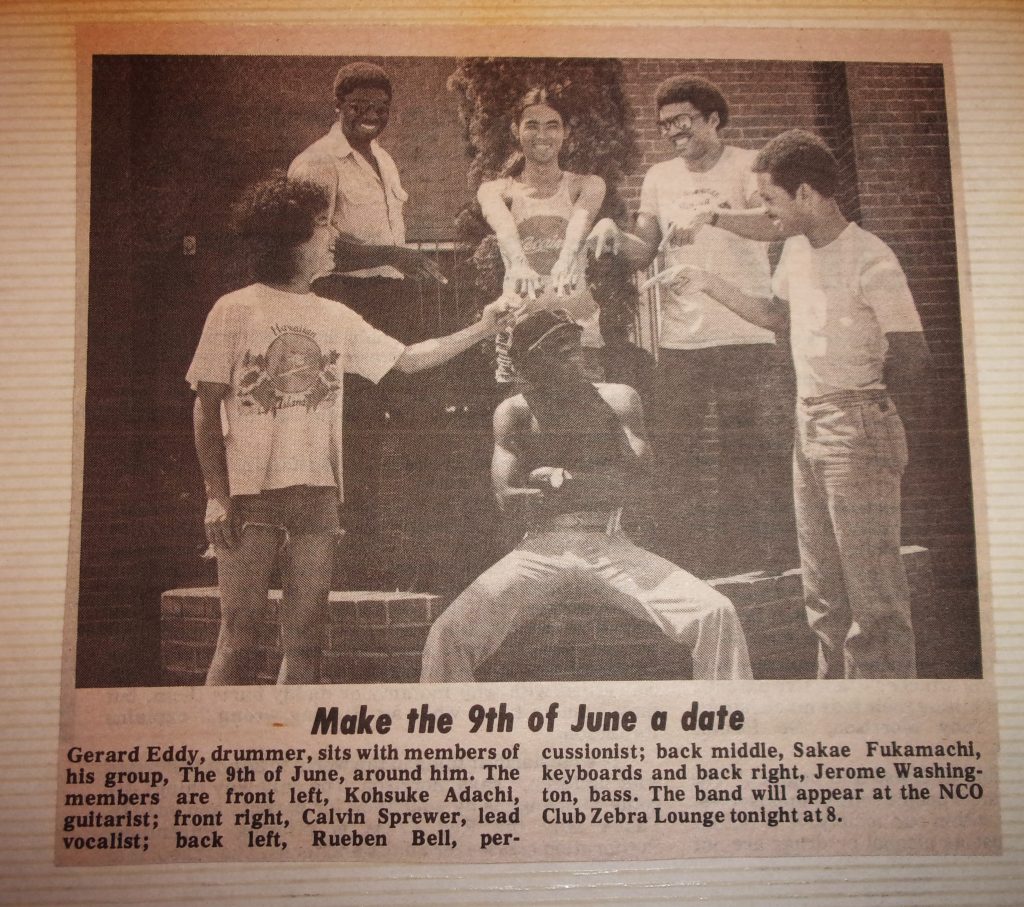
      That band, named the Ninth Of June, was the first true international band that I played in. The band’s makeup was a blend of African-American servicemen and Japanese Nationals; and we played together very well. The guitarist in the early band, named Kenny Moore, was an American and was very good, but his assignment came to an end and he returned to the US. The drummer then found a great Japanese guitarist named Keiji Yoshida, and Keiji stayed with the band until my assignment was over. We got to play together in that band for over a year and a half, and we did some of the best shows around the island of Honshu. I remember the first major concert that the band did, it was held in a nice concert hall in Fuchū. I wrote a new song for the band to play; we had rehearsed it before the concert. We took a little time together as a band at a little pub across the street from the concert hall, I remember being a bit nervous before our show. But one of the other Japanese guitar players that I knew there offered to share a shot of whiskey with me. It was my first shot of the famous Suntory whiskey, only one, and I was able to settle down a little bit before we had to play.

      The concert was really good, and when it came time to play my original song I was ready to do it. It was the first time that a band was playing a piece of music that I had composed before an audience, and I thought it was such a great experience and a blessing to have done so on Honshu Island, Japan. I took my bass solo space that I had written into the song with some real gusto. The band’s lead singer gave me the nickname of “Ironhand” after the song was over. By the way, I never did decide a title for my song, so I named it “Indecision”. We actually played it for the rest of the time that I was with the band, and I was always honored to play it.

      Keiji Yoshida was such a wonderful guitarist in that band. He taught at a music school in Tokyo where he had some 30 guitar students. We eventually played at Keiji’s school as a band; it was a real treat to play music for his students. He was a big fan of the band The Crusaders, he really loved their music. He liked the guitar styles of the Crusaders’ guitarists of that era, namely Larry Carlton and later, the late Billy Rodgers. Keiji also loved the way that the late saxophone player Wilton Felder played, Wilton’s melody ideas and solo ideas were something that Keiji was always interested in and admired. After playing together for about a year, Keiji came to a band practice one day with a new chart with a new song titled “Like Felder” that I just loved. The melody and that song’s sensibilities touched beautifully upon the spirit of The Crusaders music. And in the classic Crusaders style he wrote the main melody of that song to be played in unison with a tenor saxophone, it was just brilliant.

      As the time went by during my stay in Japan, I found myself returning to Three Sisters Music to look for yet another new bass guitar. The same lovely lady at the store showed me another Greco model that was a beautiful custom neck through body design that I really liked. I traded in my first Greco bass that she had sold me for the new one. I just loved this new bass. This lady from Three Sisters Music actually brought her husband along and came on to the installation one Sunday night to hear me play my new bass with the band, it was a fun and memorable night for us all. And it was also at a time when I knew that my bass playing was getting better, I was happy to know that I had progressed some more on my chosen instrument.

      A fellow serviceman helped me find some rehearsal space for the band to practice in on the installation. It was a good spot where we could play at show volumes and not bother anyone. Since there were three male vocalists also in the band, a public address (P.A.) system was needed for these singers. I was given keys to a medium sized van and was shown where to go and get the P.A. system for the band to play through. The place where the P.A. belonged was around an hour’s drive from the installation, it belonged to an audio professional named Aoshi Someya. I liked Someya when I met him, he had a great sense of humor and he knew a lot about the music scene in Japan and in the US. The name of his studio was Alfalfa Studios, and yes, it was named after the popular character Alfalfa from the Hal Roach TV series called The Little Rascals (Our Gang). Someya had several black and white photos of the Alfalfa character all around his studio, it always made me laugh when I would visit him to take care of the band’s P.A. system.

      Among the many gigs that the Ninth Of June played was a weekly night at a serviceman’s club on the installation. The gig was always on a Sunday night, and if the P.A. system was not already picked up by a certain time from Someya’s studio then folks would begin to worry a bit. So I made sure to make the long journey out to the studio a couple of days ahead of time. One afternoon, I had agreed to meet with Someya at his studio at a certain time. I drove the band’s van out to his studio in Musashi-Sakai to pick up the band’s P.A. system. But after ringing the bell to the studio, knocking on the door, and then trying to call Someya from a public phone and still not contacting him, I decided to wait in the van for a little while. But I didn’t stay in the van for very long; I saw a pub nearby that looked like it served food, so I went inside. The local Japanese folks inside welcomed me and I sat at the small bar and ordered a beer for myself. It was a lively pub, and lots of chatter came from the people as they met after their work day and talked about things.

      I was okay with sitting alone in the pub and waiting for Someya to return home. But a couple of curious Japanese guys came over to where I was at the bar, and one of them began to speak with me in broken English. This guy was doing his best to speak to me, and I tried my best to speak with him too. He would translate back into Japanese to his friend what we were speaking about. It turns out that they worked as local newspaper editors and story writers. They liked me and bought more beers, and talked some more. I did eat a little something there at the pub that night, remembering that I still had a long drive home. But my new Japanese friends were happy to speak with me, an African-American foreigner, someone that they didn’t meet every day. The beer kept coming. The big jukebox in the pub was loaded with 45RPM records, and the more folks drank, the more they would replay Bing Crosby’s version of “White Christmas”. You see, it did not have to be the holidays for the locals to play that song over and over again. They just loved it. For me, it was a little out there, but okay.

      A couple of hours later, Someya looked inside the pub and found me at the bar with my new friends. Our eyes met, and he could tell right away that I was feeling just fine, if you know what I mean. He came inside the pub and up to the bar where he immediately apologized to me for being so late. I told him that it was alright, and I introduced him to my new friends. They all spoke to each other in Japanese for a moment; Someya was telling them about my work as a musician, and my reason to visit him. My new newspaper friends were delighted to know this about me as we parted ways. The pub was fun, but Someya would not let me drive home that night. He put me up at his home to sleep overnight; it was such a kind thing for him to do for me. In the morning, he and his wife served me a traditional Japanese breakfast before I left, it was delicious. And the green tea that they offered me was excellent. 

      There are more stories about my working with this band during my years of living on Honshu Island, Japan that I hope to share in some later blogs. To have spent the time in Japan that I did was quite special to me. The people were kind, and the Japanese musicians that I met and played music with were stellar. I’m glad to have done that. Mata aim Asho.

    The 9th of June band in 1979 (front row) Kenny, Jerry (back row) Reuben, Keiji, Jerome, Mikiko, Calvin
    The 9th of June band, Japan 1978
  • The Bass (Originally posted on August 28,2016) 

    The Bass (Originally posted on August 28,2016) 

    The Bass. My love for the instrument goes back many years now. In fact, when I got my first electric bass guitar, the electric bass guitar itself as an instrument had been sold to the public for only 19 years. So, I started early in my life with an instrument that was still relatively new to the general public. 

      Oh yeah, the Beatles and the British invasion had come to America and done their thing, and people bought more and more musical instruments, bass guitars among them. Motown Records and Stax Records were hot too, and their artists inspired many other people to take up an instrument of their choice. There was a lot of inspiration coming from the artists and the music of the mid 1960’s that in turn launched the next movements of music in the country. 

    The LP records that my older sisters bought had us kids dancing and playing lots of air guitar (and bass). I remember some of the names of the early electric bass guitars that I saw as a kid; Gibson, Fender, Hagstrom, Rickenbacker, Kay, Danelectro, Carlo Robelli, Guild; even department store retailer Sears had their own name brand guitar (the Silvertone) on offer. I was seeing the bass being played by both men and women, but at that point in my young life I did not yet own one myself. 

      It’s because my first instrument (after learning to play the flutophone/recorder) was the viola and my future thoughts about it at that time in my life were the reason why I did not have a bass guitar. I was in the elementary school orchestra, and my music teacher was giving me lessons on the viola that were having a positive impact upon me. I mean, I was getting a good tone on the instrument at an early age. My young fellow orchestra players liked my sound. And as the neighborhood kids I went to school with would watch me carrying my viola in its case back and forth from school on the bus, one day they challenged me to play it in front of all of them at our bus stop one morning. 

    It was cold and snowing that day, with a good amount of snow already on the ground, and more coming down. I grew up on the east coast, on Long Island, and the winters there could be rough sometimes. But I was undaunted in front of those kids that morning. I had been practicing my scales and etudes. I had been rehearsing with the school orchestra. And like I said earlier, I had a good tone on the viola. 

      Snowing or not, I set my case down in the snow, and I took my viola out of the case with no hesitation, quickly tightened up the bow a little and then proceeded to play Greensleeves right in front of them all. I knew the song from memory, so I played it down. A good tone goes a long way, and the kids became excited and clapped their hands after I was done playing the piece. 

    That moment and that day put me on the road to thinking that the viola was going to be my instrument for life. From my sixth-grade year going into my seventh-grade year, I began to imagine my future self having finished college with a music degree and dressed nicely in a tuxedo playing the viola with a fine orchestra somewhere and making a good living doing just that. While those were good thoughts to have about a future playing the viola, life has its own way of stepping in and changing the circumstances of how we live out our musical lives. And step in it did. 

    Arriving at my school district’s junior high school as a seventh grader, viola in hand, I thought that I would begin to learn to play more difficult music on the instrument. I noticed this starting to happen in elementary school; the music became more difficult to play with each grade we advanced as students. I was alright with that; I simply wanted to get better, to sound better on the viola. About a month and a half into the new school year though, that’s when life stepped in, and brought along its change for my own musical life, and a profound change indeed.  

      The junior high school orchestra had a good sound to me, and we were learning to play in tune much better than in elementary school. I could easily hear when we were not in tune as a viola section, and if too many mistakes were made, the conductor would then stop the orchestra and make the viola section play their parts alone as a section. This of course would single out those who needed to work on that particular piece as a player or would help to clear up issues like timing. While this was going on, I was concentrating on the viola part in front of me, and I really could not hear the entire orchestra from my chair in the viola section. But my conductor could easily hear the whole orchestra, and he was beginning to have an issue with another section of the orchestra, the upright bass section. Why? Because there was only one upright bass player in the orchestra at the time! Of course, it would be difficult to hear his parts when everyone played. So, what did the conductor do? He asked me privately one day at school to consider learning to play the upright bass. “I can’t hear the bass parts when we play our pieces, and I think that you might be a good bass player if you give it a try.” He added, “If you don’t like playing the bass after the Winter Concerts, it’s ok, you can go back to playing the viola and we will be fine.” 

      Looking at the sheer size of the upright bass made me wonder how the students in the elementary school orchestra were even able to play it. I was used to the size of the viola, and the size of its strings. “Why play such a large instrument?” I thought. But the key to this time in my life was my music teacher, who was also the school orchestra’s conductor. He spoke to me in a kind voice, and it was ok for me to make a mistake on the bass while I was learning to play it. He showed me how to read the f-clef (bass clef), because during my years playing the viola I had learned to read the c-clef (alto clef). I quickly began to look forward to having our music lessons at school, I remember learning the Arco techniques, which is playing with a bow, and how I struggled with trying to get a decent tone on the upright bass. It seemed much easier for me to play the Arco techniques on the viola. One day, during a bass lesson at school, I was holding the upright bass rather far away from my body and holding it like that makes it even more difficult to play. I was struggling that day, and I did not know why. 

      But my bass teacher saw exactly what was going on, and why I was struggling to play. He came up behind me, grabbed the body of the bass with one hand, and my shoulder with the other and brought the upright bass right up against my body. Then he said to me, “Hold this instrument close to you like it’s your girlfriend!” I laughed like only a twelve-year-old kid could laugh, and no, I did not have a girlfriend at that time. But I certainly got the meaning of what my music teacher was trying to tell me. Holding the upright bass close to my body made all the difference in my playing as I could really feel the deep vibrations that emanate from its great size. 

    And the idea of holding the instrument close to my body was not lost on me. From then on, it mattered more to me, in more than just a physical sense. It also mattered in my life’s perspective as I began to love playing the upright bass from then on, that love was close to me too. I stayed with it, and after the junior high school Winter Concerts, I continued to play the upright bass and did not go back to playing the viola. And a year later, I finally got my first electric bass guitar, a Kimberly four string model that was violin shaped like the famous Hofner basses that Paul McCartney played in The Beatles. 

    It’s the beginnings of how I got here, and it has been my life’s instrument. 

    The Bass.

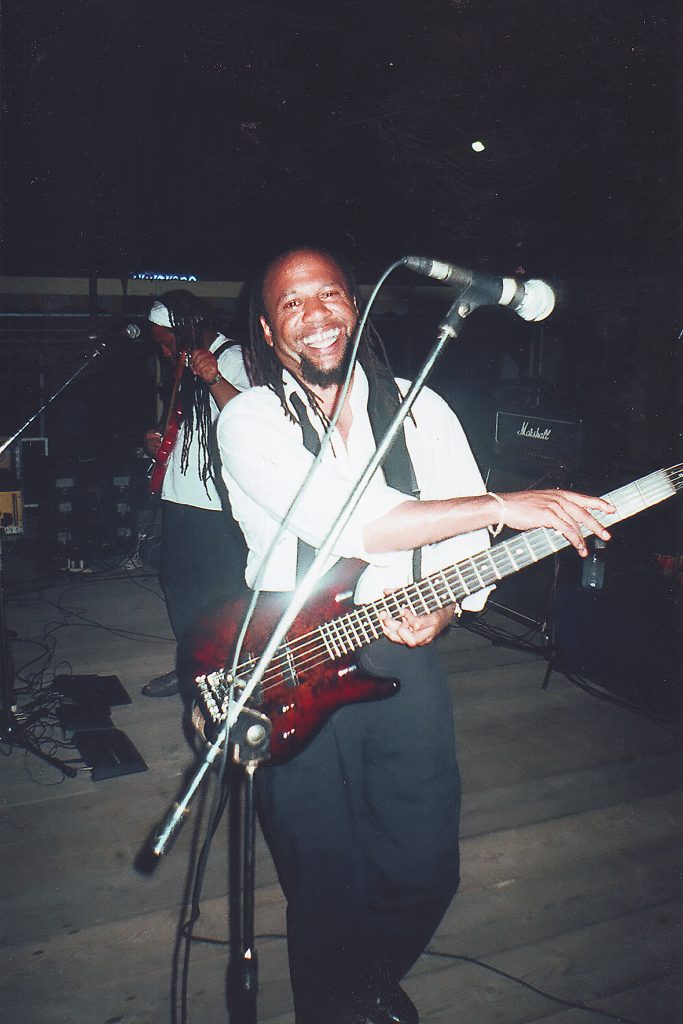
    Jerome Lee in concert in Teulada, Sardinia, Italy, 1998
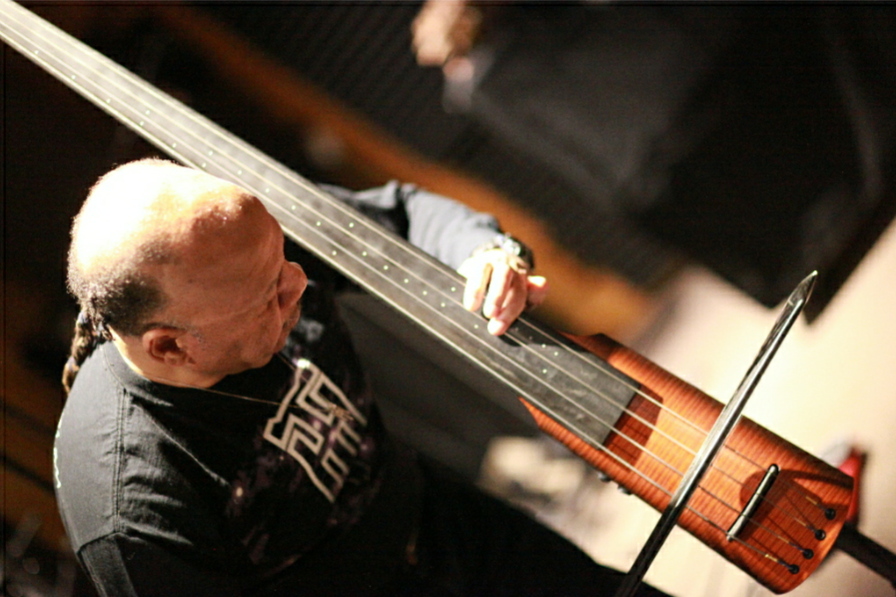
    Jerome playing the Spector NS-4 Electric Upright Bass in a studio in Parker, Colorado 2014
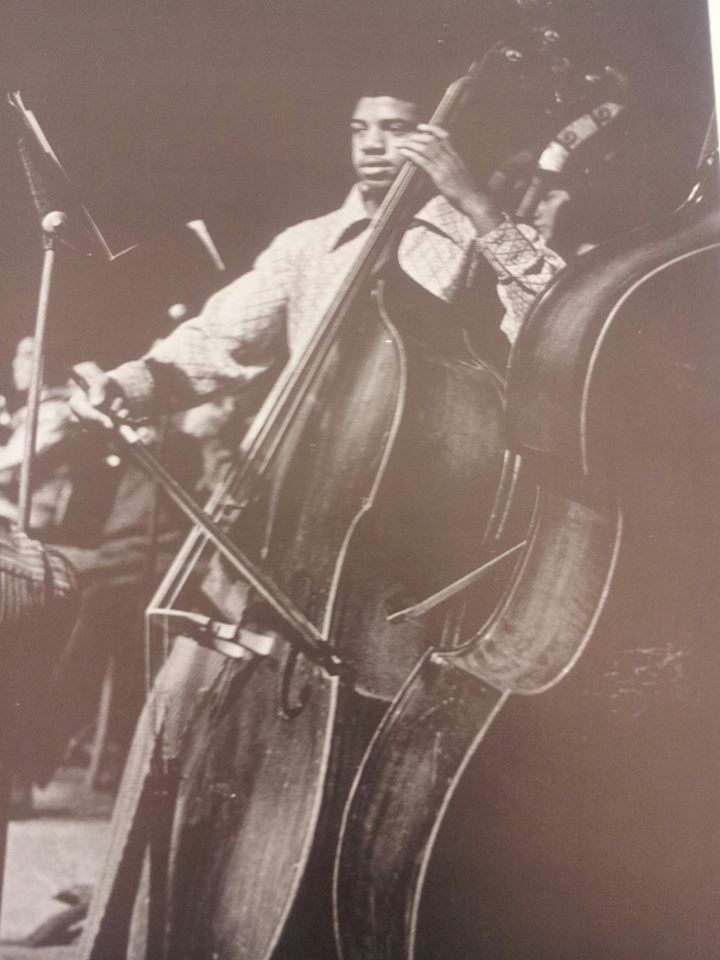
    Jerome Lee in a Farmingdale High School winter concert, 1973