Category: Bass

  • Recording, Tape, and First Recording Date (Originally posted on October 31, 2016)

    Recording, Tape, and First Recording Date (Originally posted on October 31, 2016)

      I was growing up during the early to middle 1960’s era of the exploding growth of consumer electronics, and as a result, I was exposed to a variety of media playback devices. But back then, they weren’t known collectively as media playback devices. Instead, the devices were called what they were in the minds of people; film projector, tape player, and TV set. My older sisters and brothers were trying out and using these new consumer playback devices, usually transistor radios and sometimes tape players. The devices would last for a short while, and then a new playback device would become available that they would begin to use.

      As a result of being around friends and family members who were using these various playback devices, I began to pay more attention to what they were and how they worked. Portable and console radios were a marvel to me at a very young age, and they are still around today. But playback devices that included analog tape as a medium for playback of audio became something of a source of fascination to me. I mean a piece of tape moves inside of the device and I was hearing things. How does that work I wondered? And then, at the age of 14, I got involved in my first real recording session that changed my life in ways that stay with me to this day.

      My first real recording session involved a very nice woman who led the small choir at a local church in the town I grew up in on Long Island, New York. It was a home recording studio that a friend of hers had in their home. I was asked by this woman to play some bass guitar parts onto tape, using a tape-recording machine. The tape recorder was new to me, it was the year 1971 and I found myself feeling strangely excited to partake in such an endeavor. The choir leader then asked me to follow along with what I heard on the tape, to follow the rhythm parts that I heard and play my bass to those parts. We had been rehearsing the songs to be recorded beforehand, so I was not faced with learning new material on the spot at the recording date. But it was still my first official recording, and I did well with handling the excitement of hearing my bass guitar part played back to me for the first time. The tape recorder had a feature labeled on the front of it that was an acronym that read SOS, and I asked what that meant. The man who was operating the tape recorder said that the acronym meant “sound on sound”; he went on to say that we can hear what we are recording to tape while simultaneously listening to playback material previously recorded onto other tracks on the tape.

      While I had a bit of an idea of what all of that meant, I was bitten by the recording bug in a big way. The recording date turned out very well, the adults were pleased with what I had recorded, and I was pleased that they were. Having had my first recording session be a successful one, I began to wonder what a life in recording might be like. I heard records in a new way after that; as I played along with my bass to my favorite LPs at home, I would imagine myself being the bass player for that recording session. I felt a thrill about the potential of hearing my bass playing being played back for all to hear on a record or tape recording. And while I did not begin recording right away at the age of 14, I knew somehow that my opportunity to do so would emerge at some point. So, I really practiced for many hours on my first bass guitar to make sure that I would be ready when the time came.

      As my musical life expanded, I found myself recording with the various school orchestras in my school district and later on, around Long Island. As I remember, the first motion picture films that I saw with me in them were the films taken of the elementary school orchestra that I was in. After the filming session with the orchestra was done, the film editing time did not take very long. The elementary school would then hold an evening assembly some weeks later at the school auditorium that invited all of the parents of the students in the orchestra to attend and to watch the film. But my own musical recording life on the bass began after I had graduated from high school, after the thousands of hours of playing the bass and reading music. All of that practice turned out to be a good thing for my musical recording future.

      During my years in the service, while I was stationed in Japan in the late-1970’s I was part of some band recordings that were made by small Japanese production companies when the band played concerts; and separately by a band member who brought his own reel to reel tape recorder to the band’s regular gigs at the club on the installation we were all stationed at. Listening to those band recordings allowed me to hear what I truly sounded like to each audience, and so I continued crafting some ways towards getting a good live sound on the bass. I really liked listening to those recordings, and back in those days having cassette tapes were the way to go. They were relatively easy to carry around, and there were a couple of decent brands that featured 120-minute cassette tapes that were reliable for recording and playback.

      After returning to the States, I finally did my first true band recording in southern California in 1982. The band that I was leading was rehearsed and ready to go, or so we thought. What we realized in the studio was that our song parts were exposed when recording. All of the little things become big things while recording in the studio. We had done some ensemble recording to a stereo cassette deck at our rehearsal place with decent results. But the recording studio was different in how the recording process put everyone’s recorded part under a microscope so to speak. And in the end, we did well as a band during that recording session. The resulting cassette tape demos that I made did result in my band getting more gigs later on. I discovered that I was delivering a good tone to the 16 track, 1 inch tape machine used at that recording studio. And knowing how to get a great bass tone in every studio that I had the honor to be in after that became a serious goal of mine.

      After I made the move to the Los Angeles area in the mid-1980’s, I was amazed at the many excellent recording studios that I had the privilege to either visit or record in as a bass player. The largest studios in the city were vast indeed; some of them reminded me of walking in a cathedral or a lush and expansive house of worship. And there was a sense of reverence in those big posh studios, I mean the people inside often spoke in hushed tones as to not disturb the recordings taking place in its many recording rooms. They were a special place indeed to be in to record music. My recording abilities on the bass grew expansively during my years of living and recording in Los Angeles. I recorded many demos and some good records for artists while I lived there.

      And what playback medium did I record to during all those years? Analog tape, and every studio was using a multi-track recording machine to perform the tasks of recording and playing back all of the recorded material. I dug into the science of how the process worked, how analog tape was made, and much more. I recorded my own demos that I sent out to many music publishers in the early 1990’s using multi track cassette tape recorders. But just when I thought that analog tape was going to be the future medium for multi-track recording, along came digital hard disk recorders along with the computers that began to change the landscape of recording audio everywhere. And that migration over to the digital recording world began to represent an exciting new learning curve for me, one that I decided to take on. And the future did change in the recording world, and I will speak about that change with you as we go forward. In the meantime, do your best at each recording session, and have fun when you do. 

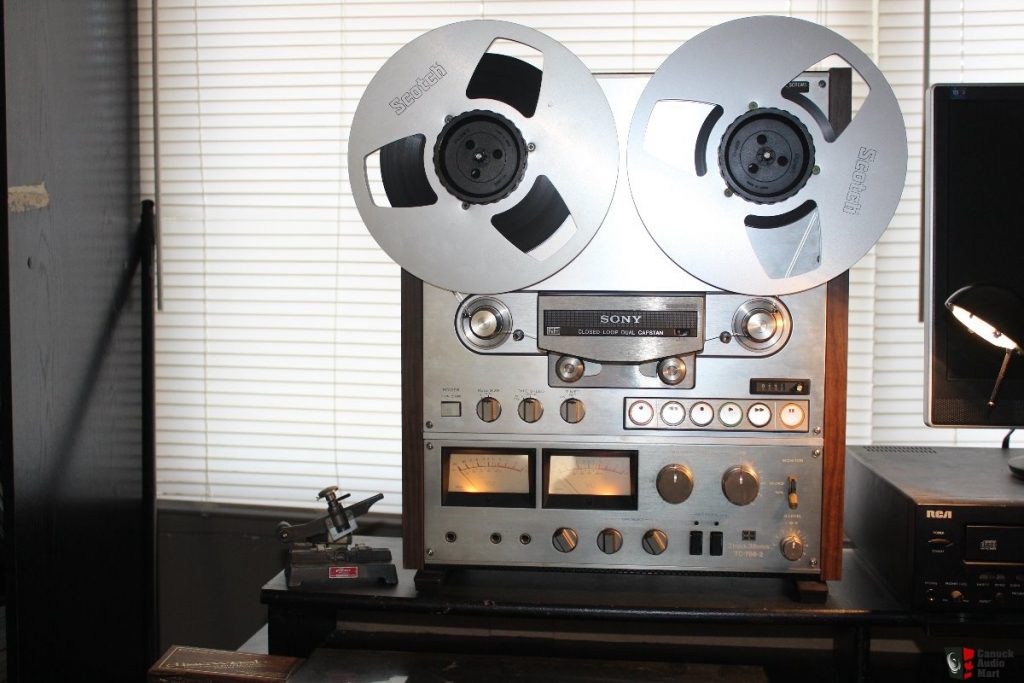
    A Sony TC-766 analog tape recorder
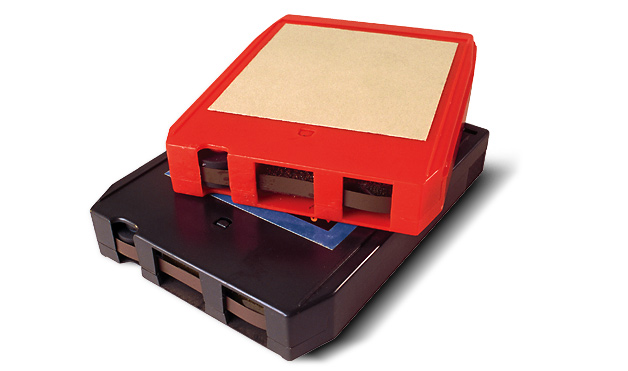
    8-track cassette tapes
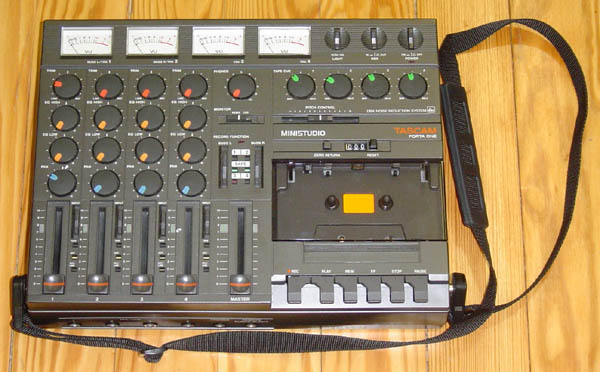
    TASCAM 4-track cassette tape recorder
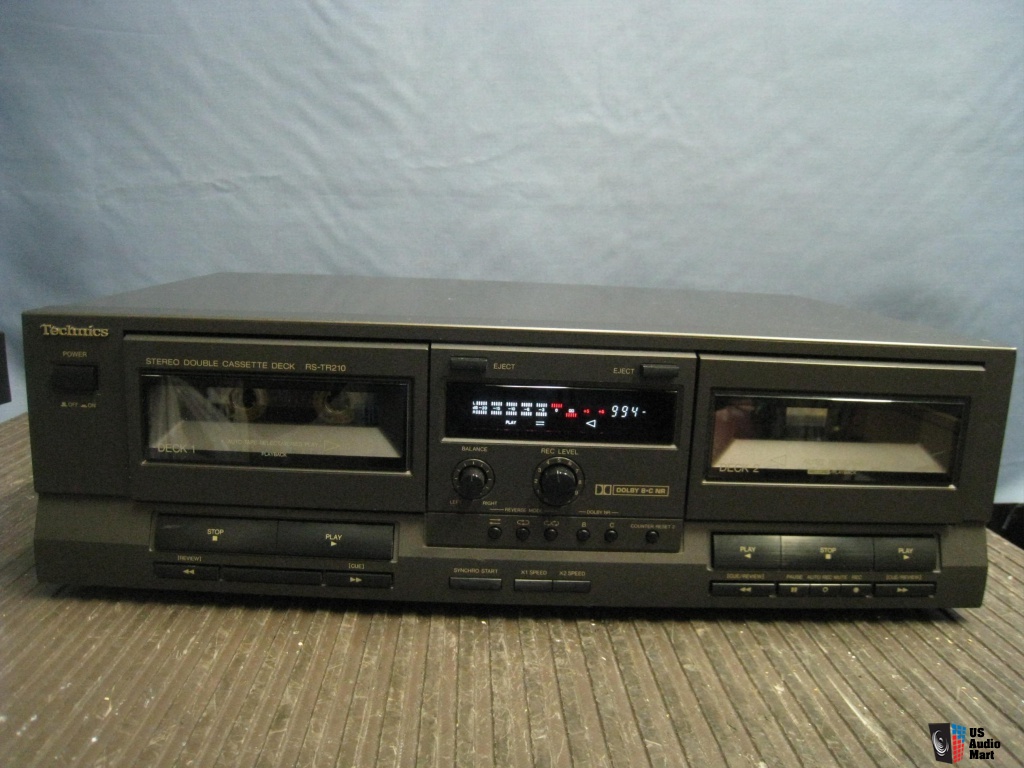
    Technics TR-210 stereo cassette recorder
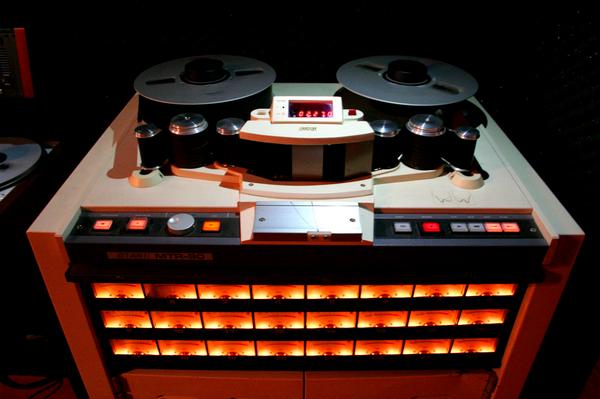
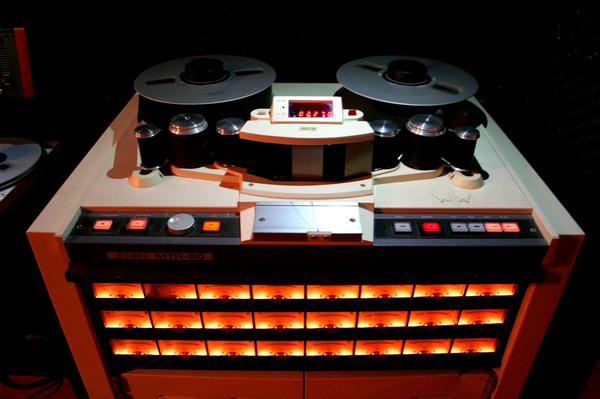
    Otari MTR-90 2-inch 24 track analog tape machine
  • Jerome Lee City – Early Days (Originally posted on October 23, 2016)

    Jerome Lee City – Early Days (Originally posted on October 23, 2016)

      After my year of living in London, I had returned to the European continent and to Amsterdam, The Netherlands. I had enjoyed living in London, and I met some great people while I was there. But living in Amsterdam was different on many levels socially, and while there are the differences in the ways countries conduct their populace’s social behaviors, one thing remained the same for me; it was the music. Playing music on a different continent other than the one that I grew up on was of a great interest to me. I went out almost right away to the numerous jam nights for musicians that took place in the city. I played at a few of the clubs in the city, and got to know some of the local musicians, as well as some ex-patriots who were living there as musicians and artists.

      The open jam nights were fun to play at in Amsterdam, I began to revisit a couple of them during my first year of living in the city. One in particular that I found was at a jazz club called T’Geveltje; it had some of the good Dutch jazz musicians stop by on a regular basis that kept the music flowing nicely there. There was a house piano, and a small set of drums available for the musicians who wanted to play on the open jam nights. I always brought my own bass; it was my five-string with a low B string that I actually introduced into my extending jazz vocabulary; the Real Book and the Fake Book jazz songs that I had learned already were learned on a four-string bass guitar. But to be there at that club playing down tunes from those books on my five-string bass was a blast for me.

      As I got to know more and more of the musicians who lived in the city, I began to sing more at the open mic nights held at some of the other clubs that I would visit. There were a few places that had a soul/r&b open mic night, and some others that held blues style open mic nights. As I kept on singing at the open mic nights, when I was done, I would talk to some of the experienced musicians who encouraged me to start my own band. They told me to start a band that does the songs that I like to sing, and to do my own thing. I did find some musicians who wanted to play the soul, r&b and jazz styles that I liked to play. We got together and practiced for a short while, and the guitar player in that band came up with the name of Soul Touch. With that band name, we did our first gig at a small club/café that overlooked the Waterlooplein in Amsterdam. It was fun and I thought it might last with those guys if we stayed together.

      But as it is with bands, the group members have crazy schedules in their own lives. If they are good musicians, and these guys in the band were, then they are constantly busy with other music projects. I wanted to keep the band going, it was fun to play the music, and it was a good way to bring in some money. I began to think about a new name for this band that I wound up leading, I wanted a band name that people would easily remember. It needed to be something silly, something familiar, something large, and something that I could personally relate to.

      I noticed right away what a scheduling wizard I had to be in order to keep track of which musician was going to play in the band on a particular show. The musicians would come and go; it was a lot of back and forth for me as I dealt with this. I remembered that I grew up around, near, or in a city; I had been around cities for most of my life. And the thing with cities is the people who live there and then move away. People have come and gone in every city I thought. I see musicians constantly coming and going in my own band, so why not a name called Jerome Lee City for this band? I liked the name, and I described to the band members why I thought of that name. They happily understood, and each new musician that played with the band was told of the origins of the name. The musicians liked it, and to my happy discovery the people liked it too.

      Once I had established a band name for my group, it was time to get moving and try to get the name out to those who might book the band for shows. I did the things that needed to be done and took them seriously because this was my biggest income generator. I was going to get out there in Holland and sing for my supper, oh yes, I was. I carefully compiled a band introduction letter; several set lists and even had the good fortune to have some promotional photographs taken of me by a good semi-professional photographer that I met at one of the open mic jam nights in Amsterdam. Once the photos were finished, I set out to try to find as many gigs or shows as I could.

      After I had the press package made for the band, the manager spirit that I had in me helped me to book some shows. By doing these shows, it allowed me to meet some new musicians who were living in Amsterdam. One notable musician was a singer/guitarist Sonny Griffin; he was wonderful person for me to know and to work with. Sonny had his own band too, and shortly after I met Sonny, I did many shows all over Holland with his band. It became fun to mix up our show nights when it came to our set lists; Sonny had done enough shows with Jerome Lee City to learn all of my songs so we would share the lead vocal duties between us. And when I would play in Sonny’s band on his show nights, I would sing a lead vocal on a few songs to give him a break during the show. It was a great musical exchange that we had between us, and we kept that exchange for several years over many shows.

      As Jerome Lee City continued to do its thing as a band, one night at a club in the old part of Amsterdam proved to be a turning point for the band’s journey. It was a great night for the band, the musicians in the band sounded great and the audio was just right. The club was filled with dancers on the dance floor, and the vibe that night was just positive. Right after we were done playing, a man from the audience immediately came up to me and introduced himself as a concert promoter from Sardinia, Italy. His name was Guido Valera, and he was straight to the point as he looked me right in the eye. I was curious about what he was saying, and we sat at a table in the club, and he told me more about himself. I learned that there was a large festival held on Sardinia Island each summer that lasted for over a month. That’s big. Guido told me that he could book at least ten concerts for me that happened during the festival month. I agreed, and we began the process of getting Jerome Lee City booked on Sardinia Island, Italy.

      I spent the rest of that winter and spring of 1998 getting ready for my band’s tour of Sardinia, Italy. There was a lot that needed to be done with insurance, passports, and different nation state departments. Not your normal procedure before a show, and I worked to get all of the paperwork right. Guido came back to Holland in the month of May to finalize our contract; it was good to see him and to work with him. I was given maps of Sardinia, and the towns and villages that we were to play at were highlighted on one large map in particular. I was excited as the band rehearsed and put together the music for the tour. When the time came to go, I was excited all over again to fly with the band from Holland to Sardinia. When we got to Sardinia, Guido was there waiting for us and took care of us for the entire tour. I will never forget the hospitality of the people of Sardinia; they were very giving and kind to us. We did ten concerts on the island that summer, and the band was stunning every night. This happened during July and August of 1998, and it was a tour for the ages for me. I will always remember the people who came to the concerts and showed their appreciation for live music.

      All of this happened after Jerome Lee City had been doing shows for only a year in Holland, there was still much more to come. What a way to begin a musical journey, I thought. I will talk more about this band and its musical adventures in the future. Stay tuned…

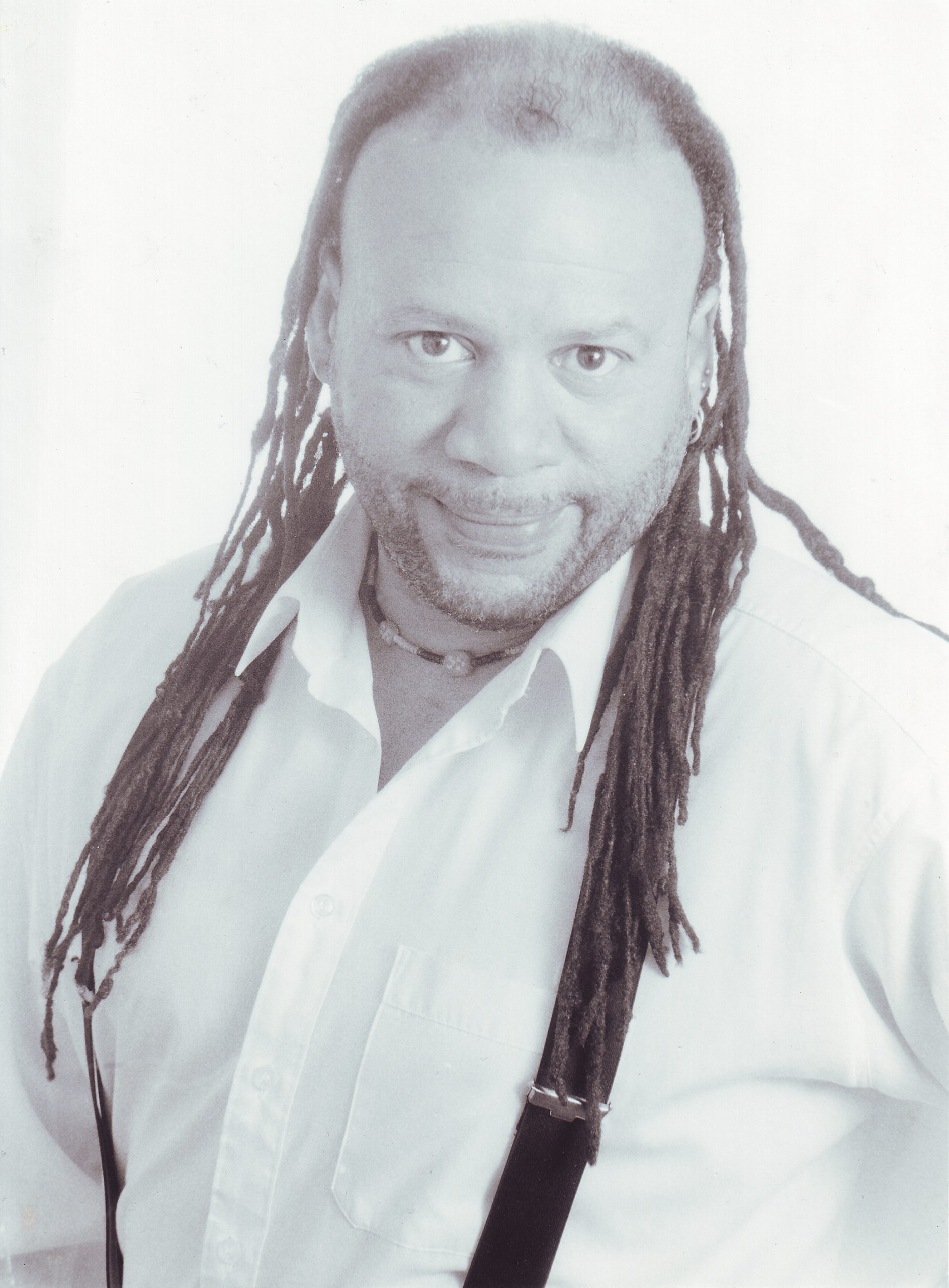
    A promotional photo of Jerome Lee for his band Jerome Lee City taken in 1998, Amsterdam, the Netherlands
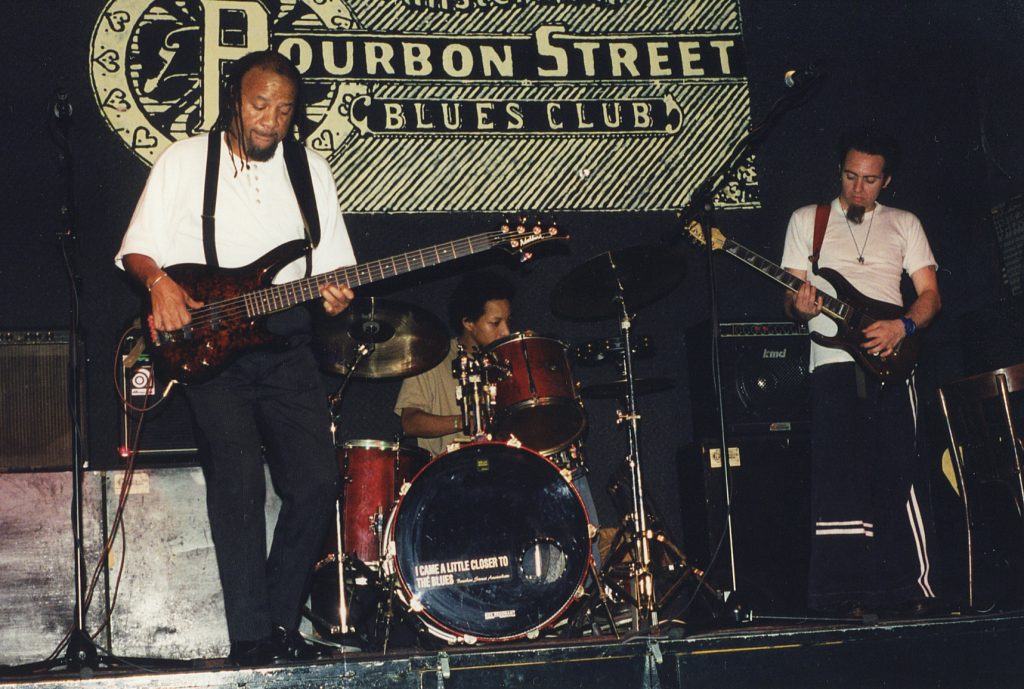
    Jerome Lee leading his open mic night at the Bourbon Street Blues club in Amsterdam, the Netherlands 1999
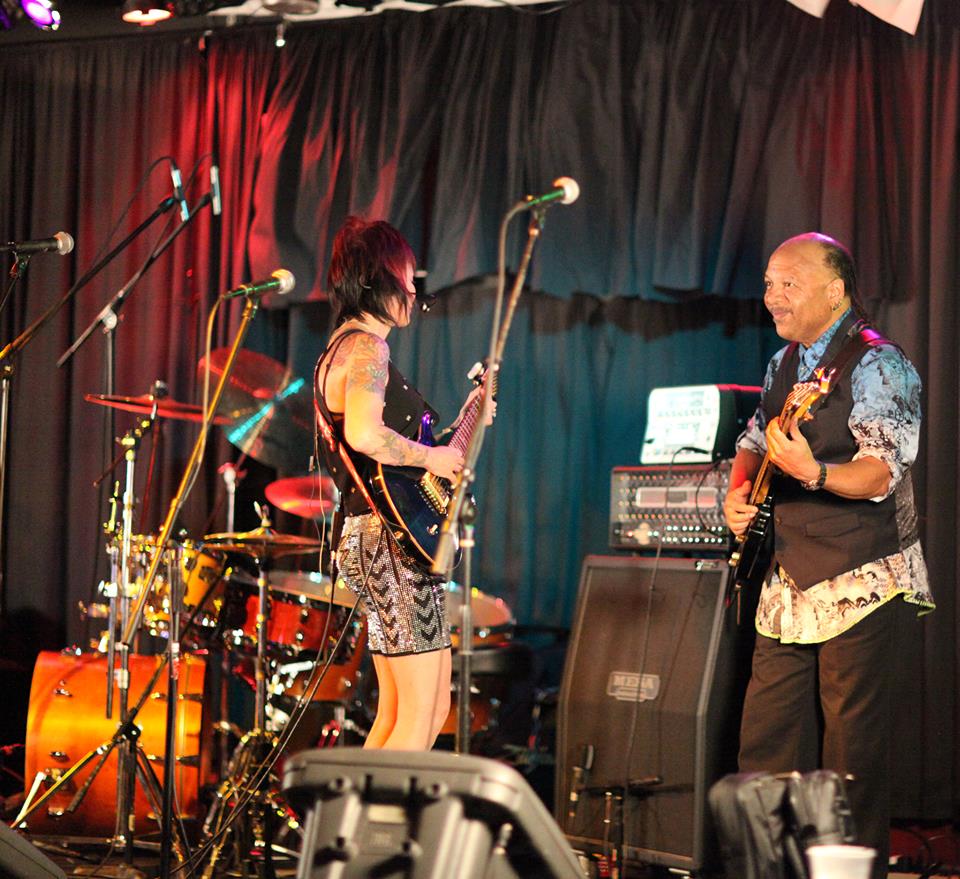
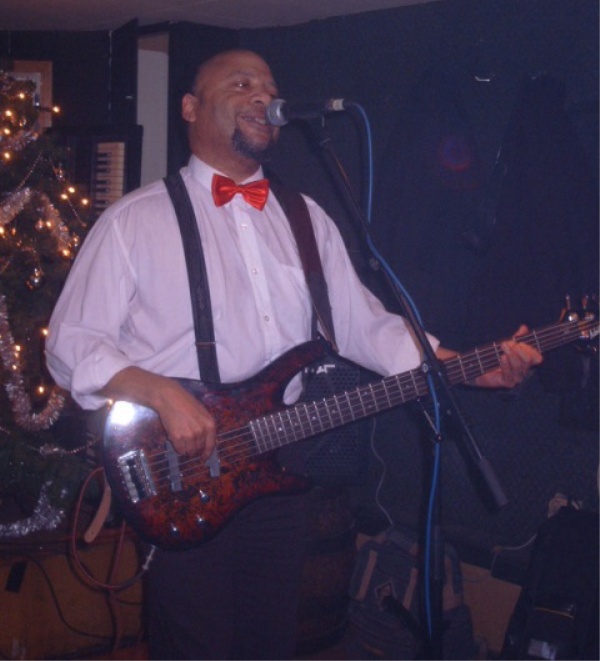
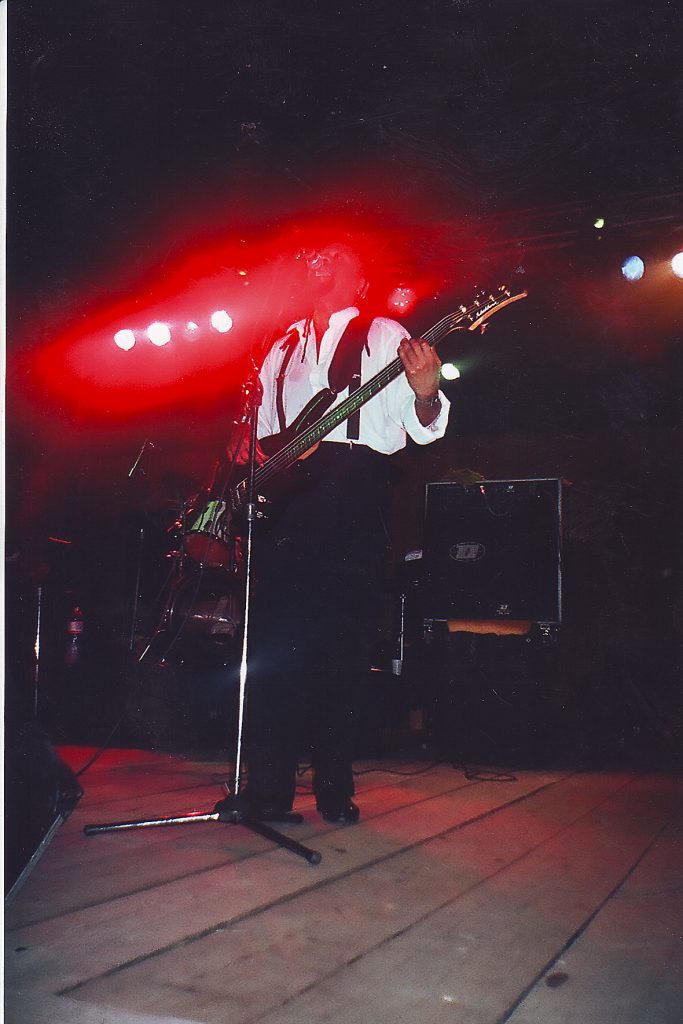
    Jerome Lee performing live with “Jerome Lee City” on New Year’s Eve 2000 at The Last Waterhole in Amsterdam, the Netherlands
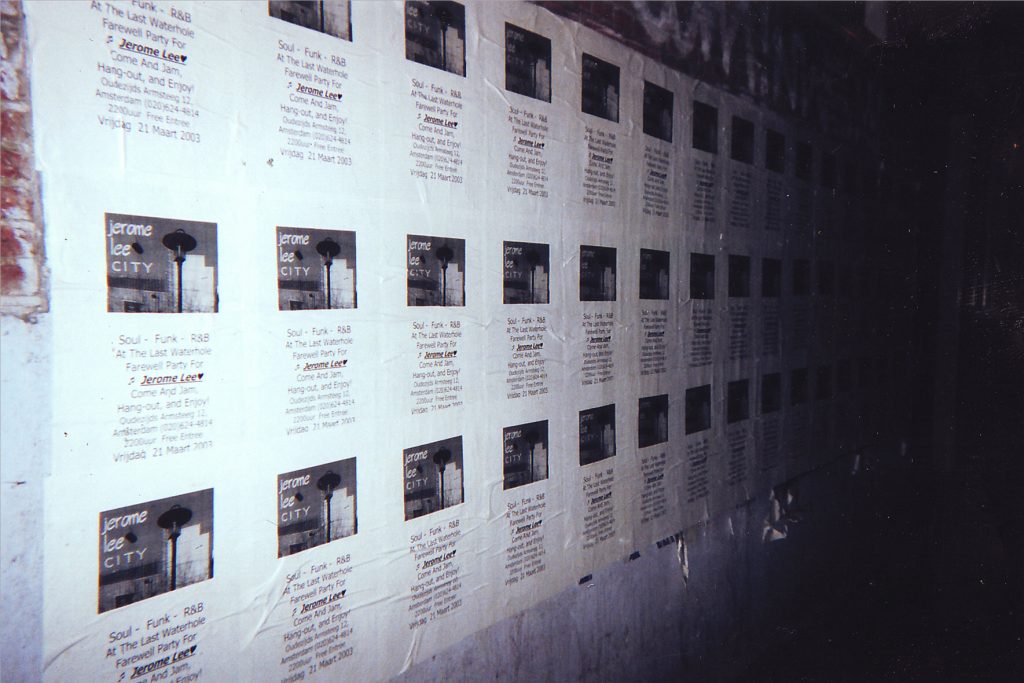
    Posters made up special for Jerome Lee’s farewell party at The Last Waterhole, Amsterdam, the Netherlands, were placed on the walls in the alley outside the club in March 2003
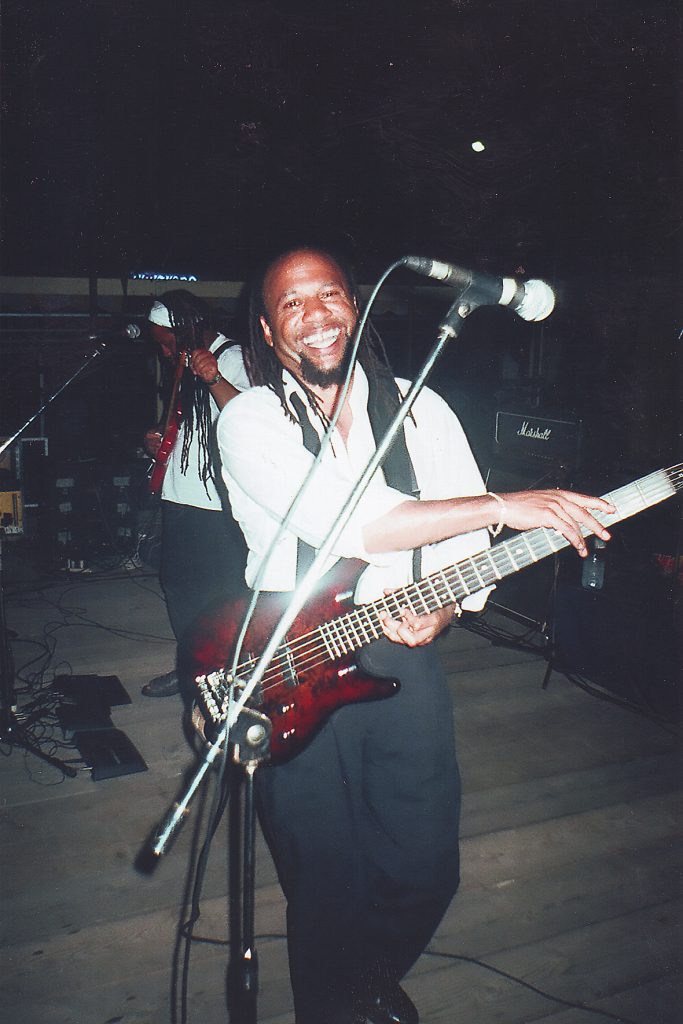
    Jerome Lee leads his band “Jerome Lee City” in concert on Sardinia Island, Italy, 1998
    Jerome Lee ending his solo feature in concert while leading his band “Jerome Lee City” in Sardinia, Italy, 1998
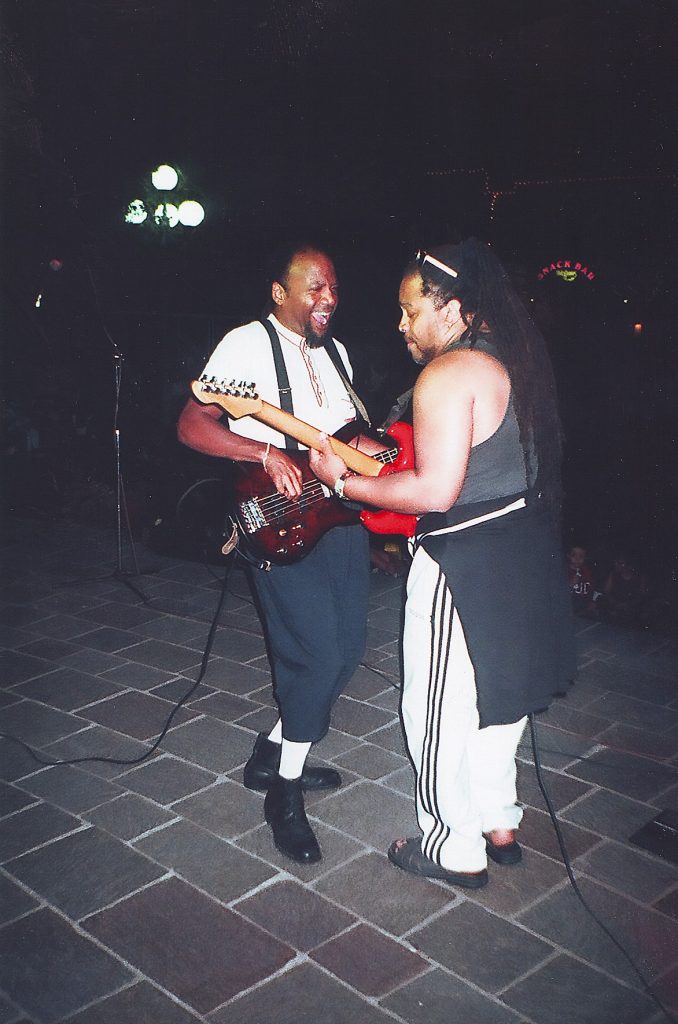
    Jerome Lee with guitarist Niki Buzz in concert with “Jerome Lee City” in Teulada, Sardinia, Italy, 1998
    Jerome Lee leads his band “Jerome Lee City” in concert in Sardinia, Italy in 1998; band introduction by Guido Valera
  • 4, 5, 0r 6-Stringed Basses – Which One? (Originally posted on October 16, 2016)

    4, 5, 0r 6-Stringed Basses – Which One? (Originally posted on October 16, 2016)

      Four strings or five? Or more? That was a popular collective shout from the bass guitar playing community in the 1980’s that I heard loud and clear. How many strings on the bass would make a bass player a bass player, folks began to wonder. In the advent of the manufacturing of extended range bass guitars during the mid-1970’s and into the 1980’s, a plethora of new basses with this new range extension began to hit the market. So many new bass guitar builders came on the scene, and many of those builders are still with us today. There was choice for bass guitar players indeed. One could purchase a five stringed bass guitar with either a low open B string or a high open C string. The six stringed bass guitar became quite popular too; it had the extended range that included both a low open B string and a high open C string. For many, the six stringed bass became their bass of choice, and there are plenty of great bass guitar artists out there who have some fine solo and ensemble recordings using the six stringed bass guitar.

      I grew up in a four stringed bass guitar world myself. Back in my youth during the late 1960’s and early 1970’s, going to the music store was always a fun adventure. I always did and still do like seeing so many bass guitars all in one place. But even with the several brands being sold out there, all of the bass guitars were of the four stringed varieties. Also, all of the bass guitar players who had risen to prominence in the music industry during those days were all four stringed bass guitar players. When I think about it, about the only five stringed basses that I saw in the music stores in my youth were not even bass guitars, instead they were the upright electric basses built by Gibson (the Baby Bass), and the Ampeg Azola (the Baby Bass designed by Steve Azola). As I remember it, both of these upright electric basses were extended range basses as they either offered or included a high open C string on these models. The exceptions that I also saw were the six stringed Fender VI baritone guitar and the six stringed Danelectro Longhorn baritone guitar. Definitely different to me, I didn’t envision myself playing an extended range bass at that time, but I thought that they sounded good.

      It wasn’t until the mid-1980’s that I got to experience playing an extended range bass guitar. One of the bands that I was in during my days of living in Los Angeles actually had two bass players in the band. The other bass player in this band had a five stringed bass guitar with a low open B string on it that was built by Fodera. It was a beautiful bass guitar, and he got an excellent sound from it. When it came time for this particular band to record in the studio, the other bass player in the band offered me his Fodera bass to try on a song that he thought I would have an easier time playing, as he himself did not like so much what he was doing with the song’s bass track. So, I gave it a try, and lo and behold, I liked it. I did like it. Firstly, his bass was so well constructed that it was very easy to play. This gave me some good confidence as to what to play for the bass track on the recording. And further, I very quickly learned to understand what the notes were on the low open B string that his bass had, and how those notes related up and down the neck to the other strings on the bass. In short, it all made sense to me right away, and I was glad to realize that I could learn to play an extended range bass guitar rather well with some practice.

      As the 1990’s arrived I was still living in Los Angeles, and I found myself playing in a terrific modern jazz band that had gotten a record deal and was bound for the studio. It was to be the second, or sophomore recording as it’s known, for the band leader. I arrived at the studio with my four stringed basses, and one of them was a rental bass that I wanted to try on one of the songs to be recorded. As we began to go through the songs, it became evident to the band leader that the bass guitar parts he had written out were in need of an extended range bass guitar. His charts needed a bass guitar with an open low B string extension for the bass parts to truly work and sound right. As I did not own a five stringed bass at that time, one of the well-connected guitar players in that band came up with a solution for me. He called some folks that he knew at Washburn Guitars, and he let them know what the bass guitar situation was for me. The people at Washburn Guitars responded very warmly and kindly to his request. They asked him to stop by at a location in town and pick up an extended range bass guitar that they had recently built, one that featured a low open B string. He did and brought it to the recording studio where we were to meet and continue making the band’s record.

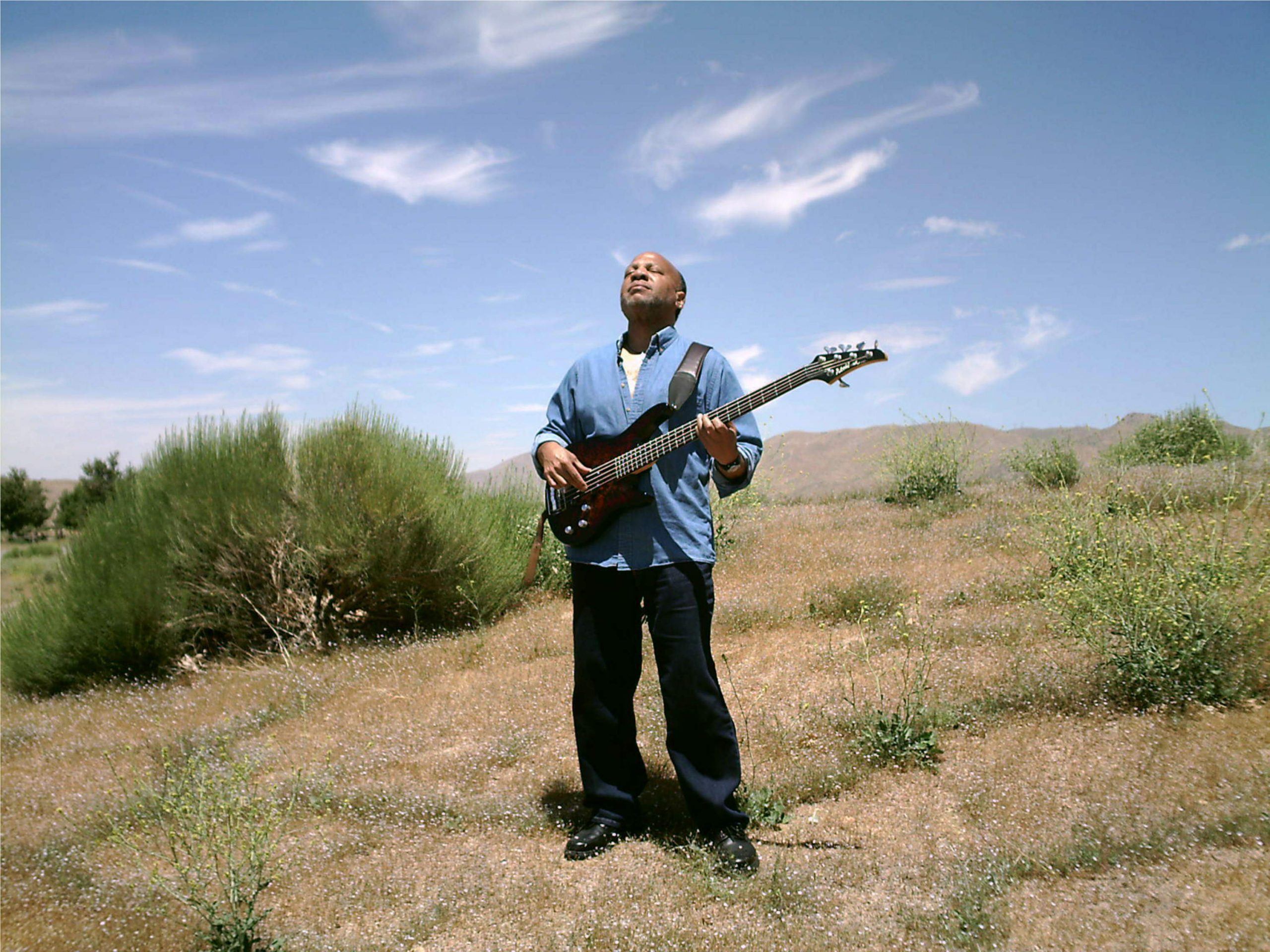
      The bass that the guitar player brought to the recording studio for me to try was a Washburn XS-5 series; it was a five stringed bass guitar with a low open B string. This bass was beautiful to look at, it sounded punchy and nice, and it had an original snap sound to it as well. The strings on this bass were also a little closer together to each other than I was used to, in other words it had tighter string spacing than my four stringed basses. But that too was ok with me. I was very thankful to the guitarist for bringing me this bass to play, and I agreed to keep this bass almost right away. It was the beginning of my first endorsement deal too, it was with Washburn Guitars, and it lasted for one year. Since time was of the essence while recording in a recording studio, I got right down to the business of getting all the bass tracks for the band leader’s recording done.  

      Since that recording, I have stayed with playing my Washburn XS-5 five stringed bass guitar. I also did a studio session in the early 1990’s in Los Angeles for a great blues band; and it was the first time that they had ever had a five stringed bass played on any of their recordings. This five-stringed bass traveled the world with me for many years; it became a trusted companion that I would depend upon for all of the music that I played. And with other bands, I did play a six stringed bass guitar that they had for me to play on a couple of their original songs.

      But funnily enough, I began to long for playing a four stringed bass guitar again. So, over the last few years now, I have acquired a four stringed Fender Jazz bass and a four stringed Dean acoustic bass guitar. Both of these four stringed basses keep me close to my bass playing roots, and there are some songs that I compose only for my four stringed basses. It’s funny how things have changed in the bass playing world over the years since I was a kid. But to be honest, I have been glad to receive these changes in my own bass guitar life with an open musical mind and an open musical heart.

    Jerome Lee with his 4-string Greco bass guitar purchased in Fussa, Japan in 1979 in Apple Valley, California 1984
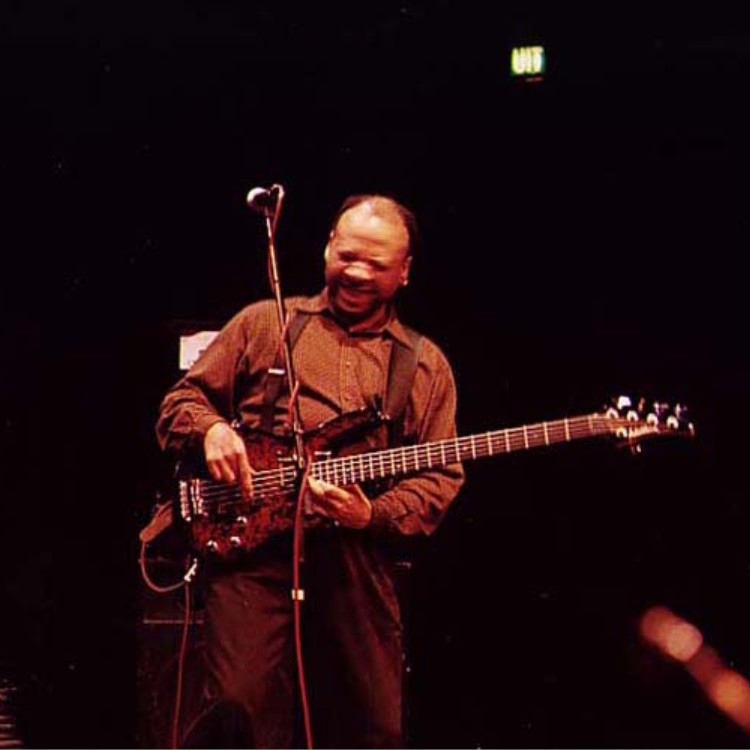
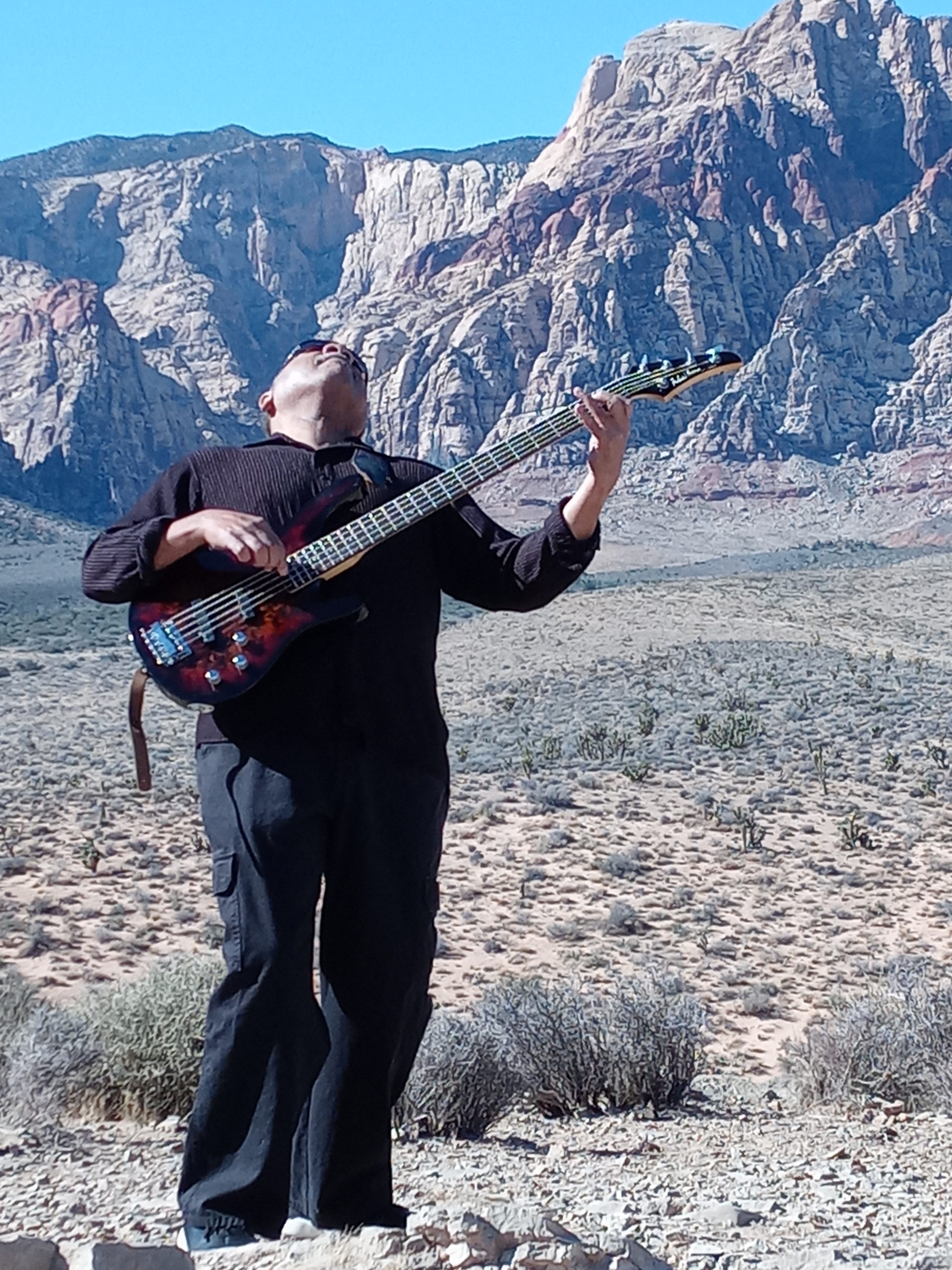
    Jerome Lee playing his Washburn Axxess XS-5 5-string bass guitar at a video shoot for Ghost Embrace in Englewood, Colorado, 2014
    Jerome Lee playing a 6-string fretless Ibanez Artist Series bass guitar in concert in Las Vegas, Nevada, November 2009
    Jerome Lee playing a Custom 5-string acoustic upright bass at a private party in Las Vegas, Nevada, February 2010
    Jerome Lee playing a Steinberger NS-4 electric upright bass in a studio in Parker, Colorado 2014
    Jerome Lee with his Dean EADC 4-string acoustic bass guitar in Las Vegas, Nevada 2015
    A Fender Squier Jazz Bass circa 2003 owned by Jerome Lee