Tag: music

  • October’s Groove Release (Originally Posted on January 2, 2018)

    October’s Groove Release (Originally Posted on January 2, 2018)


    Growing up, as the months of each year rolled by, I began to take stock and pay attention to each month in particular. I actually learned to focus on each month of the year and prepare for the following month from the years that I spent in sports. Especially my time in organized sports in high school, each month held its own importance for the sport that I participated in.

    The spring months held their own sporting events that were particular to that time of year; particularly baseball, softball, lacrosse, tennis, and track and field. I played lacrosse for a few years during the spring months in my early high school years, but not as a junior or a senior student. The summer months were extensions of the previously mentioned sports, but I knew for me that as the autumn grew ever closer it was time to prepare for the upcoming football season. And autumn’s arrival found me playing football each year in high school, but I was also aware of the approaching winter season, which for me meant getting into wrestling shape. When the wrestling season was over it was the start of spring, and the cycle would start all over again for me and my high school organized sports life.


    When high school was over, I began to look at the months of the year in a different light while I was in the service. But at that time, I began to travel to places and countries that I had never visited before. Traveling to these different countries and nations began to show me how the people of those nations moved with the turning seasons of each year, and I began to see how people in different nations receive the changing seasons, month by month. It was fascinating to learn how the people of different nations reacted to each month of the year in their own style, and also at the pace of their own nation.


    After my time in service, my life in music took hold of me and the months of each year took on a new significance as a musician. As a musician, I would play events and festivals in several different nations during all of the seasons over the course of a year. I played bass at events and festivals that marked each yearly equinox, and events and festivals that celebrated milestones particular to a given nation. To do this as a musician showed me that the months of the year have their own certain rhythm, or pulse, with the people of the world. Winter months appear to have a slower pace to them than some the other months of the year, but they have their own pace, nonetheless. The other seasons of the year, spring, summer, and autumn appear to have a more upbeat pace to them, and I saw this apparent upbeat pace reflected in the events and festivals that I would perform at as a musician over the years.


    When I talk to people about the months of the year, they have their own favorite month; usually it is the month of their birth, but not always. For me that month is the month of October. While the other months of the year have their own pace and tempo, October has a pace and tempo all its own. Over the years that I have traveled the world as a musician, some of the most memorable events and festivals that I have performed in have been during the month of October. For many people and for many nations it is a time for harvest, and a gentle promise from the earth that the summer heat is behind them. It has been, and is, a time of joy and celebrations around the world for millions of people.


    Which brings me to the title of my latest single song release titled “October’s Groove”. This song is an up-tempo instrumental that is inspired by this special transitory month. After playing many autumn festivals and celebrations around the world as a musician, I wanted to pay tribute to this singular month.


    “October’s Groove” was a couple of years in the making. It began with the bass line that I had to teach to myself and learn from scratch. I have been working out some new fingering techniques on the bass, and learning to play them led to me finding the basic chord structure of the song. I had never played the bass like this before on a recording, this bass line that I came up with is new even to me. And that’s part of what makes music so exciting in my life, the opportunity to try something new and challenging on a new recording. This lower bass line part that I came up with makes this new song sound fresh and filled with the joy that I feel for the month of October.


    Solo wise, I decided to open up a bit during the solo section of the song and let the joy of the song give me a nice foundation to share my solo ideas. I left it open and free, with the joy intact, and I am very happy with the results.


    Percussion-wise on the song, I did the drums and some small, programmed percussion parts. But there is some sweet cowbell and hand splash cymbal work performed by my late friend Thomas “Block” Atkinson that compliment this song beautifully. Thank you for your music, Thomas, I miss you very much, Rest in Peace.


    It is my wish that you listen the new single of mine titled “October’s Groove” at your leisure and know that it was a joy for me to create for you. I believe that it is a song that will lift people’s spirits any time of the year. And the spirit of the magical month of October shall remain with this new groove for you! Enjoy…
  • Wealth (Originally posted on September 7, 2017)

    Wealth (Originally posted on September 7, 2017)

    Wealth. When people use the word wealth or refer to having wealth, they are most often referring to having a great deal of money. Or they are referring to having an abundance of material possessions like homes, automobiles, clothing, gold, paintings, and further expensive objects or items. Then there are people who cherish their stock market values and hold dear what their stock value means to them. Obviously when the stock prices rise to high levels, people feel even better about their own stock values, but when stocks fall to lower levels people feel less than enthusiastic about that type of occurrence as it directly relates to their own stock value.

    In many nations around the world, a person’s financial or material wealth is often used as a barometer to place themselves within the hierarchy of a nation’s social status. The more financial or material wealth that they have or accumulate, the better the social placement within the society in which they live. People often perceive their financial or material wealth, or lack of it, as something of a social marker among people within societies in many nations around our world.

    This attraction to financial and material wealth among societies within nations around the world has become stronger as human existence has evolved. It appears to have started very early on in the human experience, and history books are abundant with stories about those who have accumulated great financial and material wealth within societies over many millennia. This phenomenon of accumulating financial and material wealth only appears to continue as the human existence moves forward. There are even those people among nations of the world who are proposing that laws should be written that will penalize other people who do not, or cannot, accumulate what they deem as a sufficient amount of financial or material wealth during their lifetimes. And that to me, is a very frightening proposition to bestow upon people’s lives as they try to exist with the precious gift of life that they have received.

    But thankfully, wealth is not only measured in the abundance of money or material goods that one may possess. Wealth can and is also measured in many other ways that have nothing to do with the material goods or financial standing of an individual within a nation’s society. When we realize this, we look at the intangible gifts that a human being has and is shared among all of us during our lifetimes. We hear the kind, non-judgmental voice of someone speaking with us when we are feeling down that brings a soothing, healing effect to our psyche. We hear the singing voice from a person who is not materially well off soothe us, bring us joy, and produce a wonderful experience for us which then leaves us with a wonderful memory.

    We feel the touch of someone that also helps bring us to a better state of mind when we are in pain, whether emotionally or physically, and thankfully there are many volunteers working within organizations in many nations around the world who do this for us on a daily basis. Sometimes it is simply in the form of a sincere hug, or a hearty handshake, that can bring us to a more positive mental or physical state. We hear the music coming from a busker, or street musician, playing songs that take us away from the troubles or issues in our minds if only for a moment. It is difficult to place a monetary value on these things, in fact, I believe that it is impossible to do so.

    I personally have never been in a place of abundant financial wealth or material wealth during my lifetime. Instead, I have placed great value on the intangible skills and gifts I have been given as a human being in this world. I worked very hard on achieving a proficient level of making music for other people to receive. I have also worked very hard to achieve a proficient level of technical expertise in the various technical endeavors that I have undertaken within my lifetime. Because of the fact that I have not withheld the knowledge that I have accumulated during my life with these endeavors, and instead desired to share them with other people, has brought me to a state of inner wealth that can neither be described, nor taken from me.

    The inner wealth that I speak of comes through this sharing of experience that I have received with other people. While I was in the military service, after attaining a high level of technical excellence within my chosen technical vocation, I was able and more than willing to share this knowledge with other military service members who were working in the same technical vocation that I was. It was important to me to keep people safe at what they were doing, and to protect the service’s assets, and this allowed other people to remain safe as they worked within their service lives and careers. This in turn allowed my particular branch of military service to work to maintain peace in the world, which surprisingly, is what the military services want more than conflict with other nations or peoples.

    My inner wealth has also been realized in my many years as an audio and backline instrument professional. I have read many, many technical manuals, and I have had hundreds of experiences mixing audio on a professional level at music and corporate events, as well as working in musical instrument backline support for many music events. I took the time to help teach the personnel at a musical instrument backline company I was working with how to work with the MIDI protocol and how it applied itself with the use of professional digital keyboards, drum machines, sequencers, tone generators, and digital audio samplers. As an audio professional, I worked with another stagehand company teaching their young stagehands the safety and workings of audio devices and audio apparatus they would be working with. This led to me writing my own basic audio connector course that covers the most commonly used audio connectors in the world. I have shared the different sections of my audio connector course with the audio stagehands that I have worked with over the last few years at no cost to them.

    The inner wealth that I possess as a musician has also had a positive effect on other people around the world. I have been fortunate to have been able to be a music teacher to other musicians in my lifetime, and I have been able to have done this on the islands and continents that make up our beautiful planet. To me, teaching music is something very special to share with other people who also wish to share their own music with others. And no, I did not accumulate great financial or material wealth by doing so, but I maintain the belief that having done so cannot have a monetary value placed upon it.

    There have been some gentle reminders bestowed upon me by those with great financial or material wealth who have attended some of the music shows and music events that I have participated in over several decades. Some of these people have spoken to me after a music show or music event is over and have relayed the fact to me that while they do possess great financial or material wealth, they cannot express themselves musically as I do. And sometimes, they have mentioned the fact that they wished that they had continued their music lessons on their chosen instrument as a child, so that as an adult they could have been able to express themselves musically as I just did in their presence. Having people of great financial and material stature share those kinds of personal thoughts with me has always been a reminder to me of the actual intangible wealth that I possess, and how special of a gift it is to have.

    The fact is, when it comes to inner wealth, I know that I am not the only person who feels this way about myself. Thankfully, there are millions of other people out there around our world living the human experience who do not possess great financial or material wealth, but their inner wealth and what they share with the people of our world cannot have a monetary value placed upon it, ever.

    Knowing the difference between having financial or material wealth, and realizing one’s own inner wealth and gifts, is truly where the treasure of the human experience resides. So, know that you are truly wealthy, from the inside, each and every day of your life.

  • Radio (Originally posted on July 31, 2017)

    Radio (Originally posted on July 31, 2017)

    Radio. That word to describe the invisible transmission of radio frequencies through the air, from a transmitting device to a receiving device. That word was once very new on the lips of people around the world, most notably in the second half of the 19th century. In America, new companies sprang up and used the word ‘radio’ often, in a way to inform the public that they were part of the new emerging trend sweeping the nation and to attract new customers to their businesses. Back around the turn of the 19th century to the 20th century when radio was new to the general public, there were no morning drive DJs, no overnight soft music shows or anything of the sort.

    In fact, back during those times Morse Code was often used to communicate with listeners. During the run up to World War I, the US government was fearful of many things, so one of the things that they did was to shut down many foreign owned radio stations that were transmitting in Morse Code in foreign languages. It showed the power of the new nascent radio medium, and it was a sign of things to come for societies not only in the US, but worldwide.

    Fast forward several decades and soon millions of people were enjoying the radio medium. Radio used to be one of the most important ways to get news or sports, to hear new music or to hear plays or shows when they were first aired. It remained a first alert system for emergencies of all kinds to warn people to get out of harm’s way of impending threatening situations. Radio was a masterstroke of an invention, and it stirred people in ways that were not imagined before its invention.

    When I came into this world and learned as a very young child what radio was, I was absolutely fascinated with it. Being so young, it was like magic to have someone turn a radio on, start listening to music, and not see anything entering or exiting the device at all. It just floored me at how something like that could actually work. When I got a little older, in my early teens, I knew and felt the feeling of celebrity associated with the people well known in radio; certainly, the musicians who I heard play and sing all of this great music, but also the DJs that I heard who announced and described the music in many different emotional tones, tones that often matched the style of music that they played.

    As a teenager I had begun to associate getting one’s music played on a radio station as being something very special. And I still do today. For me, to have any of my works played by a radio station programmer or DJ evokes a warm, special feeling that runs very deep within me. But back when I was younger, I celebrated the local or regional musicians and singers who received radio airplay as it was quite a powerful thing to happen to one’s career.

    Growing up, so many of my family and friends listened to the radio, and I did too. There was plenty of music to listen to, and often times the message in the music coming from the radio reflected the times that we were living in. There were many who sang out about injustice in society, and those songs were hit songs to the people and were not about what the chart position said, or even if the song was on a chart at all. Music on the radio gave many people the feeling of being “up with the times”, it was what was talked about at get-togethers, parties, and most places where folks would gather.

    As I grew into my late teens and my early 20’s, I began to feel like I had put in enough time with my chosen instrument, the bass, to play on a recording that would be suitable for radio airplay. When I lived in Japan, I was told that some of the performances that I had taken part in with music bands were broadcast on some of the local stations near the area of the shows that we did. I wished that I had heard any of those broadcasts, and while I didn’t, I was very glad to know that the music I was a part of had been broadcast out to the public. Knowing that this radio airplay had taken place for me in a foreign country made me absolutely tingle inside. A great feeling indeed.

    Later on in my later 20’s and my early 30’s during my days of living in Los Angeles found me playing with some really good original bands. I loved being a part of an original band’s sound, it is very difficult to describe how that feels, how coming up with such a singular sound is achieved. The effort to make that happen did pay off for those bands as they did garner airplay in the Los Angeles area. To hear the music I’d helped make being played over the air on some of the big market radio stations in Los Angeles during the late 1980’s was a marvel to me. I felt so great when I heard the music from those bands I was in being played on the radio. It was at that point in my life that I began to want to create my own music with the hopes of having it air on the radio. A feeling inside me wanted me to continue the journey of creating the best music that I could and have it suitable for radio airplay.

    My interest in radio had also become very strong on a personal level, and I wanted to use my own voice to announce and describe to the music listeners what they were about to hear. So, I answered an ad to work as a DJ at KCLA FM in Los Angeles in 1993, auditioned, was selected, and began to air my own half hour radio show titled “Jerome Lee’s Tuneful Mix”. I aired that show for about a year, and it was one of the best things that I could have done with my life. The need for music is great when you are an on-air DJ, so it taught me how important having a large selection of music was to maintain a radio show of any size, and my show aired just once a week. Having this experience allowed me to understand better what the people who were running a radio station were thinking.

    After I had made my move to Europe, and settled in Amsterdam, the Netherlands, I met and worked with more bands that also garnered radio airplay as a reward for their musical efforts. And my own personal intentions of creating the best music that I could was very intense inside me. When the situation lined itself up for me to have the opportunity to record my own music, I jumped at that chance and took it. The time and effort that I put in to make my first solo artist recording was worth it, as it led to me having my first on air artist interview with a terrestrial radio station DJ in Amsterdam in 2003, something I will never forget. Again, a major first in my musical life happens in a foreign country, and once again through the medium of radio.

    Returning to the US to live saw me in my mid 40’s, and I had a new CD in tow that I was happy with. And by the early to mid 2000’s, the internet had begun to make its way into people’s lives and change how they communicated with the world. Radio was right there when this enormous change in society began to take place. Now, not only could a person listen to local or regional radio on the internet, but one could listen to internet radio stations on several continents around the planet. This thought struck a nerve in me with the possibilities that it presented. It meant that my emerging radio marketing plan could be centered around using the internet as a platform to have my music heard on internet radio stations not only on a local or regional level, but on a truly worldwide scale.

    Once I embarked upon my internet radio marketing campaign in 2005, it set off a motion that still carries forward to this day. My marketing efforts have garnered airplay on internet radio stations from Adelaide to the Azores and more. I have worked with many internet radio station programmers that were once a part of the giant Live365 network of internet radio station operators who aired my music, they were truly wonderful people to associate with.

    Fast forward to the year 2017, and the efforts of my internet radio campaign have garnered my first on air artist spotlight interview ever in the US! This happened because of the great internet radio station programmers and DJs who cater to independent musicians and artists like me. I have been thankful to see this paradigm shift grow on the internet, to see so many internet radio stations who cater to independent artists. This has been a very fortunate change for musicians and artists; it increases the chances of their works being heard by many more new listeners.

    While terrestrial radio is ever changing (and even disappearing) in countries around the world, it appears that internet radio has found a home and looks to be with us all for the long run. I am thankful to be a part of it, and I will continue to release the best music that I can and continue to offer it for internet radio airplay. And if you are an artist/musician, I hope you do too.

  • Sports and Music Analogies (Originally posted on June 19, 2017)

    Sports and Music Analogies (Originally posted on June 19, 2017)

    Watching the 2016 Rio Olympics on TV reminded me of how there are so many parallels between sports and music. To be good at either discipline, meaning sports or music, you have to practice; a lot of practice is involved to get to a competent level. You sometimes practice with others, as a team or as a band, but you end up spending a lot of time alone working on your chosen discipline by either working out alone or practicing alone. A good workout or practice routine is critical in keeping yourself in fit condition, as to be ready to execute your chosen discipline when the event calls for you to do so.

    And the outfits. There are practice outfits for a sports workout or clothing that musicians wear to rehearsals with other band members. Most of the time game uniforms are not worn at sporting workouts. From remembering my days in organized sports, the only times that game uniforms were worn at practice were for the team photo day. But my high school football team did wear our game uniforms (without shoulder pads) on the day before a game, but we did not do any contact drills on those days as to not soil the uniforms before the games. Band practice was a time to wear some comfortable clothing; we would concentrate more on the music that was to be played for the upcoming shows. However, sometimes band members would wear show attire to the rehearsal before the show to test out their garments to make sure that they were comfortable. And there were times that we band members would wear our stage clothing to rehearsal if a photographer was coming to take band photos. But most of the time when it came to band photos, the entire band would go to a photo studio to have band photos taken. There was less pressure on us about the music, and the band’s visual image would be the focal point of the photo session.

    Fitness is also a key issue here. One must keep oneself in good physical condition in order to perform well in either sports or music events. Back when I was in organized sports in high school, what was known as the “universal gym” or commonly known as a combined workout machine today was fairly new in the U.S. I found myself and my teammates working out on the various areas on the machine to stay in good physical shape. It was important, because the competition that we were up against was quite formidable, and the opposing teams were in good physical condition as well. One had to be ready to face the competition that we were up against.

    In order to play any musical instrument well, it is also important to keep oneself in good physical condition. There are many exercises that can be done on every musical instrument, and often the larger the musical instrument, the more physical effort is needed to execute a good sound and tone. For me, that means that the acoustic upright bass was a large instrument that needed my best physical condition in order to play it. Playing a full-scale bass guitar is also an instrument that demands good physical condition. Both the acoustic upright bass and the bass guitar can be demanding musical instruments, so to be in good shape helps to perform well on them.

    I also learned that one’s mental conditioning was also very important in sports and music. Sporting events are certainly as much a demanding mental discipline as they are physical one. There are quite a few sporting events that are not decided for hours (football/baseball/soccer, e.g.), and sometimes days at a time (cricket, e.g.), before the event team or individual winner is decided. In order to be successful in sporting events, one’s mental stamina must be either on par with, or exceed one’s physical stamina. Whenever we delve deeper into the success of the most widely known sports teams or sports players in history, recurring stories about mental stamina are often repeated in interviews or stories about them.

    Music also has a requirement for mental stamina and conditioning too. Music rehearsals can be very long, depending on where they take place. Sometimes the music rehearsals take place at a rehearsal facility that is paid for, so there is a set amount of time given for a band rehearsal, usually about 4 hours. Other times a band rehearsal can take place at someone’s home, which frees the band up from the time requirements that a rehearsal facility requires. Those rehearsals can go on for much longer, and they are made more comfortable by taking periodic breaks during the time spent together. Studio recording times can also run very long, I have attended several 12-hour recording sessions during my lifetime. And music shows can be very long too, if the set list is a long one. Long music shows can be demanding mentally, and if the music is difficult to play, then one’s concentration must be sturdy and without distractions. Any of these situations can be demanding mentally, so once again, one’s mental stamina and conditioning is important.

    The excitement and anticipation leading up to and during either a sporting event or a musical event are similar as well. Both types of events will make the participants become “psyched up” both physically and mentally before the event. And when the sporting event or music event begins, there is a state of being achieved that is separate from the state of being that one has at most any other time. Being “in the moment” during either kind of event is so similar to me; sporting events would place me in a state of wanting to win the event, music events would place me in a state of wanting to win over the hearts of the people in attendance at the event. Both types of events would include large groups of people in attendance who can be quite vocal before, during, and after the event.

    Both sporting and musical events lead to encountering people individually after the events are over with. People will have things to say to me whether my teams won or lost, and they would say things to me after shows whether the show went well or not. I will always remember the aftermath of sporting events and musical events that I participated in and how they affected people’s emotions and feelings after the events were over. I was always elated when my sports team won, or if the music show went well; it made it very easy to talk to people afterward. But if my sports team lost, or if the music show was not very good, I would be a little less inclined to talk to people afterward. But I would always talk to people after either type of event, and for the most part, they had kind things to say to me.

    I could go on with the analogies between sports and music, but I think that you get the idea. If you keep yourself in a good mental and physical condition, then the chances of a successful event in either sports or music are very good. I have let go of the heavy sporting events in my life because of my age and my health. But I continue to participate in music events because it is where my head and my heart truly remain. So as a musician and a bass player I continue to do my best with each event opportunity that I am involved in. And if you are a musician reading this, I hope that you will too. Play on.

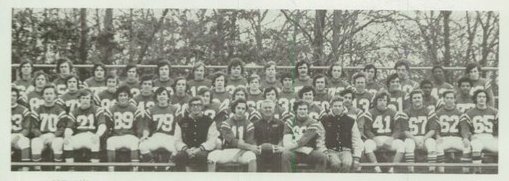
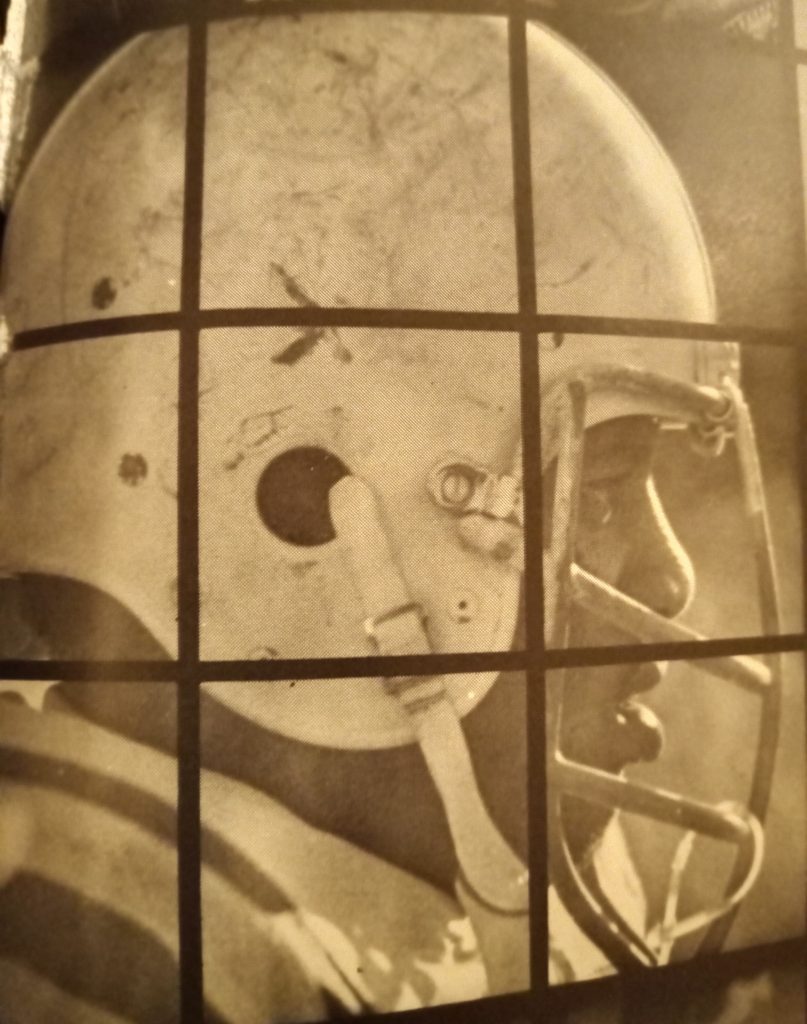
    My high school football team on Long Island, New York 1974, I am in the second row on the far right.
    Me in uniform during a high school football game, 1974.
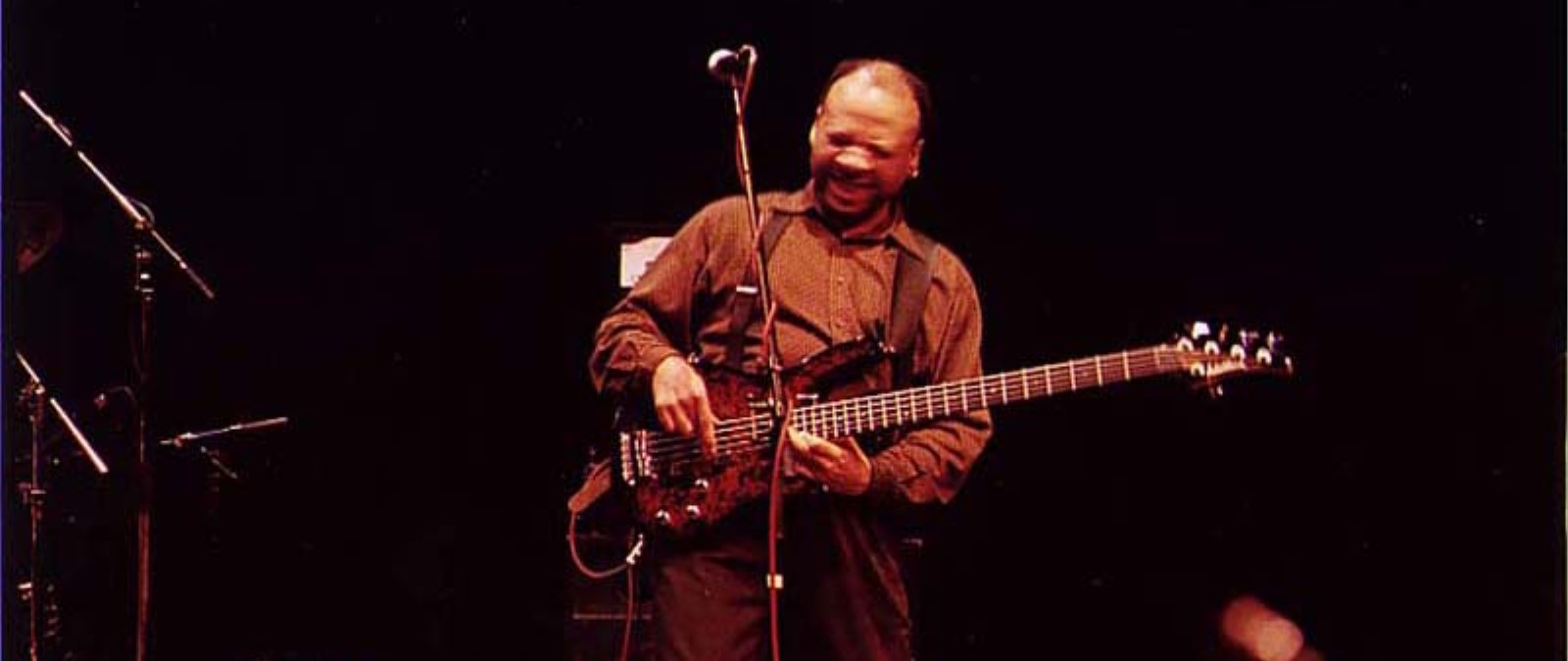
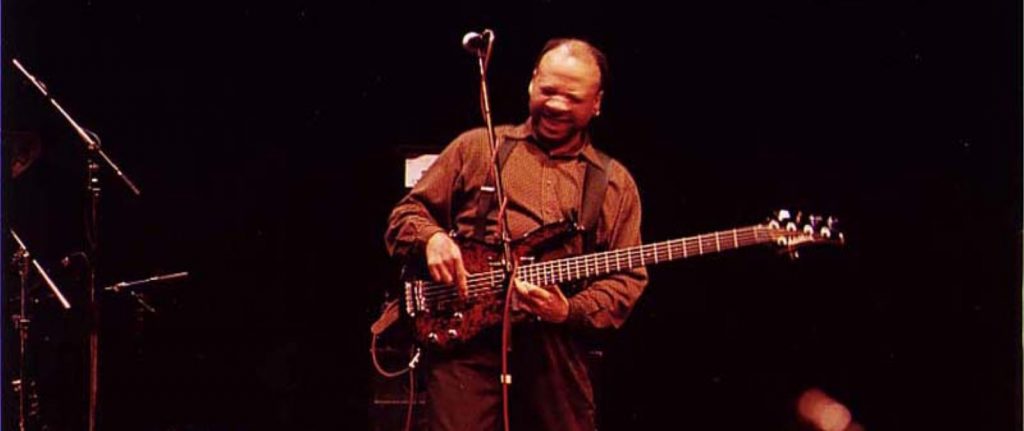
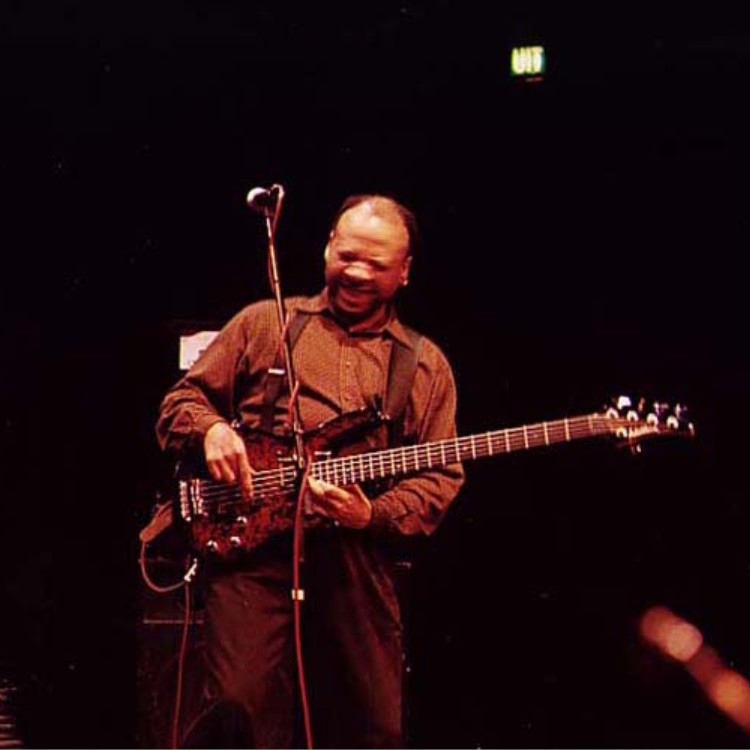
    Concentrating during my bass solo in concert in Amsterdam, the Netherlands, 2000.
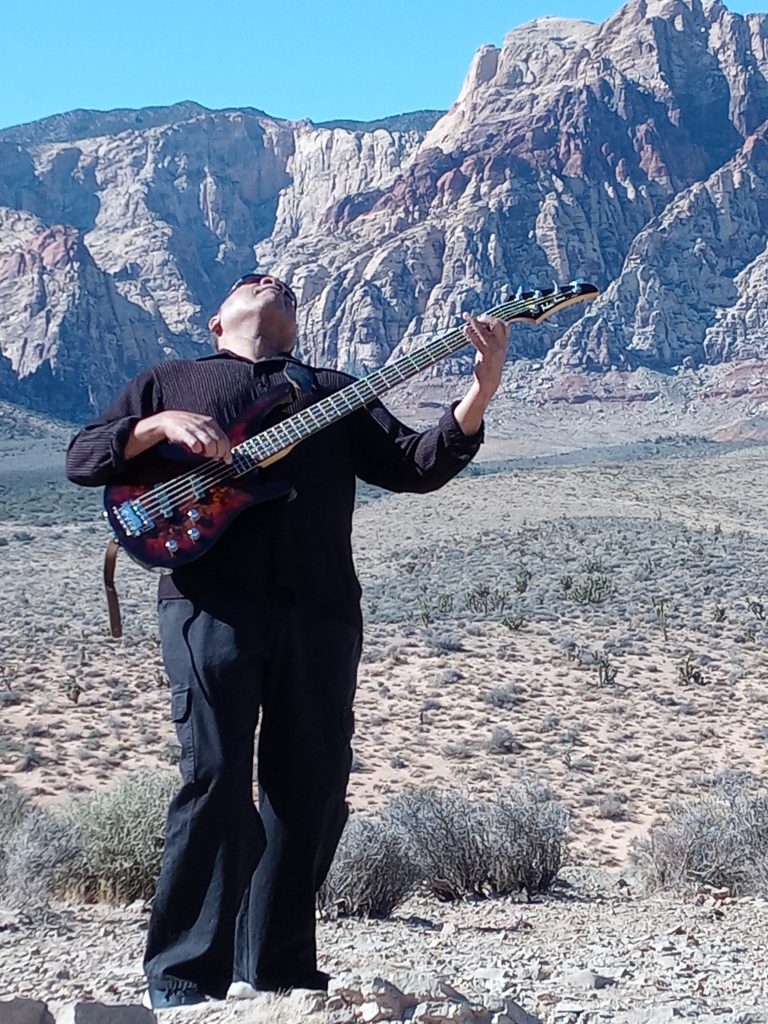
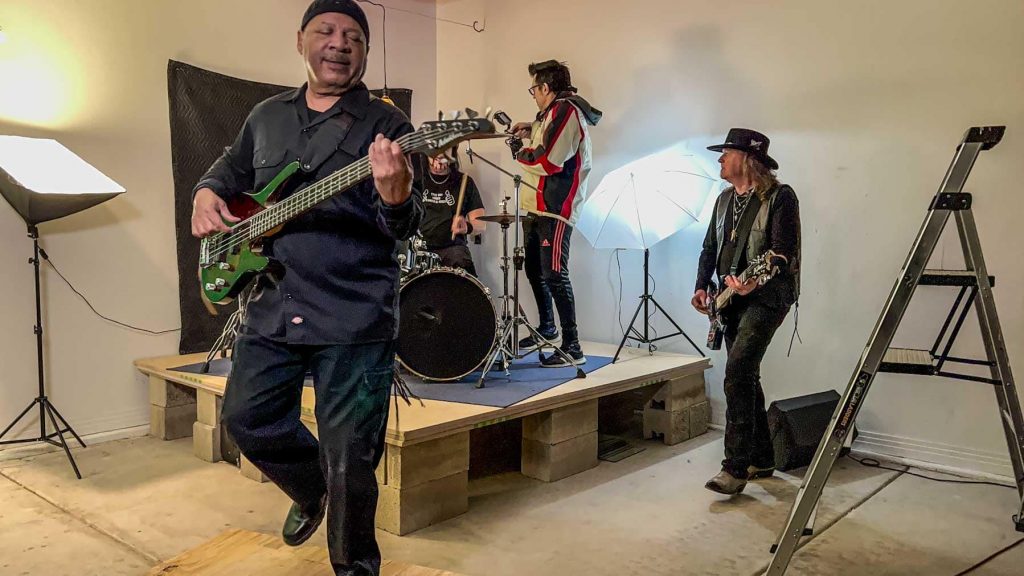
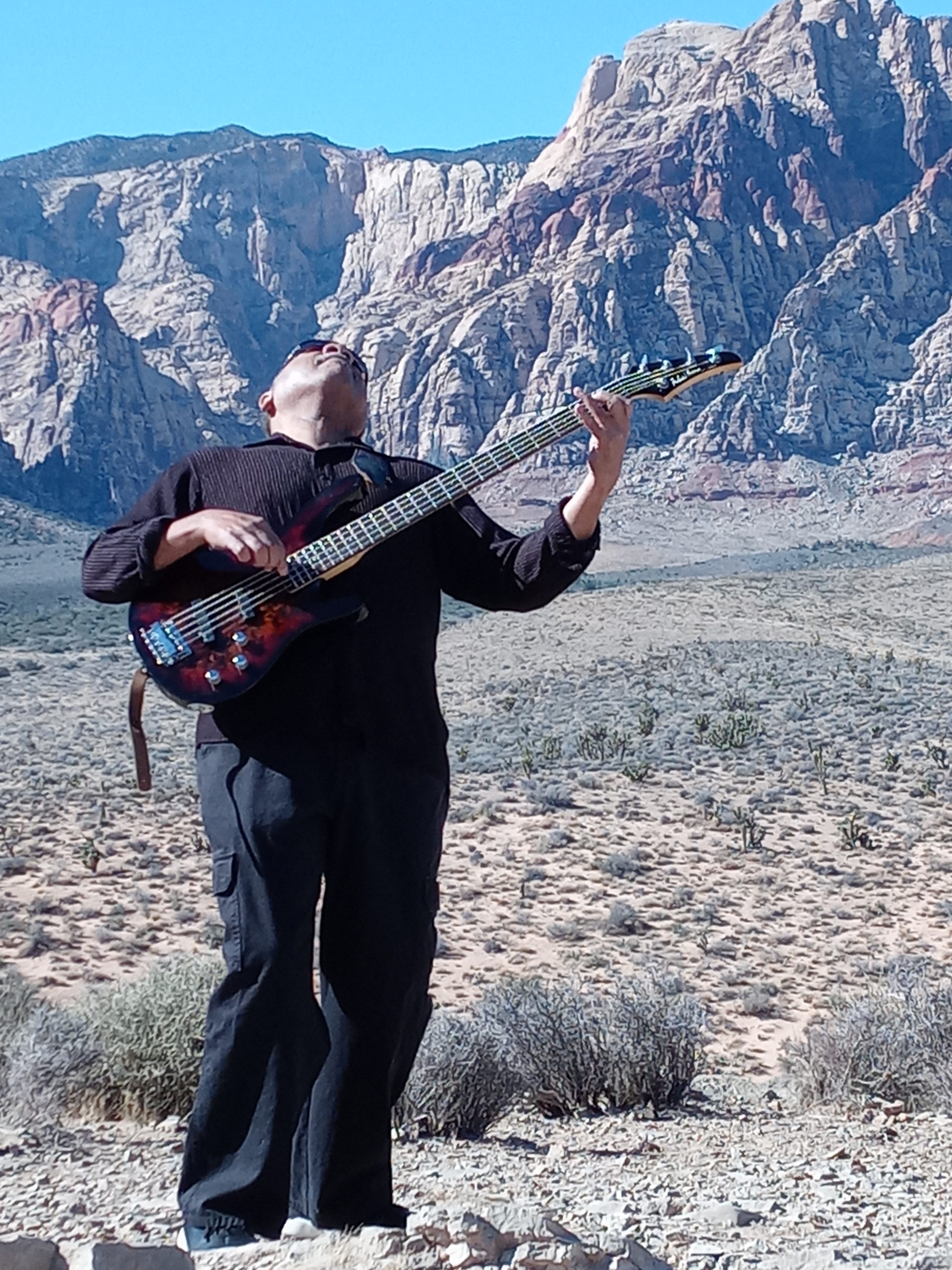
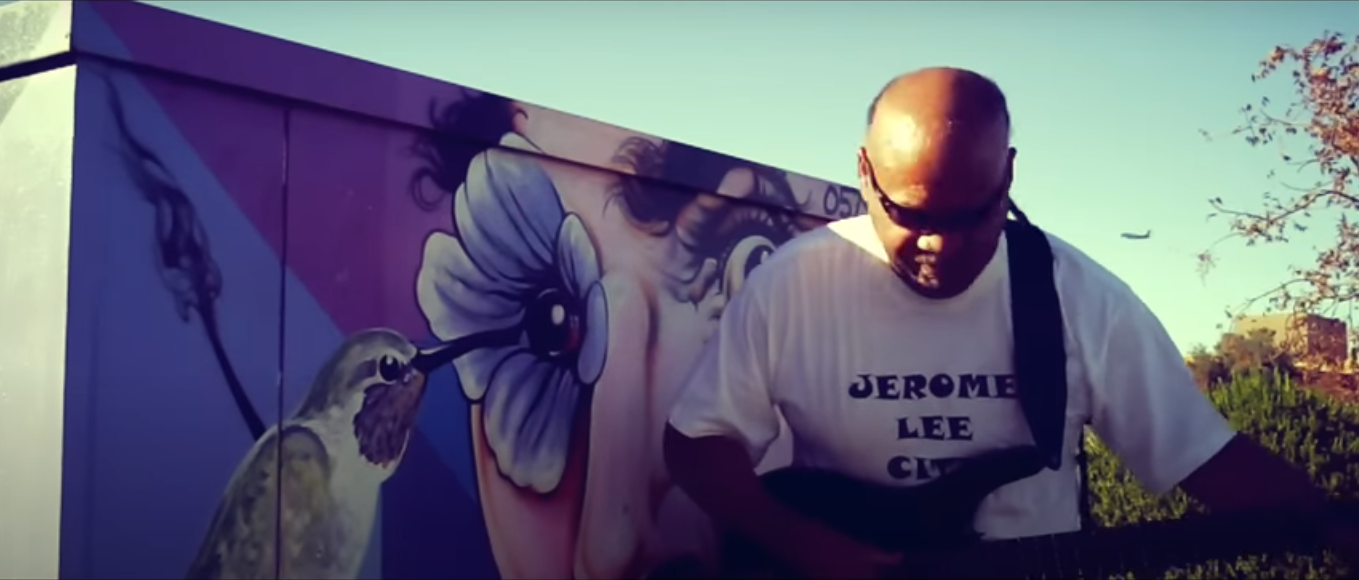
    Working hard with my bass during the video shoot for the single “What’s 2 Be” by Howland Hyatt in Las Vegas, Nevada January 2022.
  • Working With Women (Originally posted on May 15, 2017)

    Working With Women (Originally posted on May 15, 2017)

      I feel that I am lucky to have experienced working alongside girls and women starting at an early age. I discovered this through being a musician when I was a little boy. It occurred to me at a young age that musical instruments are played by both genders; there is no preference by the instrument whether a male or female is playing it. Playing music in the school orchestras in elementary, junior high and high school showed me that one must practice no matter their gender in order to become proficient on an instrument. I had great experiences playing good music with the boys and girls at the schools I attended, and it taught me that one’s gender is not significant in achieving good tone on a musical instrument.

      While I was in the military service, there were not very many women in the specialty that I chose to undertake. It was dominated by men when it came to doing the work that I was involved in. But women were a part of what I did back then in the same specialty, and I do not remember me ever being unkind to them. We helped each other cover each objective equally; each task and mission was completed with a sense of teamwork and team spirit. But in the end, I worked with a majority of men during my service career.

      When I returned to civilian life, I went heavily into the entertainment business in Los Angeles and its many facets and specialties. I chose to remain a bass player first, but I was also very interested in working in professional audio. When I began working in film postproduction audio, I discovered many women working in the film industry. They did everything that the men did; audio postproduction, film editing, automated dialog replacement (ADR), Foley, and more. I enjoyed hearing their stories and I listened when they spoke of their experiences working alongside men in the industry. They told me that there were some gender issues that they faced with men from time to time, but it only appeared with men who felt that they did not belong or could not learn the techniques required by film makers to come up with a proper finished product. I saw that this view by men was inappropriate, and the finished film products involving women were equal to and sometimes better than what the men were doing.

      I learned as much as I could from both men and women when I worked in the film industry. There was a woman who would visit the audio postproduction studio that I was working in, and she gave me some great tips about how to achieve great sounding audio for the projects I was working on. She had spent a lot of time in some of the top studios in Los Angeles working with some of the top artists of the day, including the popular group Supertramp. I was very impressed with her, and I took note of how well she could hear things as she had what we call in professional audio a “golden set of ears”. She was very kind to me, and she told me some of the rules that she lived by as a female audio engineer. One thing that she learned was that she should never wear a skirt or dress to work in the studio with men. She told me that the work would not get done in a timely fashion because the men would be staring at her legs while working at the console instead of concentrating on the music that they were mixing. She told me that it was much better for her to always wear pants to work in the studio with men, and the work was better coming out of the studio from doing just that.

      When I left the film industry I returned to playing the bass guitar full time. Women were in many of the bands that I played music for, and I was able to approach them as the professionals that they were. The music always came first while I played in those Los Angeles based bands; it was the sound of each band that mattered to the public. The women in those bands were an integral part of the songwriting and the sound of each of them. We worked together to achieve a common goal, to hopefully garner a good degree of success from what we were producing for people. It was hard work, and sometimes things got bumpy along the way. But we stayed together as professionals for as long as we could, and I have fond memories of those days in Los Angeles with those bands.

      Fast forward some years later, I found myself working in professional audio and mixing high level corporate events and music shows in Las Vegas, Nevada. By this time, there were many more women working in the entertainment industry in all of its important positions. I have met female production managers and coordinators, master electricians, high riggers, forklift drivers, lighting specialists and audio engineers in my tenure. I can say that it has been a good experience working with them, and listening to them as well. Sometimes they would speak to me about the issues that they would encounter with men who thought that they did not belong, but it did not deter them from doing the work that they loved. Once again, what I do as an audio engineer is not gender specific. Both men and women produce great audio around the world for people, and audio itself does not concern itself with which gender is controlling it.

      I have had a female assistant in several of the shows that I have done audio mixes for in Las Vegas over the last ten years. I have taken the time to deepen my own knowledge about the science and the inner workings of professional audio during that time. I created a basic audio connector course that covers the most commonly used audio connectors on all of the earth’s continents to inform people who are interested in working with audio on a professional level. I have found that many people are not completely informed about the audio connectors used in the industry, so I wanted to impart this important information to them. The women I have worked with were interested in learning more about professional audio, and when they requested it, I made sure that I sent them information in the form of sections from my basic audio connector course so that they can have this information for their lifetimes.

      One woman in particular, who is a professional lighting engineer here in Las Vegas, has been a joy for me to work with. We have both been assigned to many of the same events over the last few years. She builds lighting design often from scratch at each event, but sometimes there is a protocol that the event client wishes to see during the show. We have done events at the highest level for clients here, and she has had no issues with what needed to be done. She is a true professional lighting engineer, and she is in high demand with several event clients and music groups. I remember a music event that we did together a couple of years ago for the band Puddle Of Mudd at the Hard Rock Hotel and Casino. My work at that show was the position of audio monitor engineer. The band’s management did not assign a lighting scheme to her, and she said to me that she would let the band’s music dictate the lighting for the show. She had heard the band before, so she had an idea of the music that they would play. As a result, the band looked great on stage during the show. When I look at the YouTube videos posted of the band’s performance, it looks great and it will not occur to the viewer that the lighting engineer for their performance was female. Because being a lighting engineer is also not gender specific, both men and women are very good at performing this task.

      There are some other women who work in audio here in Las Vegas that I have met who are very interested in the craft. I like working with them, and they only want to do the very best that they can at every event. When they have questions for me about audio, I always answer them to the best of my ability. They have asked me about the audio connectors that audio professionals use around the world, and I have sent them sections of my basic audio connector course to help further their knowledge. Since they are a bit younger than me, I consider them to be a part of the future of professional audio engineers. I know that they will do a great job in audio because they have a real love for it; they care that each event sounds as good as it can.

      While I was setting up the audio for Caterpillar at the Construction Expo 2017 at the Las Vegas Convention Center earlier this year, I met a woman who worked for the local union here who was a forklift driver. We spoke for a while, and she let me know that she had been fully accepted by her colleagues both male and female. She said that there were some tasks involving physical strength that she and other women were challenged with; she said to me that since women are physically different than men, she would seek assistance from men to perform some tasks that she needed assistance with. But beyond that, both men and women depended on her to perform her tasks without any assistance. She was kind to me and gave me some of the candy that she carried with her to help keep me going. I thanked her and let her know that I was working on writing about my experiences working with women in our industry.

      In retrospect, again I am glad that I learned at an early age that women can and do perform well playing musical instruments and performing the technical tasks involved in entertainment industry events. It is my hope that women will continue to be accepted by men in the entertainment industry, and that there will be more women working within the industry in the future. After all, the tasks and skills required in the many technical disciplines that make events a success are not gender specific and are open to all who are interested no matter the person’s gender. Thank you, ladies.

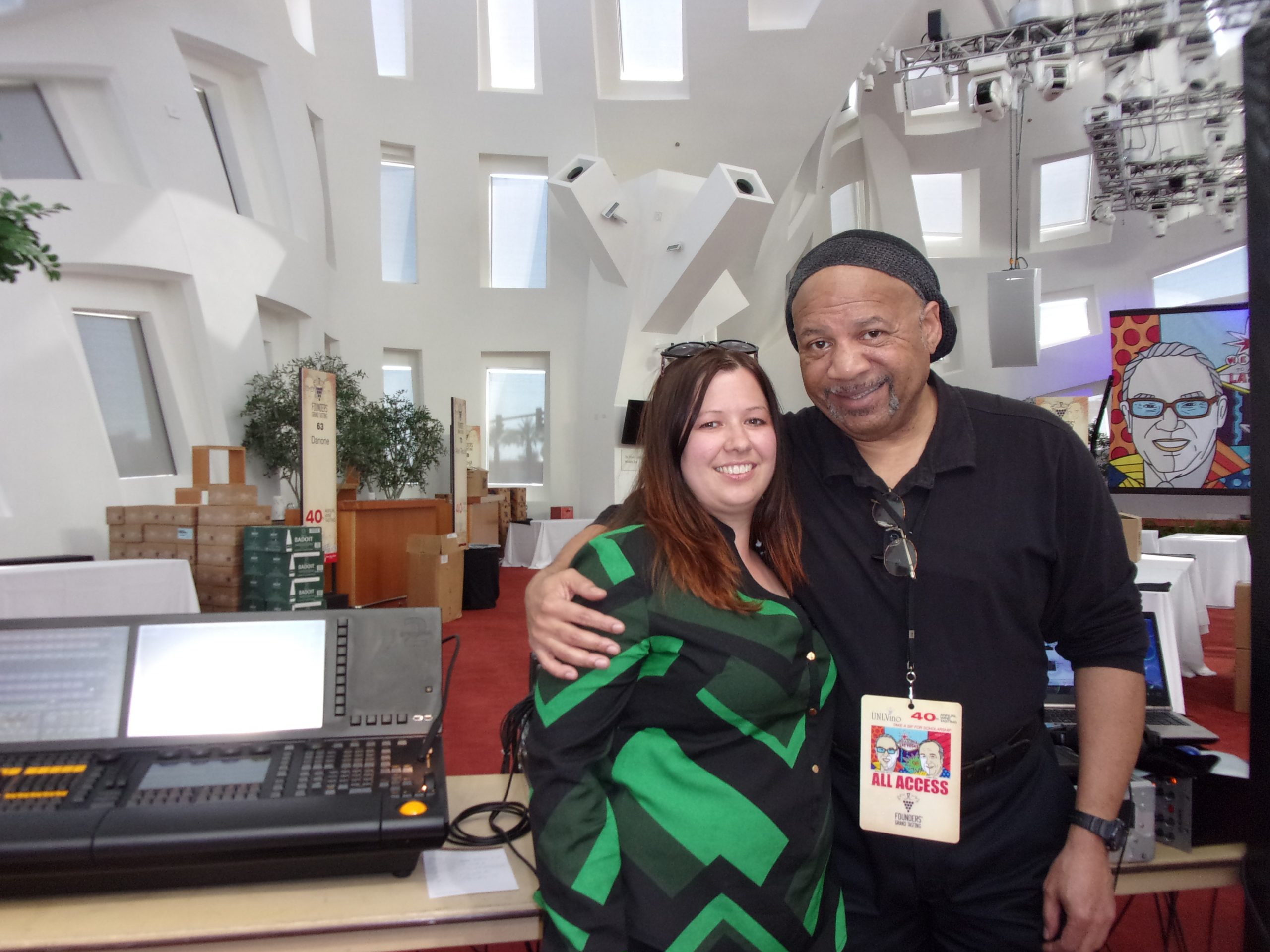
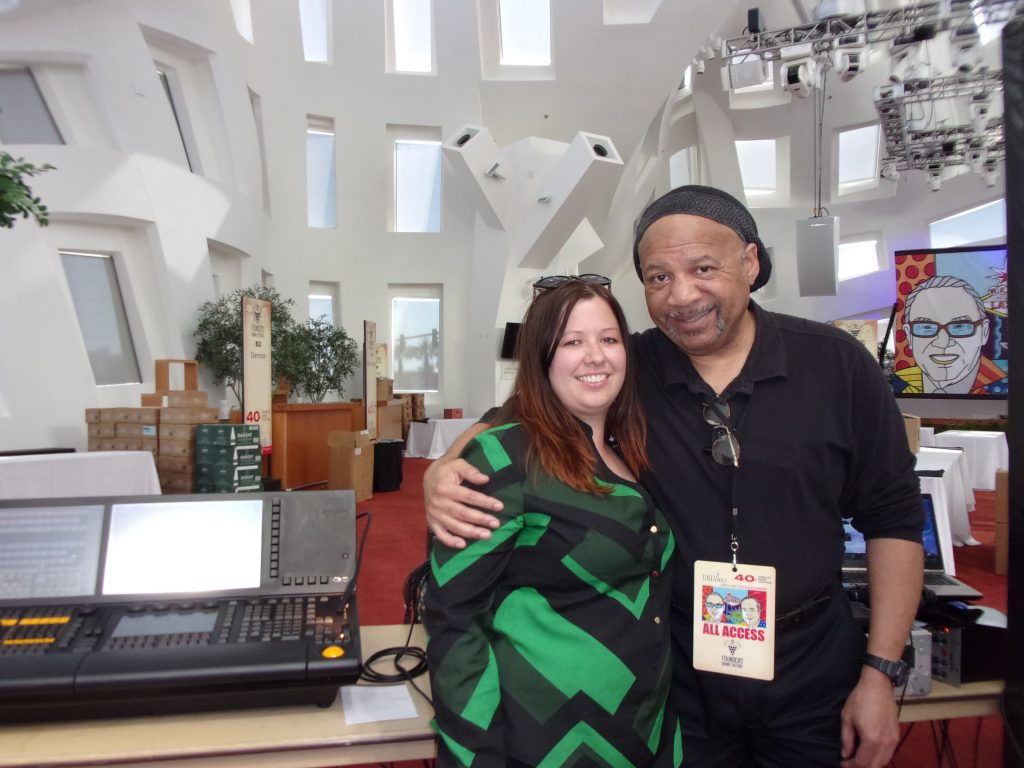
    Here I am working with lighting engineer Angela Carlson for the UNLVino 40th Anniversary celebration at the Cleveland Clinic Lou Ruvo Brain Center in Las Vegas, Nevada April 2014
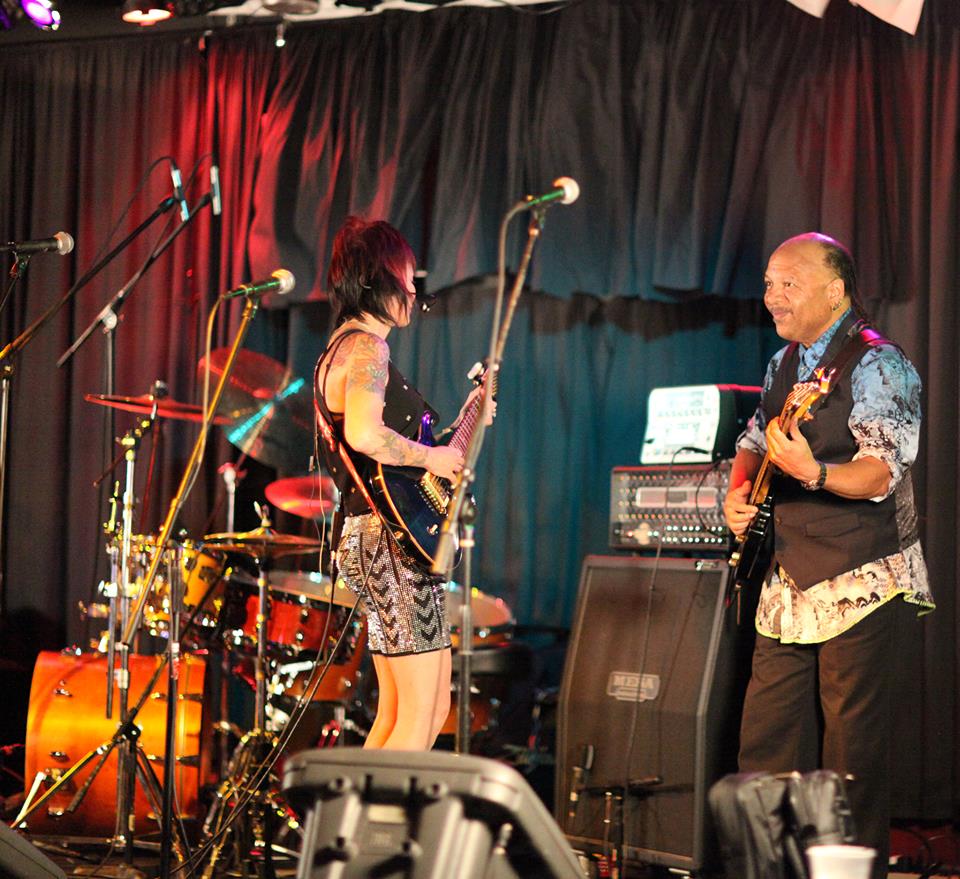
    I did the stage audio monitor mix for the band Puddle of Mudd with Angela Carlson as the lighting engineer at the Hard Rock Resort and Casino in Las Vegas, Nevada July 2015
    Here I am working with Anne Freeman during a video shoot for the single “Rainbow Pirates” from the Ghost Embrace CD in Inglewood, Colorado May 2013
    The group Ghost Embrace and the video for their single song titled “Rainbow Pirates” performed in Inglewood, Colorado May 2013
  • For Thomas Alvin “Block” Atkinson (Originally posted on April 8, 2017)

    For Thomas Alvin “Block” Atkinson (Originally posted on April 8, 2017)

      Making friends with someone is a special thing to happen in our lives. But to have a friend, a true friend, for many years in our lives is a pure blessing and something to be cherished by us all. I have had some good friends in my lifetime, most of us have, but there are always one or two people who stand out in our lives as true friends. For me, it was my friend Thomas Alvin “Block” Atkinson. You see, my friend Thomas passed away on April 2, 2017, from bladder cancer. He was as special a friend to me as I can ever remember. I just wanted to impart a few memories and feelings about him in this blog post.

      I met Thomas back in 1982, in Apple Valley, California. I had returned from my service tour in Japan in late 1979 to be stationed in southern California, and I had the music deep within me. I had started my own band in 1981 that did original and cover modern jazz music; it was called Fat Sound Incorporated or FSI. The band practiced at my little apartment that I had gotten off base from where I was stationed, and I thought that we had developed our own sound. Once that happened, I had the confidence to book the band around the southern California area. We developed a bit of a small but steady reputation in the area, and the word got out among the music lovers in that area. From what I remember, the guitar player in the band knew Thomas before I did; he had told me that he knew a good percussion player who lived in the same area that we were living.

      The band was expanding; we had started out as a three-piece band but had added a keyboard player and a saxophone player as well. By this time, we had begun to rehearse at the home of the saxophone player, in the art studio that was detached from the main house. It was there that I met Thomas, he had come over to our rehearsal and brought along his percussion gear with him. He set up and began to play music with us, and he added something to the band’s sound that I liked. Our early conversations were about that music we loved and about the music artists that we admired. There were a lot of laughs between us as Thomas had a sharp sense of humor, but he was also a very intelligent person to converse with. He understood a great deal about the world that we live in as well as its history. Often, I would be quiet and let him speak about what he knew, and what he was learning about.

      The thing about Thomas was that he never stopped learning; he was hungry for knowledge and sought out the answers to the many situations in life that so many of us find ourselves in. He knew about food like nobody that I have met, and once we got to know each better, he would invite me over to his home and cook some of the best meals that I have had. He knew through our conversations that I also had an affinity for good food, and he was fascinated with all of the countries that I had traveled to and sampled the local cuisine. From speaking with him, I knew that he would have loved to have traveled to the countries that I had visited to also sample the local cuisine.

      The thing that we did the most though was to play music together. Once he had joined FSI, he truly loved the shows that we did, and I booked the band in as many venues as I could. He enjoyed the regular shows that we played at the local air base that I was stationed at; I had signed a contract with the manager of the air base NCO club to play weekly for a year at a time. It was a great time to play in those days; the club patrons appreciated our band coming in and playing music from our hearts for them. Thomas also loved the fact that I had booked shows at the famous Lighthouse Café in Hermosa Beach, California. He spoke glowingly for years afterward about those shows; he knew that the very best jazz artists had played there over the years and he was proud to say that he too had made some great music there.

      The band stopped going by the name of FSI in the mid 1980’s, so Thomas came up with the name of the GUSS band, the name was a play on the some of the comedy work of a famous comedian at the time. We began to play cover songs for music, and Thomas took on some of the lead vocal duties for the band. He was a joy to play music with, and he always kept the audience in mind with his playful banter with them, during and in between songs. He also would book the band from time to time, and even though I had moved away to the Los Angeles area I would return to the High Desert region to do shows with Thomas and the GUSS band.

      Thomas was smart enough to realize that the odds of becoming a financial success as a band were very small, so he left the band to go to college and earn his teaching credentials. Once he had achieved his degrees, he began teaching in the Victor Valley area, something that he did until he retired only a couple of years ago. Once I had moved away from the Victor Valley area to Los Angeles, we kept in touch by telephone and I would occasionally make the drive up to visit with him.

      When I moved away to Europe, we were out of contact with each other for a few years. But like the special friend that he was to me, once I had returned to the states to live, I called Thomas up and he was delighted to know that I had come back. While I settled in Las Vegas, Nevada, it was only a 2 ½ hour drive to visit him in the High Desert region of southern California. I drove to visit him in 2010 for a wonderful band reunion with the GUSS band, and to also play music and celebrate the birthday of the father of the band’s saxophone player. We had a great time reminiscing about the early days of the band and the many shows we had done together. Thomas also had stories of his time in the classroom with his many students, I could tell how much they loved him as their teacher and how he had prepared them for life as the adults that they would become. 

      I visited Thomas once again in 2011 after I had gone through a breakup with a woman that I had loved dearly for many years. Thomas had soothing and kind words to help my spirit, and he had words of wisdom for me about what I had just gone through. I was so thankful to him during that visit, he really helped me and my emotions turn a corner toward the positive things that life has to offer. The things that he said during that visit still ring in my ears to this day.

      Recording at home was of great interest to both of us. Thomas would call me on the telephone often with questions about his audio recording software; I would always give him the best answers that I could. He would then record more new music; he really loved exotic percussion instruments, and he added them to so many of his recordings. He spent time learning about Native American flutes, and it was through Thomas that I learned that there was a flute with a key center developed for each of the human body’s chakras. I loved the way that he applied these flutes to his recordings; he truly understood what they were for and how to properly utilize them.

      Thomas knew that I was working in professional audio, so he asked me to add bass guitar tracks to his recordings, mix them down and put the recordings through the audio mastering process for him. I was more than happy to do so, and he sent me his recordings through the internet for me to work on. We completed many songs together using the internet as a conduit between us. I thought that it would be nice for people in the world to hear his music, so I talked to him about putting together an online profile where people could visit and listen to his recordings. He told me that he was not so adept at doing something like that online, so I offered to build him a profile at the musician’s website called ReverbNation. He said alright, and I proceeded to build him his own profile at ReverbNation. When I had completed the work of building his profile, he gave me a list of the songs that we had worked on together to be posted at the site. I did as he asked, and I posted the songs that he created to his new online profile at ReverbNation. He was very happy with what I had done, and he was glad that we both put in good time and effort on his music for all to hear. It is World Music that he created; it is not of the standard modern fare that is so widely available and common today.

      Now that Thomas has passed on, I have been sad and filled with tears this week. But I know that Thomas would want me to be strong in spirit, and to remember our good times together. He was a joyful man even though he had been confined to a wheelchair for much of his life. He was loved by me and by so many other people, he made so many lives brighter with his kind words, his hearty laugh, and his deep wisdom. I miss you very much Thomas, and I am glad to have been able to have you as my friend, a true friend, who was as close to me as a brother could be. I love you my friend.

      Rest In Paradise Thomas.

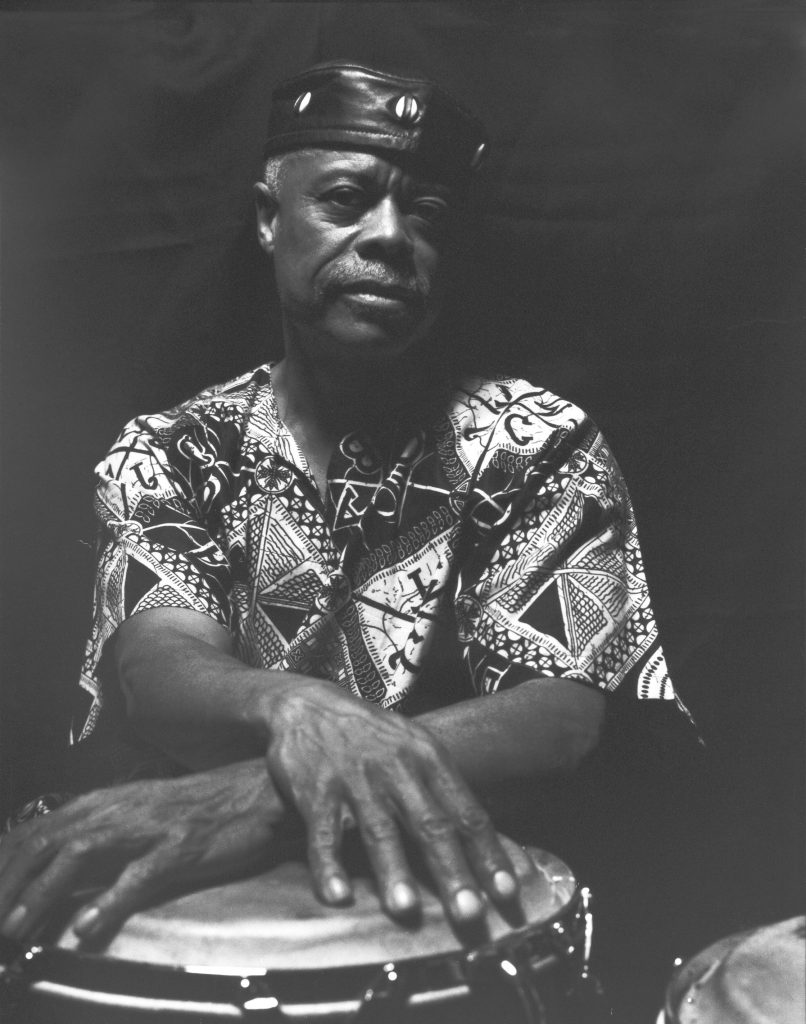
    Portrait photo of Thomas Atkinson
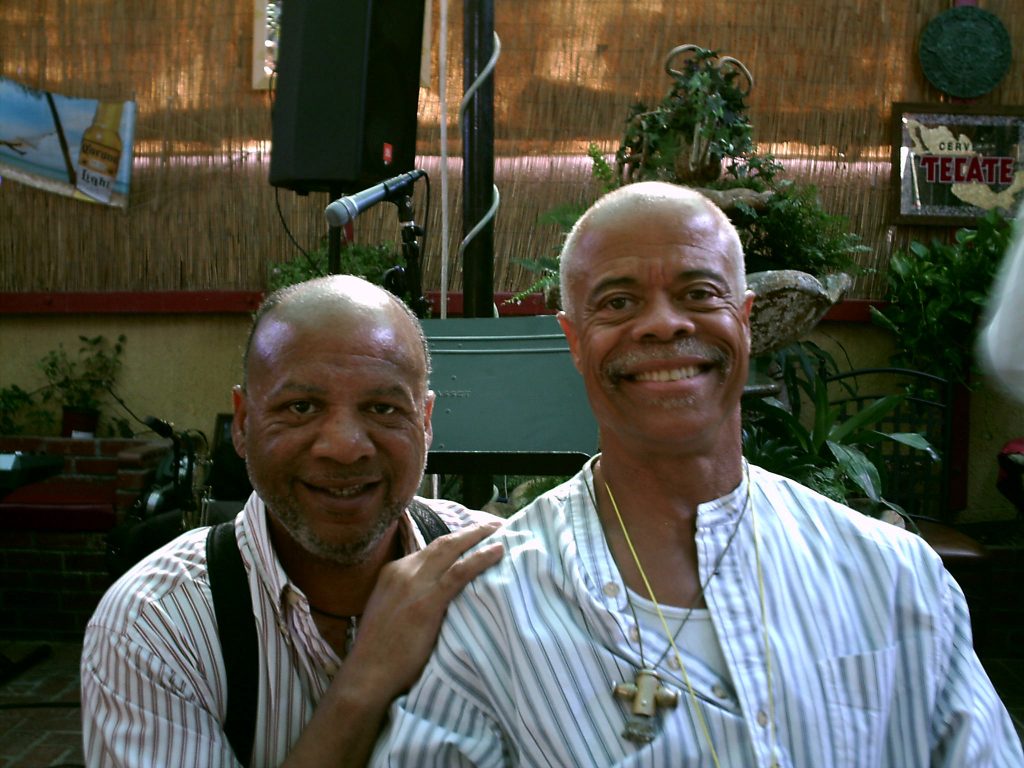
    Jerome Lee with Thomas “Block” Atkinson in Apple Valley, California 2010
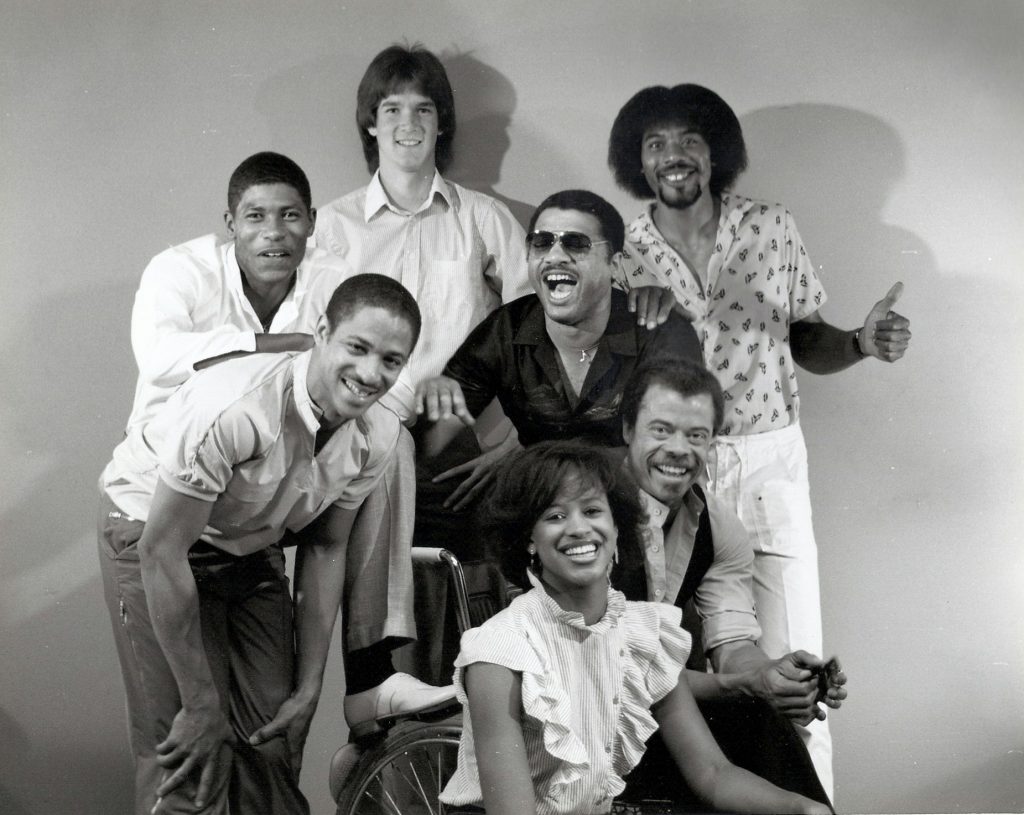
    My band Fat Sound Incorporated (FSI) in a promotional photo, Apple Valley, California 1984
    Thomas “Block” Atkinson
  • Prettiest Girl (Originally posted on February 14, 2017)

    Prettiest Girl (Originally posted on February 14, 2017)

      Now, at my more advanced age, the memories and feelings from many years about relationships between men and women has led to a deeper meaning for me behind the song I wrote some time ago titled “Prettiest Girl”. This Valentine’s Day 2017 will find millions of people spending time with a special loved one or significant other, and I am sure that looks will have little to do with how people in love feel about each other.

      When I was a kid growing up, I would see how the older folks around me treated their spouse or significant other. Television in the 1960’s and the 1970’s had really been pushing how a person looks to others, so there was a large segment of the population who felt that how your appearance was, how you looked to others, was the barometer to bettering the odds of finding love in life. But even at that early age, I began to see what was really going on with people through watching my elders and how they treated each other, it was different than what I saw on television. In fact, those times when people and relatives would visit our home when I was young, watched television together, the comments about what was shown on commercials that passed as beauty or attractiveness would be met with either disdain or even unbelief.

      “Ain’t no women look like that in real everyday life” the women would proclaim. And for the men, when an absolutely ridiculous commercial advertisement came on the television about men’s appearance, it would be met with laughter followed by some kind of joke. I began to realize that these people were not together solely because of their looks, there were things that ran much deeper between them that kept them together as couples.

      But hey, I was still a kid, and there were still some things for me to learn about a person’s looks. Being in junior high school and high school with other kids did not make this easier for me as some of the kids would often put on a fashion show with what they wore to school daily. If you didn’t “keep up appearances” by some, then you were deemed less attractive. Keep in mind that this is a school full of young students all trying to find their own way but unknowingly being heavily influenced by what they all saw on television when it came to the standards of beauty and attractiveness. And generally, most all the kids watched television back then.

      I mentioned in an earlier blog about my sisters, growing up with them was very much a leading guide as how to ascertain my views and feelings about what I thought was attractive or beautiful in women. They told me that some of the most beautiful women are the ones that you don’t see on television, they are the ones that you don’t see in the fashion magazines or other media. They told me that the most beautiful women that I will meet will not be from where I might have imagined, instead they would come from a different place that I would most likely not be aware of.

      I listened to what they told me, and as I grew older and went out into life on my own, I found that it is true about realizing a loved one or a significant other’s appearance. The entire person is what is attractive to us as people, the inside of the person, their spirit and love and empathy for us keep us close to one another in life.

      While I was still a kid and the older relatives and friends of the family would visit our home in the late spring or during the summer, the inevitable barbecue would get to cooking and the drinks would flow. And as the drinks flowed and the comments became a bit looser coming from the adults, I loved it best when they would openly proclaim their affection to their significant other. The men would say the funniest things about how they did not care so much for their spouse’s looks versus her heart and spirit for him. The women would say the funniest things too, and they would say how they are glad to have their man just the way he is. One day, I heard one of my uncles say to his wife “you my prettiest girl of them all”, and she just adored hearing him say this to her in front of others. That moment stayed with me too, and I began to understand what that really meant, what my uncle was really saying about his wife.

      Later in my life, I had the opportunity to understand this view with my own relationships with women. Those relationships were certainly influenced by what I heard and saw with my elders growing up, about looking at and experiencing the whole person. Not basing what a person looks like as a barometer for an enduring relationship. This thinking stayed with me, and while I was living in Los Angeles in the early 1990’s I wrote my song “Prettiest Girl”. And while living in Europe during the late 1990’s I recorded “Prettiest Girl” based on my own life experiences as well as what I experienced with my elders growing up.

      And while I have not yet married in my own lifetime, I always wonder if I will find my own “Prettiest Girl” someday. But I do wish the most loving Valentine’s Day 2017 to all of you out there who loves your spouse or your significant other wholly, no matter their looks.

      Much Love.

  • Travel – How to get to the Show? (Originally posted on November 23, 2016)

    Travel – How to get to the Show? (Originally posted on November 23, 2016)

      When I look back at having done so many shows and gigs over the course of nearly five decades as a bass player, I am taken aback at the modes of transportation that I and various fellow band members have taken to arrive at the event. I remember early on for me it was buses, big, yellow, and lots of them, to get me to and from the many concerts that I played with my school district’s orchestras.

      Traveling within my school district was rather easy; the distances to travel to the district schools were not too far apart from each other. While there was not much travel for the elementary school orchestra that I attended, the amount of travel picked up considerably once I began to attend junior high school. During my seventh-grade year was the first time I heard the term “exchange orchestras” spoken by my elders. They told us orchestra students that we would join together with the other junior high orchestra in the school district to create one large orchestra. We were told that both junior high schools have been rehearsing a few of the same pieces during the school year. I was anxious to hear what two orchestras combined together would sound like.

      When the two school district junior high schools got together for the first time during my seventh-grade year, it was my first exchange orchestra experience. We traveled as an orchestra from our school to the other junior high school in our district; it was very different than traveling to another school as a sports team. But we still had our own school spirit, and all of the players in our orchestra wanted to play their best in the presence of another school orchestra. The big yellow school bus was the way to get there, with their firm to hard dark green seats, no seat belts, and so long and cavernous inside.

      As I moved on from eighth grade and became a high school freshman ninth grader, the travels that the school orchestra took were numerous when I look back on those days. Those big yellow school bus rides to events and concerts were not without the occasional mishap before traveling. Somehow, the emergency back door on one bus came open and an acoustic bass tumbled right out of it. The bus was parked at the time, and nobody got hurt, but I can tell you that the sound of an acoustic bass hitting and crashing onto the hard pavement in that parking lot was a sound that I will never forget. A sound that is hard to describe indeed!

      When I was playing with the high school orchestra, the travel became more extensive, and we did exchange concerts with high schools that were outside our school district with high schools on Long Island. And more of those big yellow school buses to ride around in. They were always an experience to be in. And for special event use, I had the privilege to ride in a station wagon car that was painted school bus yellow and adorned with the requisite lights to identify it as an official school bus. When I was a high school sophomore, a group of five orchestra players, including me, had been granted permission to travel to the elementary schools and demonstrate playing our chosen instruments for the young students. I remember how cool it was to get out of class and go play at the elementary schools that year. Hey, these are some of the perks for playing music well I realized.

      Travel by car became the main mode of transport after high school for a while. But soon came the vans, and the trucks that were often rented to get to shows with the band I joined right out of high school. I remember that most of the guys in that band would take turns riding along with the band’s equipment technician in either a van or a truck to the band’s shows. I took my turn in the van mostly and got to see Long Island and New York City from the view of an equipment van. Unique to be sure. But all of us wanted to ride with the band’s manager to the gigs; she had a small two-seater British sports car that we all loved. I got to ride to a couple of the band’s shows with her, she could really drive that car and that car could really fly when you stepped on in. That was fun for me.

      When I spent time in Japan in my early twenties, we got to band gigs mostly by cars and vans. The occasional gig there would be an equipment truck or two for the band’s backline and P.A. system. And just when I thought that I would not ride in one again, the band reserved a big school bus that was dark blue in color this time, to travel a long distance to some shows on the north part of Honshu Island. It was winter and cold, but that big bus had a heater that worked and that saved the day for us. And it was nice to travel at the height that a bus seats you. The view was very nice, and the landscape of Japan was beautiful to look at. I never said never again about riding in a big school bus, because, well, it could happen at any time!

      Most of the shows that I traveled to in the U.S. as a bass player have been by cars, but vans and rental trucks are included here as well. I would rent a truck sometimes for one band that I was leading in the high desert of southern California; we would make the 200-mile round trip to Los Angeles and do our shows there. The band would try to ride together to save on fuel, and so I would always try to rent a travel truck that had a compartment door leading to the cargo area in the back of the truck. The guys would bring something soft to sit on and ride on top of the backline and P.A. gear. We were all young and having fun in a good band, I enjoyed driving the truck and having a laugh with the band members.

      But as I moved on to Los Angeles as a bass player, the modes of travel began to include airline travel to and from shows. Traveling with the band on an airline is one of the fun experiences to have as a musician, I think. There is nothing like knowing that reason that you are riding on this aircraft is because you practiced at home as a musician, and you rehearsed very well as a band. I thought about the major label artists that I saw early on in my musical career and how they often traveled by air to their shows. I thought that it was a real privilege to travel by air to shows, and I felt that I would do so for as long as the opportunities presented themselves.

      Once I made the move to Europe and to the Netherlands, it became surprising at all of the modes of transportation that I took to get to shows. I traveled to shows in cars and vans when they were long distance from where I was living in Amsterdam, which was normal. And the travel by air to get to the concerts in Italy and elsewhere were special indeed. To travel by tram or bus in the city was easy once I learned the city routes. But what set apart my mode of travel once again was my use of a bicycle while I was living in Amsterdam. I walked around Amsterdam and used its public transport system during my first year living there. But once I got a good touring bicycle, that was how I got around for most of all of the remaining years that I spent there. You see, there is a very real bicycle culture in the Netherlands, and people there take their bicycle system and infrastructure quite seriously. It is possible to ride your bicycle safely from one end of the country to the other there, clearly marked bicycle paths that include traffic signals are everywhere, in every small village or town to every big city there is a place to ride your bicycle.

      And people who decide to drive cars there know that the person on a bicycle has the right of way, but things do happen. I did get hit by a taxi one day while I was riding my bicycle, I was not hurt too badly, and I was much angrier than hurt. I shouted at the driver, he knew what he had done, but he and his passenger stayed behind locked doors and rolled up windows as I shouted at them. When I was done, we went our separate ways.

      I thought to travel to as many shows as possible on my bicycle in the city of Amsterdam would be my way of getting around. I had purchased a touring bicycle that had a rack on the back wheel and a slightly smaller rack in the front wheel. These came in handy as I could wear my bass travel bag with my bass inside of it gently on the back wheel rack of my bicycle. On the front wheel would be my backpack that had cables and spare parts and sometimes gig clothes for the stage. Keep in mind that when on a bicycle, you’re out in the elements. The winters are very cold in Amsterdam, so I would dress very warmly to make sure that I would not get too cold on the way to my shows. And dressing properly afterward to make sure that I would be warm on the way home after a very late night/early morning gig when it was really cold outside.

      I also keep in mind how many people got around by boat in Amsterdam; there are more than we think. I always loved a boat ride on the canals in Amsterdam; each one was very special to me. It is the most different way that I have seen a city anywhere I have lived. So, I think that the shows that I played on the canal touring boats were just great. I met a guitarist and his sister who were doing a duo show on the touring boats and they asked me to join them. I did, and I must say that to ride my bicycle down to the dock with my bass and get on board the touring boat and play music for the entire 90-minute tour were some of the most memorable experiences that I had while living in Amsterdam.  I really liked doing that and I am so thankful to that guitarist for inviting me to join him and his sister. 

      I enjoyed my mode of transport by bicycle during my years of living in Amsterdam. I finally wore out the first bicycle that I bought, and I went back to the same bicycle repair shop that I bought it from and got another one. I rode that second bicycle until I left Amsterdam, and funnily enough I went back to the same bicycle repair shop and sold it back to the shop owner. We both laughed about this, and he was happy that I had taken good care of that bicycle so someone else could use it.

      Returning to the States, it has been back to cars and vans to travel to shows with along with the occasional airline mode of travel. It was strange when I sold my bicycle in Amsterdam; I went back to walking and using public transport to get around. But when I see the new driverless cars beginning to populate the roads here in the U.S., perhaps it is just a matter of time that I will get the privilege to travel to a show in one. And that will be a story in itself indeed. Happy trails to your next show and stay safe out there!

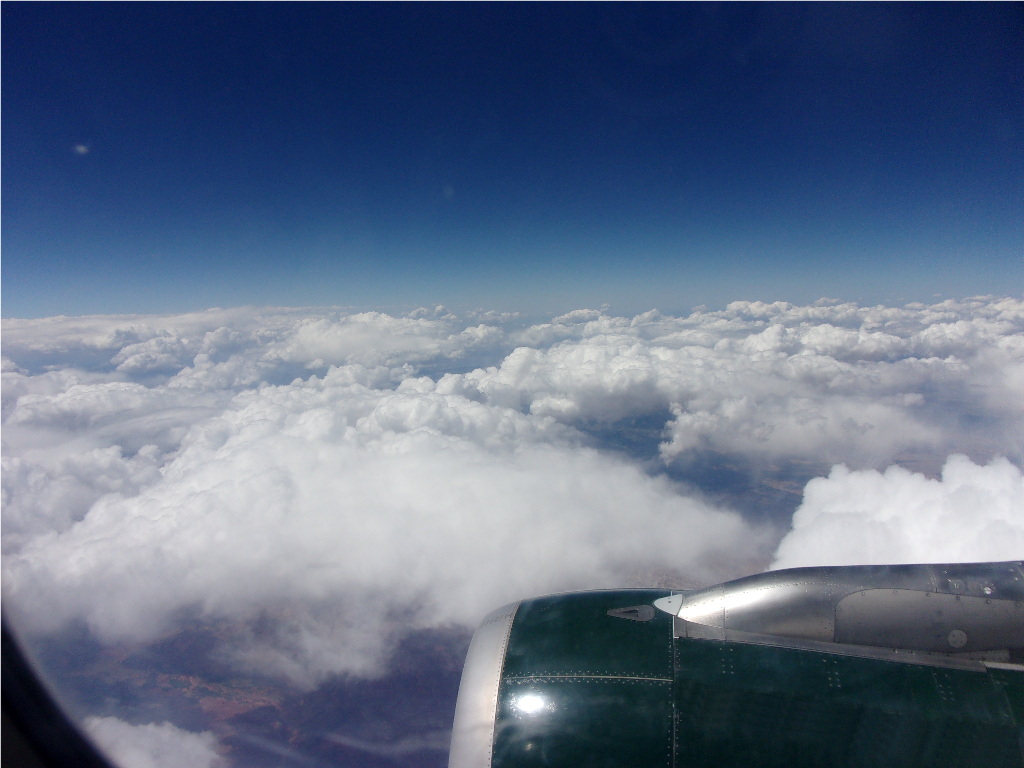
    Jerome in flight to a studio recording date in Parker, Colorado, 2014
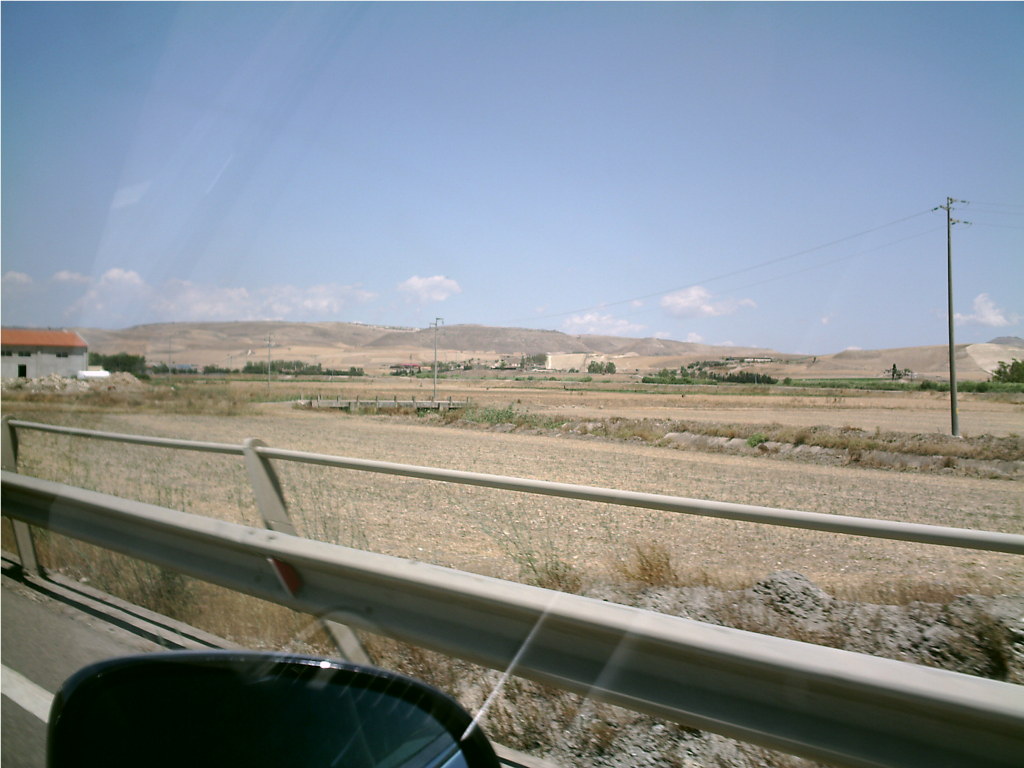
    Jerome traveling to a show date on Sardinia Island, Italy 2008
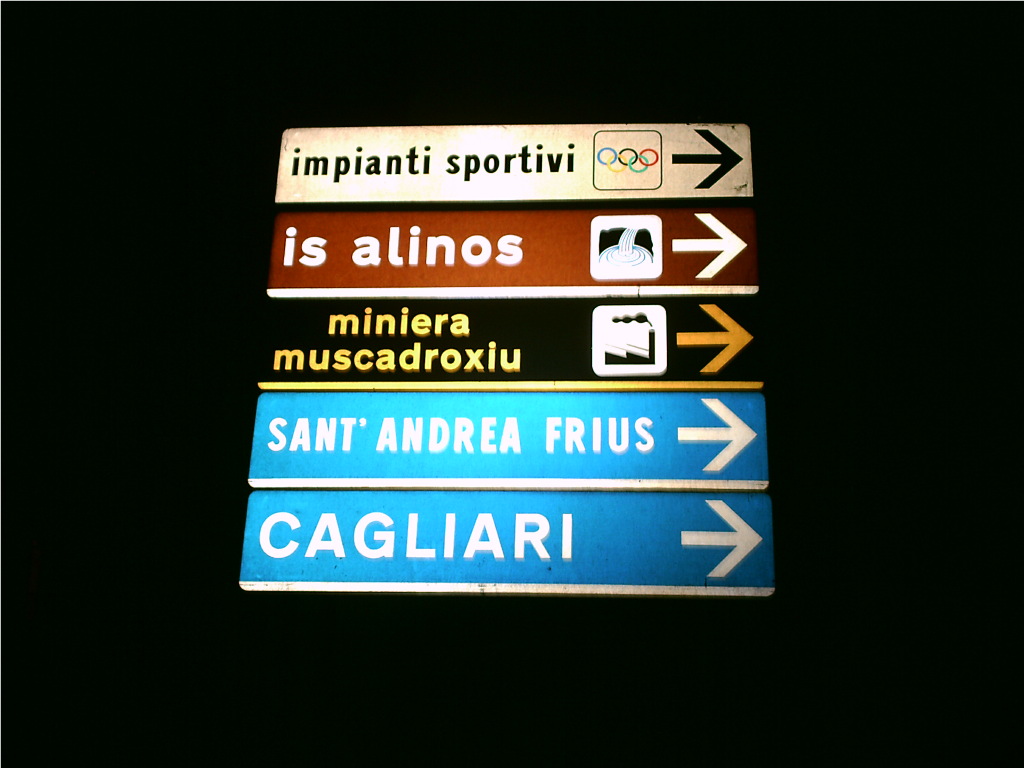
    A sign showing the way back from a show by Jerome Lee City on Sardinia Island, Italy 2008
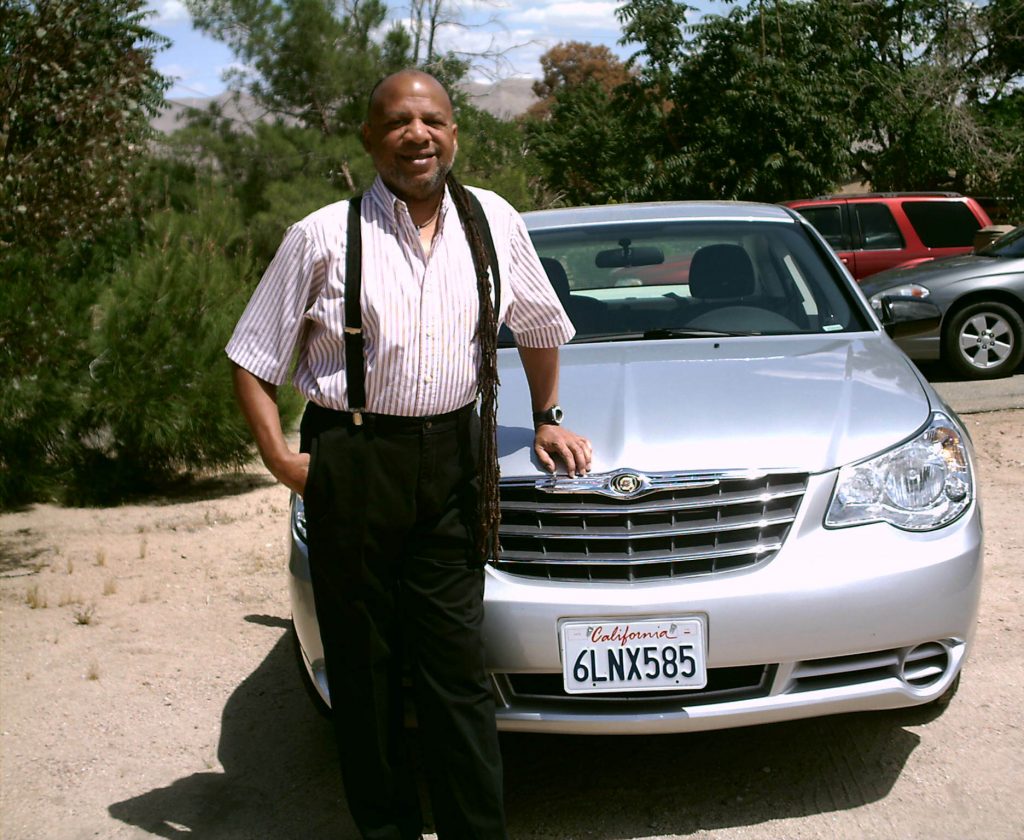
    Jerome Lee in Hesperia, California visiting an old friend for a reunion gig in Apple Valley, California, 2010
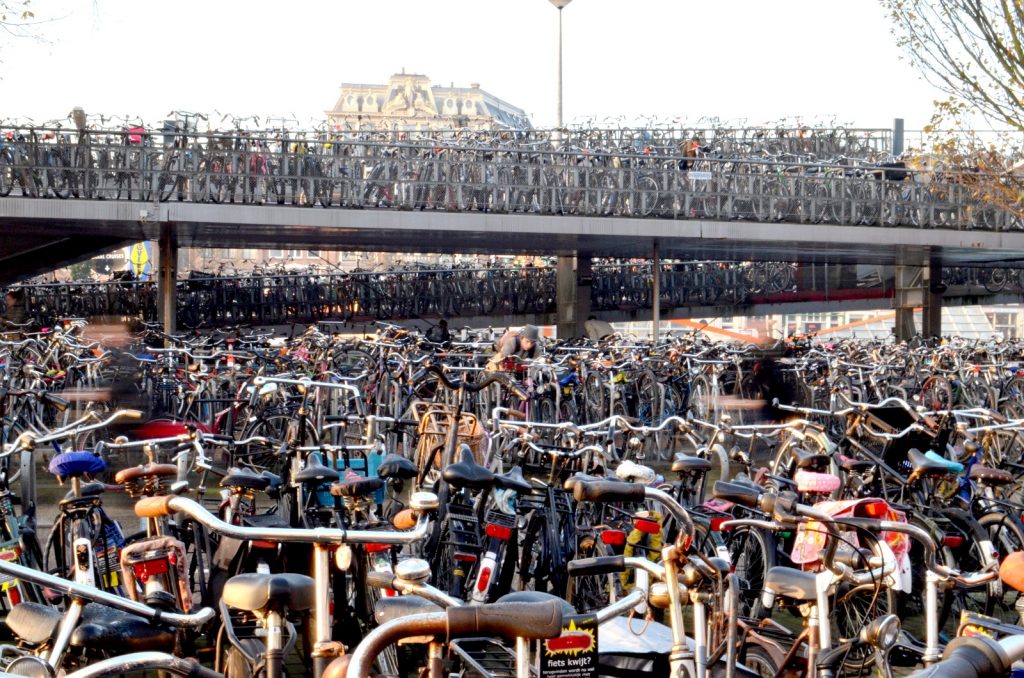
    Jerome would park his bicycle among the thousands of bicycles at Central Station, Amsterdam, the Netherlands during the late 1990’s
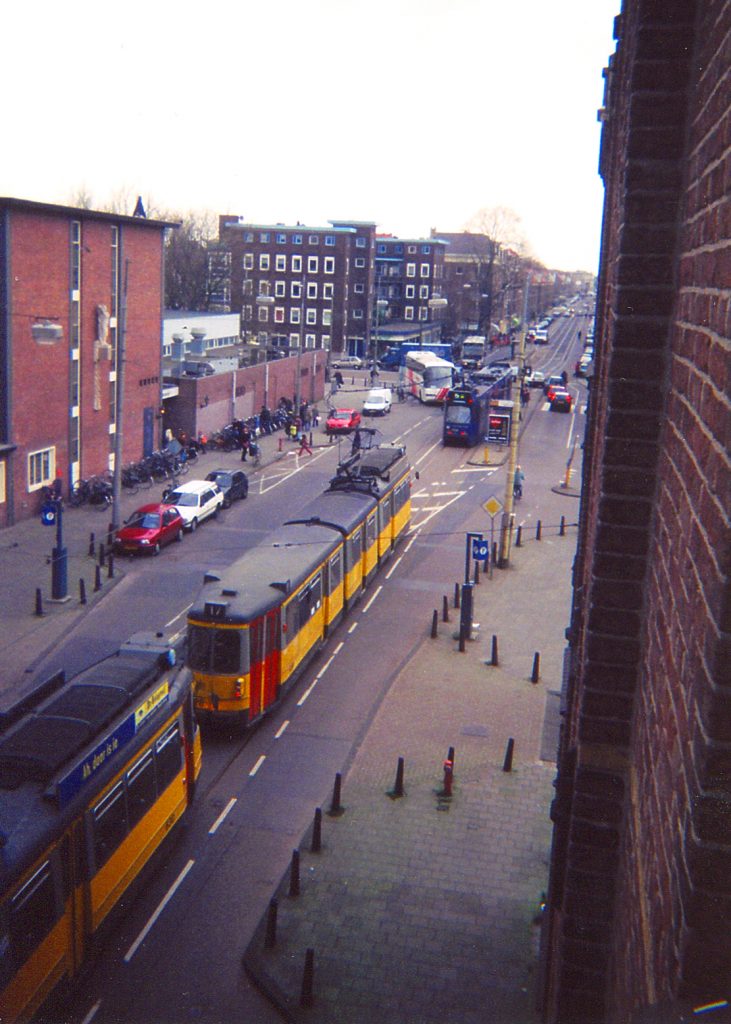
    Jerome Lee would very often travel by tram or by bus in order to get to shows, rehearsals, and giving music lessons in Amsterdam, the Netherlands. Photo taken of Marnixstraat, Amsterdam, NL in 2000
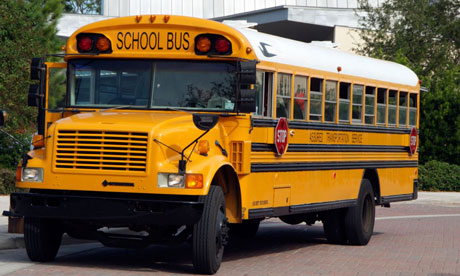
    Sometimes a school bus gets the job done to get to and from the show!

  • The U.S.O., Bob Hope and Me (Originally posted on November 11, 2016)

    The U.S.O., Bob Hope and Me (Originally posted on November 11, 2016)

      As a child growing up in the late 1950’s and into the 1960’s I became interested in what we call “modern entertainment”, this is often referred to as “show business” or “show biz”. Watching the early evening variety shows on television exposed me to a number of celebrities who had made a name for themselves. While there were variety shows led by celebrities with big names, there were a small number of them who seemed to stand out from the rest. Among these standout celebrities was a man named Bob Hope. He stood out among the most popular of celebrities during that time period and for a lot of good reasons.

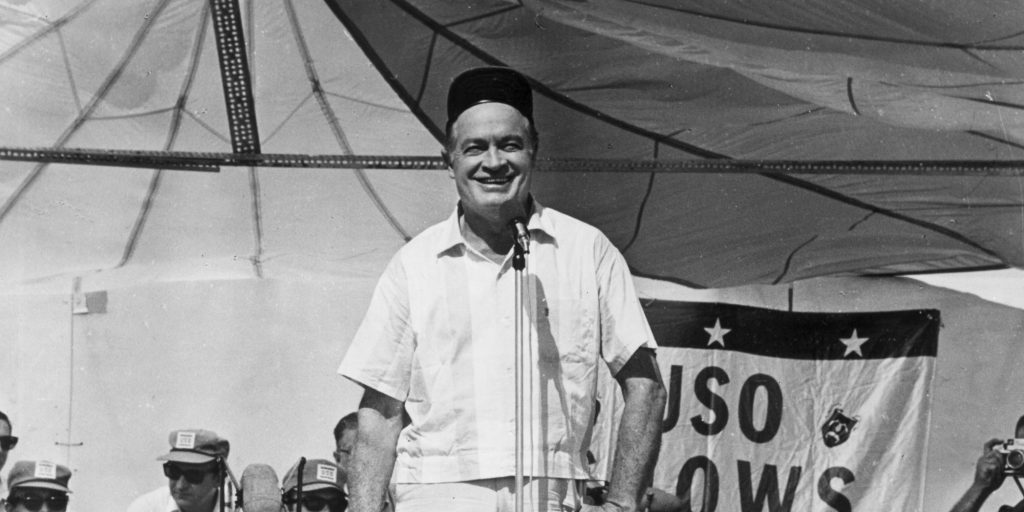
    As I grew old enough to understand what was going on with the war in Vietnam, I was watching on television as Bob Hope took an entourage of celebrity actors, musicians, dancers, and artists on several tours into the land where war was taking place. I was fascinated by this; I mean that there was a real war going on not too far from where he would stage his performances. The older folks around me would praise Mr. Hope for his efforts to entertain the troops in such environments. It was not the first time that celebrities would entertain the troops during wartime; I was reminded that during World War II many kinds of entertainment from celebrities took place. But somehow, watching what Bob Hope did during the Vietnam War to help the morale of thousands of troops had an impact on me. And I would unknowingly follow through with my own experiences of entertaining the troops later on in my own music life.

    While I was in the service, I began to truly entertain the troops once I had been stationed overseas in the Far East, in Japan during the late 1970’s. I had been teaching some other guys in the barracks there who wanted to learn to play the bass guitar. They were fun times to be sure. But one day a man I had not met before peeked his head in my door and started asking some music related questions about who I was. I answered him, and then he asked me if I would like to be in his band. I said yes, and we kept that band together for over a year and a half as we entertained the troops weekly at the base NCO club, and at other bases around Honshu Island in Japan. The band played contemporary jazz music mainly, but we would throw in a couple of the hit soul songs of the day for fun. Playing in that band got me used to the idea of playing music for the troops; I really liked to play music for the men and women on active duty.

      Once I had returned to the states in the early 1980’s, I finished my contractual duties with the service and was honorably discharged. At this point in my life, I was living in the high desert region of southern California. I had already put together a good band there, and we were entertaining the troops on the base there even while I was still in and on active duty. But once I was out, the shows for the troops did not end for my band. One night after a rehearsal, one of the parents of the band members suggested that I give the U.S.O. a call and inquire about playing music for their functions. A flood of memories came rushing back into my mind as I thought of those shows that I saw Bob Hope perform in Vietnam many years earlier. I was inspired by the thought, I wanted to walk down some of the path that Bob Hope did, even though the nation was not officially at war. I wanted to feel some of what he felt, and I wanted to do some good for the troops.

      After getting the phone number for the U.S.O. in Hollywood, I called them up and spoke to the director of that division. His name was Jim Balla, and he was a most gracious, kind and intelligent man to meet and to work with. My band was ready to go for the most part, but Jim let me know that it would be better for me to have a female lead singer fronting the band. He said that this would be better for the troops, and I understood why. After a short search and some auditions of female singers, the band began to work with a beautiful model/singer/artist from Los Angeles who wanted to be part of the experience.

      During the 1984 Summer Olympics held in Los Angeles, the U.S.O. notified me that they wanted to hold an Olympic Games closing party at their Hollywood facility. I accepted a contract for the show with them and later drove the band about 100 miles to Los Angeles to perform the event. It was great fun for the band, and our beautiful female lead singer kept the many troops there nicely entertained. There were many other young women there as well, and they all had a name tag with their names clearly printed on them. I asked Jim Balla who they were, and he told me that they were chaperones for the troops. They were there to dance and socialize with the troops, and to help keep their spirits up. After the event was over that night, I watched for a moment as all of the female chaperones got back on some big tour busses to be whisked away into the night. I told Jim that I thought working with the USO was a great experience for me, and that night I told him about my thoughts on Bob Hope.

      Having told director Jim Balla of the Hollywood U.S.O. about my admiration for Bob Hope and what he had done for the troops during wartime did not go unnoticed. Jim then later booked my band for a show out at a really large Army base in southern California. He said that we would be playing for several thousand troops at this show. I said OK, it will be good for my band to do this.

       When my band arrived at the Army base, we had traveled there in a few separate vehicles. I got out and spoke to one of the Army officers, he was thrilled that we were coming and told me that he had studied acoustical engineering while he was in college. He told me that he had found an area on the base that would serve as a natural amphitheater. The Army had already set up a pair of flatbed trailers for a stage and a diesel generator for power for the band gear at the show site. “Where is this place?” I asked. The Army officer let me know that we would have to drive out over six to seven miles of tank trails to get to the location. Wow. What an experience that was for the band. We were in passenger cars loaded down with backline gear, and one of the band members came in a pickup truck. It was a very slow and tough ride navigating the tremendous potholes left from the tanks on that trail to the concert site. What a journey that was.

      Once we had arrived at the flatbed trailers and diesel generator at the show site, we got all of our band gear out of the cars and set up on the two opposing flatbed trailers the Army had set up for a stage. There was a heavy piece of rubber mat material that covered the place where the two flatbed trailers came together; to keep a good safe place to step for us, and to keep things from falling through the gap between them. Setting up, it was amazing to see a huge, long line of personnel trucks bringing the troops out to the show site. And the Army officer that I had spoken with was right; the large rocky hillside that he had chosen for the event had the proper slope to it, just like you would see in a man-made amphitheater. It was perfect it seemed. As the troops arrived, the number went above 5,000 in number. Closer to show time, one of the officers informed me that there were over 6,000 troops that had come to see the show, all of them in their combat uniforms. 

      My band played an amazing show, and funnily enough, we were using a male lead singer for this show. But the U.S.O. told me that this was ok for this event. The stage lighting was austere as it was six 100-watt floodlight bulbs each inside a large portable light fixture. But this somehow worked out to light the band up for all the troops in attendance. The roar from the crowd of troops was deafening after each song. They were really appreciative of our being there. It was an amazing experience, and I thought of Bob Hope for a moment while the troops were cheering. And then I understood why he did his shows, and why he chose to go out into harm’s way to make things better for the troops.

      The U.S.O. in Hollywood did call me shortly afterward and asked me to return to that same Army base in southern California to play another concert. They laughed and reassured me that I would be on pavement the entire time for this show; they had heard about our adventures of driving miles across tank trails. They gave me their sincere thanks and a positive nod for doing that show with my band. And they kept their word on our return to that Army base, we set up the band on a nice stage in a good outdoor location on the base, it was easy to get to. The crowd was smaller this time too; around 2,000 troops showed up and had a great time with the band. Again, it was a good experience for me and my band; we played well and had fun.

      The U.S.O. shows and bookings lasted for more than a year with my band; we played for the different branches of the services and did our best to entertain them all. We did this and we wanted to be there, to bring our best to the troops. To this day, I still ask young bands if they had ever considered playing for the U.S.O. Because playing music for the U.S.O. it is a unique experience to have as a musician, to be a part of those kinds of experiences is very special to all who are involved. And I did this because I was inspired by a man named Bob Hope, a man of talent, wisdom, courage and conviction who did the shows that other top celebrities probably would not have done. Rest in Peace Bob Hope.

    And my eternal thanks to the U.S.O. for the great music event experiences for the troops that I was honored to participate in during my lifetime.

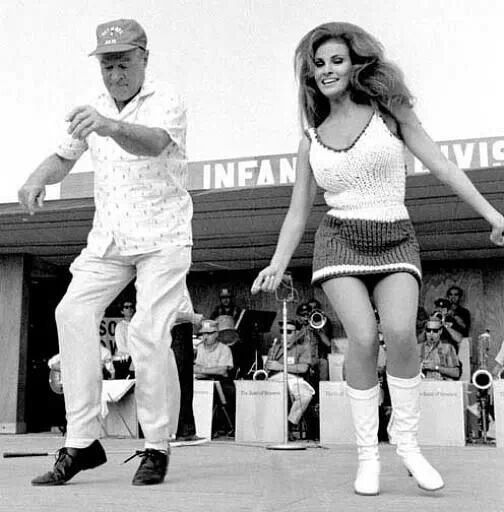
    Bob Hope and Raquel Welch at a U.S.O. show in Vietnam 1966
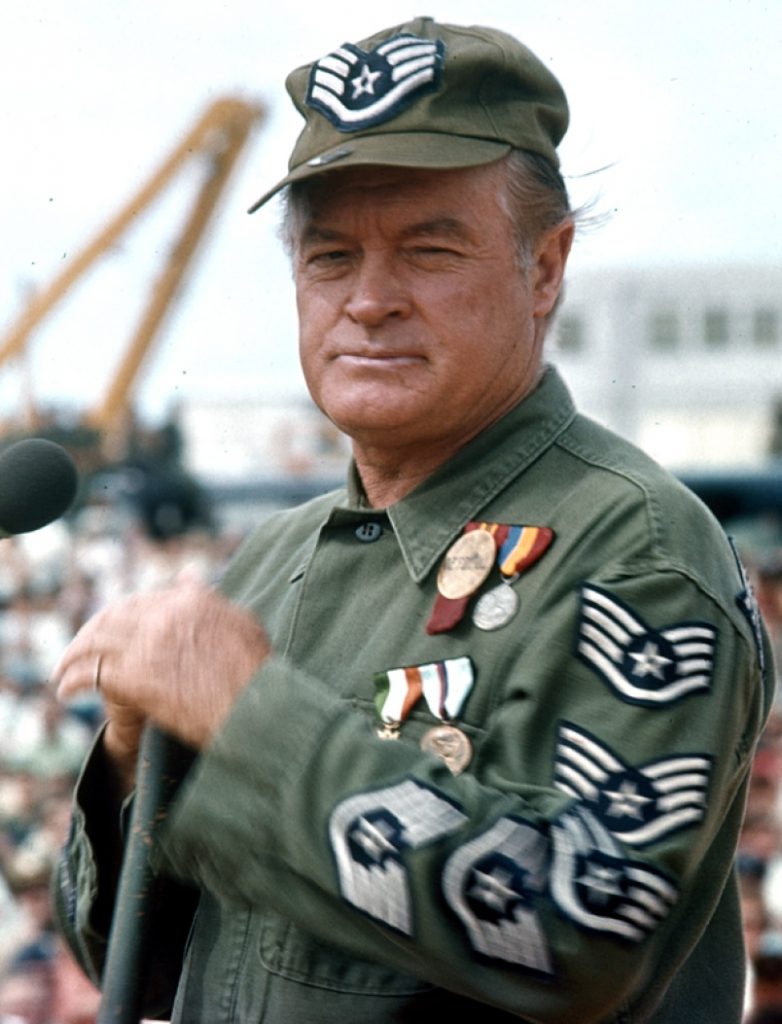
    Bob Hope in stripes at a U.S.O. show in Vietnam during the 1960’s
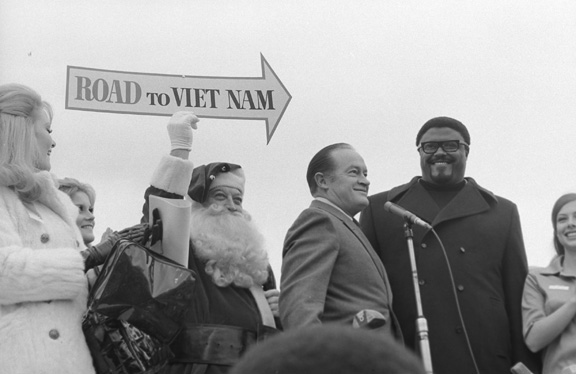
    Bob Hope and Rosey Greer at a U.S.O. show in Vietnam during the 1960’s
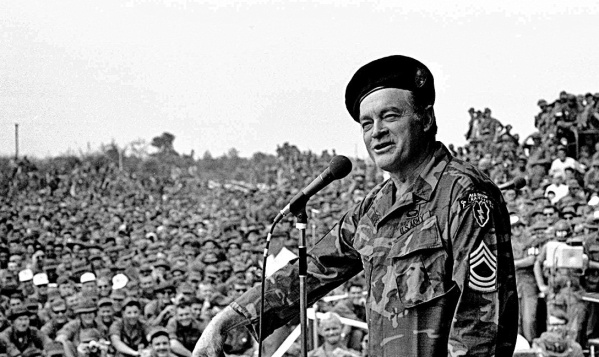
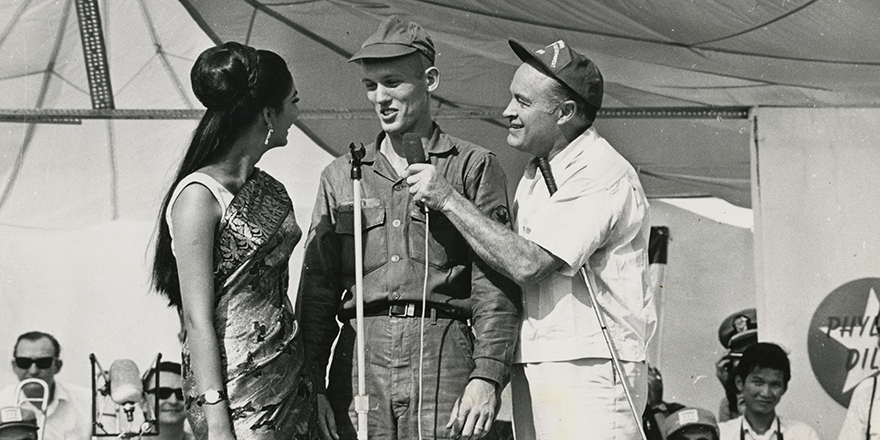
    Bob Hope entertains troops at a U.S.O. show in Vietnam, 1967
    Bob Hope stands on stage and smiles with Les Brown’s band, during a 1967 USO show to entertain American troops overseas during the conflict in Vietnam.
    My band Fat Sound Incorporated (FSI) in 1984 played many U.S.O. shows in Southern California 1984-1985
  • Recording, Tape, and First Recording Date (Originally posted on October 31, 2016)

    Recording, Tape, and First Recording Date (Originally posted on October 31, 2016)

      I was growing up during the early to middle 1960’s era of the exploding growth of consumer electronics, and as a result, I was exposed to a variety of media playback devices. But back then, they weren’t known collectively as media playback devices. Instead, the devices were called what they were in the minds of people; film projector, tape player, and TV set. My older sisters and brothers were trying out and using these new consumer playback devices, usually transistor radios and sometimes tape players. The devices would last for a short while, and then a new playback device would become available that they would begin to use.

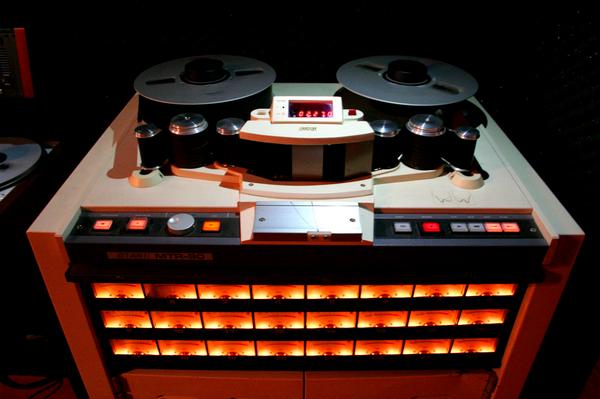
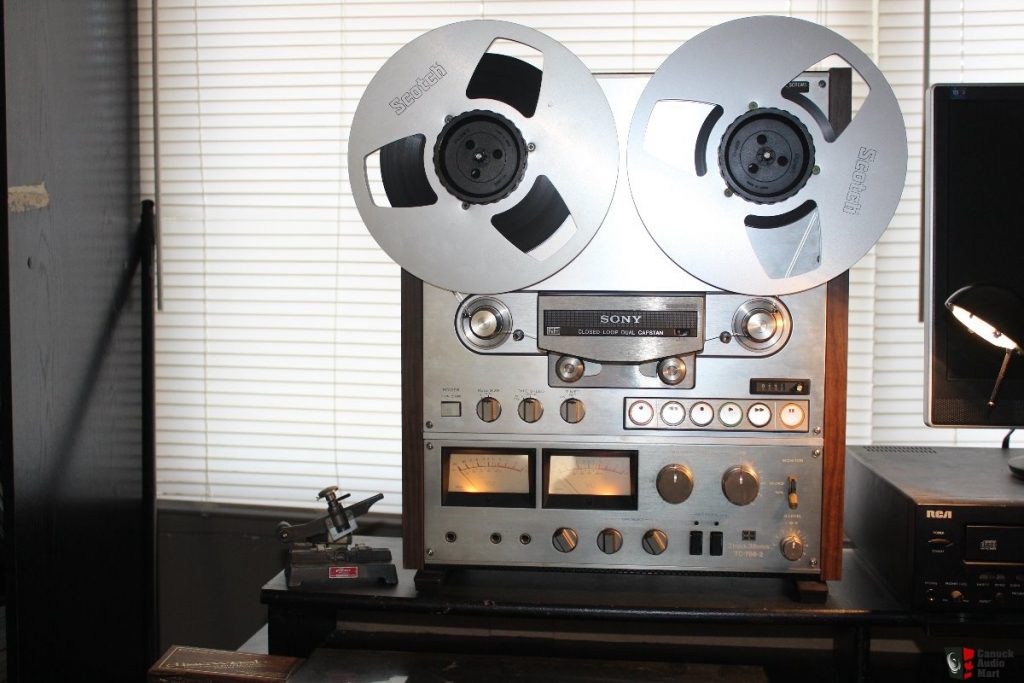
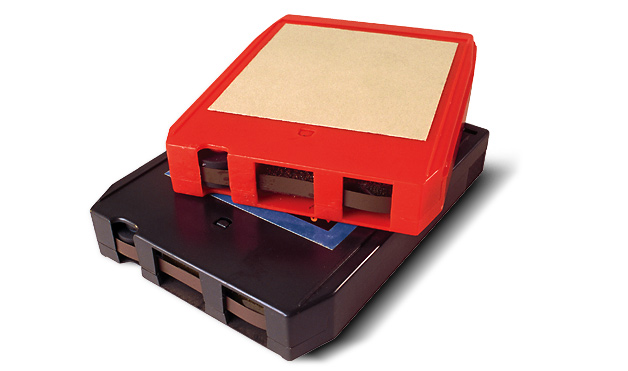
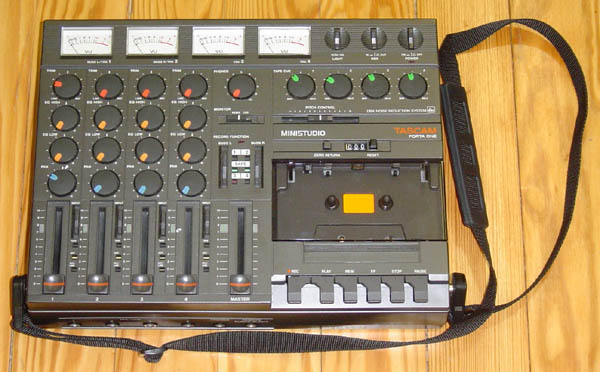
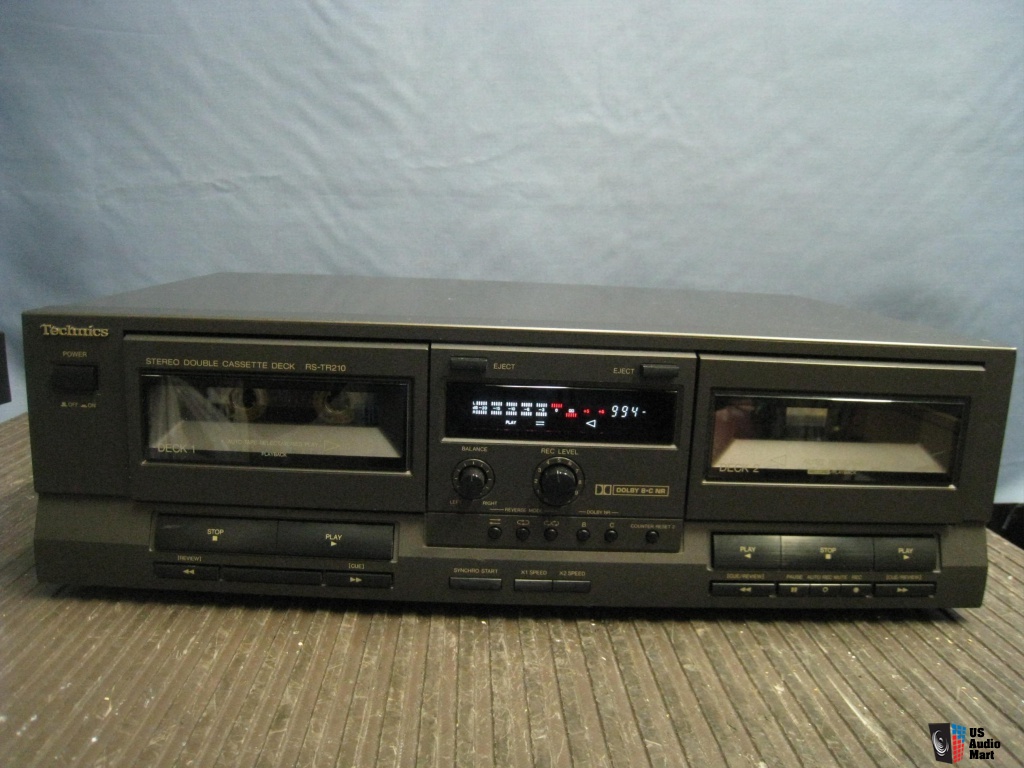
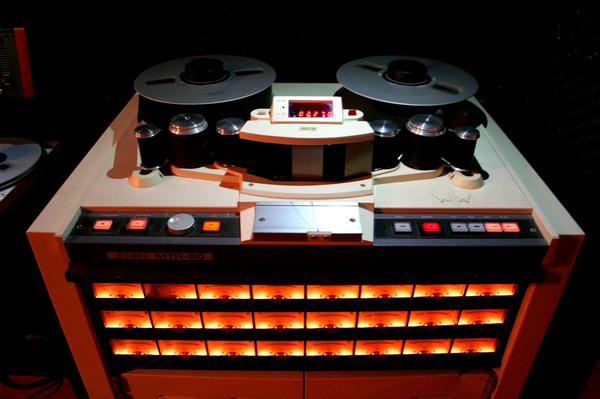
      As a result of being around friends and family members who were using these various playback devices, I began to pay more attention to what they were and how they worked. Portable and console radios were a marvel to me at a very young age, and they are still around today. But playback devices that included analog tape as a medium for playback of audio became something of a source of fascination to me. I mean a piece of tape moves inside of the device and I was hearing things. How does that work I wondered? And then, at the age of 14, I got involved in my first real recording session that changed my life in ways that stay with me to this day.

      My first real recording session involved a very nice woman who led the small choir at a local church in the town I grew up in on Long Island, New York. It was a home recording studio that a friend of hers had in their home. I was asked by this woman to play some bass guitar parts onto tape, using a tape-recording machine. The tape recorder was new to me, it was the year 1971 and I found myself feeling strangely excited to partake in such an endeavor. The choir leader then asked me to follow along with what I heard on the tape, to follow the rhythm parts that I heard and play my bass to those parts. We had been rehearsing the songs to be recorded beforehand, so I was not faced with learning new material on the spot at the recording date. But it was still my first official recording, and I did well with handling the excitement of hearing my bass guitar part played back to me for the first time. The tape recorder had a feature labeled on the front of it that was an acronym that read SOS, and I asked what that meant. The man who was operating the tape recorder said that the acronym meant “sound on sound”; he went on to say that we can hear what we are recording to tape while simultaneously listening to playback material previously recorded onto other tracks on the tape.

      While I had a bit of an idea of what all of that meant, I was bitten by the recording bug in a big way. The recording date turned out very well, the adults were pleased with what I had recorded, and I was pleased that they were. Having had my first recording session be a successful one, I began to wonder what a life in recording might be like. I heard records in a new way after that; as I played along with my bass to my favorite LPs at home, I would imagine myself being the bass player for that recording session. I felt a thrill about the potential of hearing my bass playing being played back for all to hear on a record or tape recording. And while I did not begin recording right away at the age of 14, I knew somehow that my opportunity to do so would emerge at some point. So, I really practiced for many hours on my first bass guitar to make sure that I would be ready when the time came.

      As my musical life expanded, I found myself recording with the various school orchestras in my school district and later on, around Long Island. As I remember, the first motion picture films that I saw with me in them were the films taken of the elementary school orchestra that I was in. After the filming session with the orchestra was done, the film editing time did not take very long. The elementary school would then hold an evening assembly some weeks later at the school auditorium that invited all of the parents of the students in the orchestra to attend and to watch the film. But my own musical recording life on the bass began after I had graduated from high school, after the thousands of hours of playing the bass and reading music. All of that practice turned out to be a good thing for my musical recording future.

      During my years in the service, while I was stationed in Japan in the late-1970’s I was part of some band recordings that were made by small Japanese production companies when the band played concerts; and separately by a band member who brought his own reel to reel tape recorder to the band’s regular gigs at the club on the installation we were all stationed at. Listening to those band recordings allowed me to hear what I truly sounded like to each audience, and so I continued crafting some ways towards getting a good live sound on the bass. I really liked listening to those recordings, and back in those days having cassette tapes were the way to go. They were relatively easy to carry around, and there were a couple of decent brands that featured 120-minute cassette tapes that were reliable for recording and playback.

      After returning to the States, I finally did my first true band recording in southern California in 1982. The band that I was leading was rehearsed and ready to go, or so we thought. What we realized in the studio was that our song parts were exposed when recording. All of the little things become big things while recording in the studio. We had done some ensemble recording to a stereo cassette deck at our rehearsal place with decent results. But the recording studio was different in how the recording process put everyone’s recorded part under a microscope so to speak. And in the end, we did well as a band during that recording session. The resulting cassette tape demos that I made did result in my band getting more gigs later on. I discovered that I was delivering a good tone to the 16 track, 1 inch tape machine used at that recording studio. And knowing how to get a great bass tone in every studio that I had the honor to be in after that became a serious goal of mine.

      After I made the move to the Los Angeles area in the mid-1980’s, I was amazed at the many excellent recording studios that I had the privilege to either visit or record in as a bass player. The largest studios in the city were vast indeed; some of them reminded me of walking in a cathedral or a lush and expansive house of worship. And there was a sense of reverence in those big posh studios, I mean the people inside often spoke in hushed tones as to not disturb the recordings taking place in its many recording rooms. They were a special place indeed to be in to record music. My recording abilities on the bass grew expansively during my years of living and recording in Los Angeles. I recorded many demos and some good records for artists while I lived there.

      And what playback medium did I record to during all those years? Analog tape, and every studio was using a multi-track recording machine to perform the tasks of recording and playing back all of the recorded material. I dug into the science of how the process worked, how analog tape was made, and much more. I recorded my own demos that I sent out to many music publishers in the early 1990’s using multi track cassette tape recorders. But just when I thought that analog tape was going to be the future medium for multi-track recording, along came digital hard disk recorders along with the computers that began to change the landscape of recording audio everywhere. And that migration over to the digital recording world began to represent an exciting new learning curve for me, one that I decided to take on. And the future did change in the recording world, and I will speak about that change with you as we go forward. In the meantime, do your best at each recording session, and have fun when you do. 

    A Sony TC-766 analog tape recorder
    8-track cassette tapes
    TASCAM 4-track cassette tape recorder
    Technics TR-210 stereo cassette recorder
    Otari MTR-90 2-inch 24 track analog tape machine