Lately, I have been thinking about my experiences with digital audio recording over the last thirty years. The early impact of digital devices in our everyday lives got my attention early on, and I wanted to learn more about not only how it all worked, but also if it could actually help me in my own life. I was to find out starting with the home telephone in the house I grew up in, because I experienced the world changing over from rotary telephones to the push button digital telephone that is common today. I remember our home receiving the new digital telephone from the phone company in the late 1960’s, around 1968 or 1969. It was a quiet but serious barometer of what was to come in our digital lives, and certainly my own.
I have involved myself with recording music from an early age, and in my early teens, I did a home recording session on analog tape for a local church, and from that point on I was hooked for life on the music audio recording process. I found myself in many recording sessions along the way throughout my music life, and I have been proud and honored to have played on many various live and studio recordings that were done on analog tape. I began to pay attention to the audio recording process early on as well, and I would ask questions about audio recording to the men and women I have met along the way to try to find some answers. It turns out that there are a few rules to follow when it comes to recording audio, but beyond that, the wide vistas of recording possibilities come into play.
At first, I emulated my recording engineer influencers, I tried to get sounds up quickly in the recording process like I saw them do. And I did well to start out, but there was a lot of room for improvement. And improve I did, as I learned how my bass sound was being recorded to analog tape in my recording days in Los Angeles during the 1980’s and 1990’s. I asked some great audio engineers what they were doing to get my bass to sound so well. I took their advice to heart; it meant a lot to me with what they said. And I learned some more.
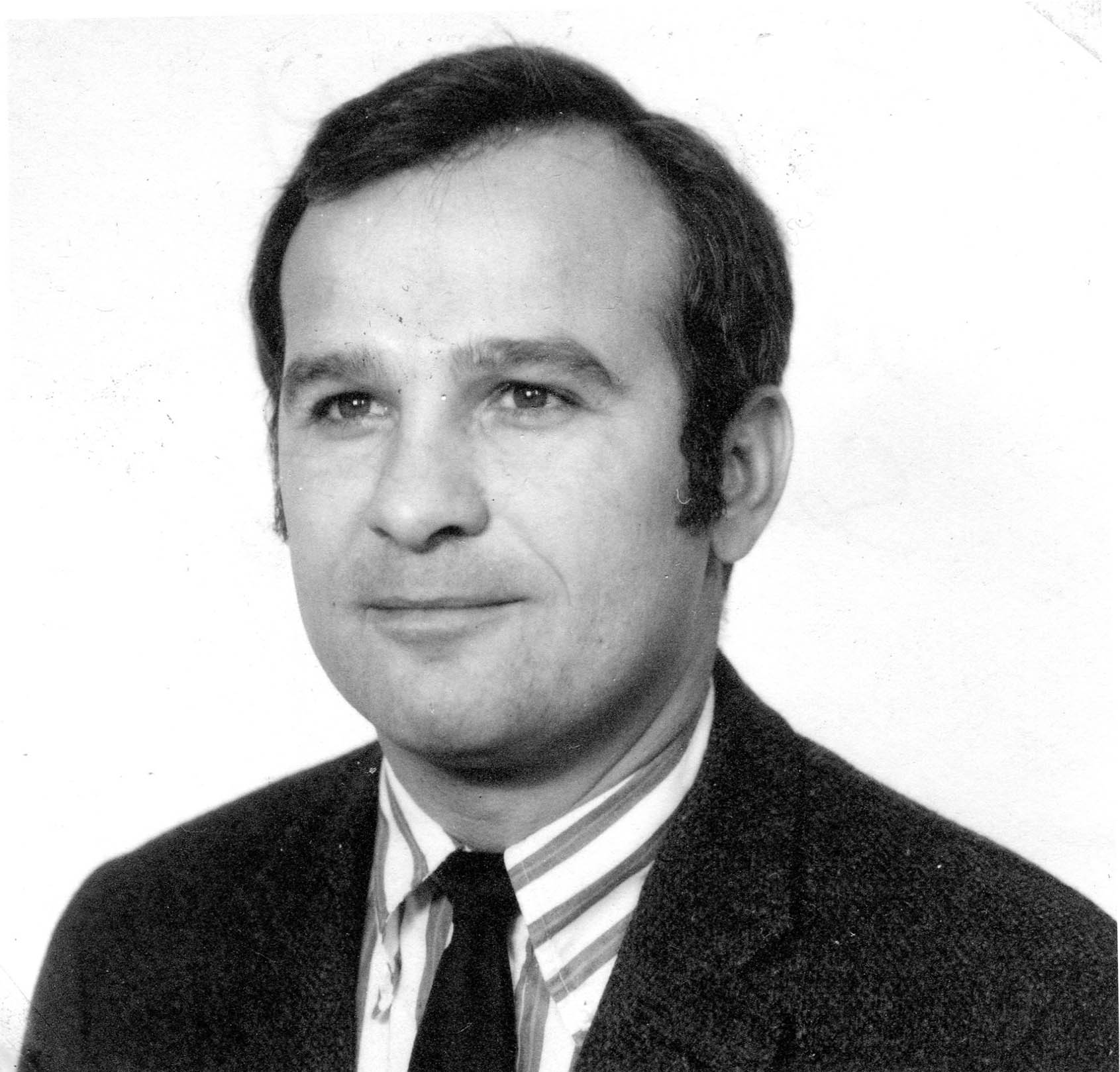
Back to the digital audio recording realm, I should first pay respects to a pioneer of digital audio recording, Dr. Thomas G. Stockham Jr. (1933-2004). Without Dr. Stockham’s design of the Soundstream digital audio recorder and it’s first digital audio recording at the Santa Fe Opera in 1976, I am sure that the path and introduction of digital audio recording to the world would have been different. From what I understand, Dr. Stockham built his 16-track digital audio recording machine to record at 50 kHz, as opposed to the audio CD sampling rate of 44.1 kHz. He used Honeywell instrumentation and built all of the playback hardware himself. A marvelous invention, the Soundstream digital audio recorder set the standard for the digital audio recording of the future to include to development of the Compact Disc (CD) and Digital Audio Tape (DAT).
In my own recording life, I worked with my first digital audio recorder and workstation, called the Synclavier, in Los Angeles in 1987. I had a job at a small audio postproduction room located within a larger movie studio facility called Lion’s Gate Films that was in west L.A. at the time. The owner of the Synclavier was kind enough to show me some of the fine points about the device, but the idea was for me to learn more about it on my own. So, he gave me a stack of manuals (yes, a stack!) to read and learn more about the inner workings of this revolutionary digital audio recorder. A learn I did, and I went into the science of what was taking place during the digital audio recording process. I learned things about digital audio recording that stay with me to this day from my experiences working with the Synclavier.
As the 1990’s came to a close, I found myself living in the Netherlands and working on some of what is considered the early operating systems of modern-day computing. My learning curve for the Windows 95 platform was a lot of fun, and I got to understand how the digital audio workstation software of the time worked within it. I wound up liking Steinberg’s Cubase; it was the digital audio recording software that I knew about back in the 1980’s. Back then, the graphics that ran in the computers of the late 1980’s only had a color resolution of 16 greys. But running Cubase in Windows 95, there were full color graphics. Back then, we had to link a multi-track tape machine to a computer using MIDI Machine Code (MMC) because we had to record all of the analog musical instruments directly to analog tape. There was no disk drive technology that was cheap enough for us to use that could store any audio on the computer’s own disk drive. The MIDI parts played back using Cubase in the computer with no problems, and the recorded parts from the analog tape were played back together with the synced computer and recorded onto a two track mixdown tape medium. But using a Windows 95 equipped computer, the recorded audio could now be stored on the computer’s own hard drive and played back on demand.
Having the capacity to be able to record and play back MIDI tracks and audio tracks simultaneously within the same computer was a great leap forward in the digital audio recording realm. I dove in, and the first thing that I did was read the provided manual for Steinberg Cubase. It was big manual, and yes, I know that a lot of people don’t like to read manuals, but I actually read them. In the late 1990’s, there was not a lot of social media, so reading and understanding the manuals that came with the software I used became pretty important to me. Imagine no YouTube help videos, or videos posted by the manufacturers of the software during those times. Instead, I became very good at finding answers to my questions through the many online forums that I visited in the late 1990’s, they were and are still a lifesaver for finding answers.
But the advent of digital audio recording within a single computer didn’t end there for me. Enter the new millennium, and the thoughts about computer use grew yet again. Living again in the U.S., I got a Windows XP Pro equipped computer, and I was successful in installing Steinberg Nuendo on it. Once again, I read the manual that came with the software for Nuendo. It is really big at 1,300 plus pages. But it was worth it to me to understand the gigantic capability that Nuendo has as a digital audio workstation. Working within Nuendo allowed me to do all manner of digital audio recording as a bass player and a singer. I am able to do the things that I learned when I was recording audio to analog tape. My workflow within Nuendo can easily follow the methods that I have used years earlier when I did analog recordings. It was a real joy for me to discover this, a new way to record the things I wanted to hear.
Once I had my digital audio recording methods going with some consistency, there was yet even more to consider in my digital audio recording life. The ability to connect computers over a large public accessed network known as the Internet revealed yet another vast and astonishing vista for digital audio recording. I learned that I was able to render several types of digital audio file extensions when using Steinberg Nuendo. I had done some recording at a good friend’s home when I was living in New York in 2003. After moving to Las Vegas in late 2003, I have since kept in touch with my friend in New York. He wanted to finish his record and have me play bass guitar on several more of his songs. I suggested that instead of flying long distances on planes to complete the record, that I record the bass guitar parts that he needed at my place in Las Vegas, and send him the recorded parts via the Internet.
It would be the first time that my friend had attempted to record in this way, but I reassured him that things would work out well. He agreed to try to record this way, over the Internet. I learned many things about sending digital audio tracks/parts when working on someone else’s recording project. In the mid 2000’s, the major computing operating systems on the open market differed in some stark ways. During those years, the digital playback audio protocols for the differing computer operating systems were not truly compatible and could cause some issues to arise. Very early on in our process, I had sent my friend in New York a couple of digitally recorded bass guitar parts, I thought that they were good. He called me shortly afterward and let me know that his computer could not playback the digital audio files that I’d sent him. As soon as he said that to me, I knew exactly what the issue was. I told my friend that I would call him back within an hour with a solution for us. I worked quickly in Nuendo and rendered the digital audio file extensions of my bass guitar tracks that I knew would work on my friend’s computer operating system.
I sent the newly rendered digital audio files of my bass guitar parts to my friend using the Internet and called him back about 45 minutes later. While on the phone with my friend in New York, I asked him to see if his computer could playback the digital audio files I’d just sent him. To his happy relief, they played back smoothly with no issues. He asked me what I did to make things work, and I told him about our differing computer operating systems and how they read digital audio. Rendering digital audio files for the recording project with my New York friend has since produced two full CD’s that are available to the public. We are proud of the work that we did together, and we have started this recording process yet again just recently for some new single songs he wants to record and release. It is great that we can collaborate musically in this way, using the Internet.
And no, digital audio recording did not stop there for me either. Since then, I have recorded bass guitar parts for several independent recording projects around the world. These days, there are not as many discrepancies between the differing computer operating systems when it comes to my rendering digital audio file extensions, and it results in fewer issues with the recording process. I am careful to know the bit depth that the person requesting bass parts from me is working in. Matching that person’s recording project bit depth is of great importance to me when sending digital audio files.
And these days and times find me recording digital audio in Steinberg Cubase 8 Pro using a Windows 10 equipped computer. I recently released a single song using Cubase 8 Pro, and I have also been working with this software to complete the voiceover auditions that I send to voiceover project clients. I find it absolutely amazing that we are able to complete recording projects this way as independent artists, using the Internet as a networking conduit between us.
Many years ago, I actually believed that I would record to analog tape for all of my days as a musician, as a bass guitar player. I was ready for analog tape recording to go forward as a leading audio recording medium well into the future. And analog tape recording is still with us to this day, providing the platform for recording artists that is still preferred over digital audio recording by many. I am thankful for the great lessons that I learned from the skilled men and women who worked as audio recording engineers during my earlier audio recording years, I learned so much about getting a good, recorded sound.
And I remember the wonderful legacy left for us all by Dr. Thomas G. Stockham Jr. and his pioneering work in digital audio recording technology. With all that we as independent recording artists have to be thankful for today, let us be thankful for Dr. Stockham’s work and research.
OK. Press record, and enjoy what you create…!
Leave a Reply